
Infrared heaters that run on 110–120V are popular for localized heat, safe wall-mounted solutions, therapy lamps, and patio comfort. Below is a concise comparison table of five relevant Amazon-listed 110V infrared heaters, followed by product-focused sections and a detailed buying guide to help you choose the right unit for your needs.
| Product | Type / Use | Notable Feature |
|---|---|---|
| KS Choi Corp Infrared Heat Lamp 110V | Heat lamp / therapy | Adjustable gooseneck, timer, covered lamp |
| Heat Storm HS-1500-PHX-WIFI Infrared Heater | Wall-mounted room heater | Wi‑Fi control, digital thermostat, remote |
| KS TDP Far Infrared Mineral Heat Lamp | Far-infrared therapy lamp | Mineral plate emitter, large 6.5″ head, no bulb |
| Dr Infrared Heater DR-238 Carbon Infrared Outdoor Heater | Indoor/outdoor space heater | 120V plug-in, IP55 for outdoor, remote control |
| Heat Storm Deluxe Space 1000 Watt Infrared Wall Mount | Wall-mounted indoor heater | Wall mount design, safe-touch grill, tip-over shutoff |
Content Navigation
- KS Choi Corp Infrared Heat Lamp 110V With Bulb
- Heat Storm HS-1500-PHX-WIFI Infrared Heater, Wifi Wall Mounted
- KS TDP Far Infrared Mineral Heat Lamp With 6.5 Inch Head
- Dr Infrared Heater DR-238 Carbon Infrared Outdoor Heater
- Heat Storm Deluxe Space 1000 Watt Infrared Wall Mount Electric Heater
- Buying Guide: How To Choose The Best 110V Infrared Heater
- 1. Intended Application
- 2. Power And Coverage
- 3. Emission Type: Near vs Far Infrared
- 4. Mounting And Placement
- 5. Safety Features
- 6. Controls And Smart Features
- 7. Installation And Electrical Compatibility
- 8. Maintenance And Lifespan
- 9. Noise And Odor Considerations
- 10. Comparative Perspective: Efficiency, Safety, And Use Case
KS Choi Corp Infrared Heat Lamp 110V With Bulb
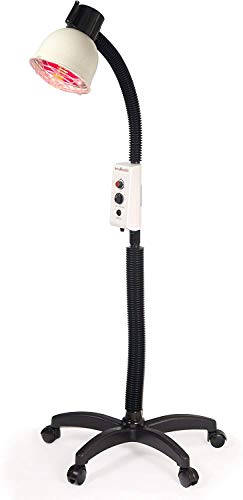
Type: Portable Infrared Heat Lamp. Power: 110V. This unit includes an adjustable heat control via a dial and a gooseneck and height adjustment for targeting a surface or person. The lamp head is covered for protection and it supports a clockwise timer up to 60 minutes.
Recommended placement guidance from the manufacturer: place the lamp or bulb closer than 18 inches to the treatment surface for optimal heat transfer. The lowest height is noted as 43 inches, which indicates usefulness for table- or stand-based applications. This model emphasizes adjustable localized heat and timer control suitable for short therapy sessions or spot warming in small spaces.
Heat Storm HS-1500-PHX-WIFI Infrared Heater, Wifi Wall Mounted

Type: Wall-mounted infrared panel heater. This model is marketed as a Wi‑Fi enabled unit allowing temperature control from a smartphone. It includes a touch screen, digital thermostat, and remote, and a space-saving design ideal for rooms where floor space is limited.
Call 888-896-7031 for Free Local HVAC Quotes – Compare and Save Today!
Safety features listed include a tip-over safety shut off and suitability for bedrooms, kitchens, offices, and similar spaces. For users prioritizing smart-home integration and centralized remote control, this unit delivers a combination of connectivity and thermostat-based temperature regulation in a wall-mounted form factor.
KS TDP Far Infrared Mineral Heat Lamp With 6.5 Inch Head

Type: TDP Far Infrared Mineral Heat Lamp. This lamp uses a mineral plate (6.5″ diameter) rather than a conventional bulb to emit far-infrared rays and is noted for FDA recognition as a far-infrared heating device. The unit uses coil heat and mineral plate technology with a listed life span for the plate of up to 1,500 hours.
Manufacturer information highlights that the device produces infrared penetration without requiring high surface temperatures, which is relevant for therapy and recovery applications. The design is aimed at users seeking a therapeutic far-infrared emitter with a larger emission surface for even coverage and penetration through skin layers.
Dr Infrared Heater DR-238 Carbon Infrared Outdoor Heater
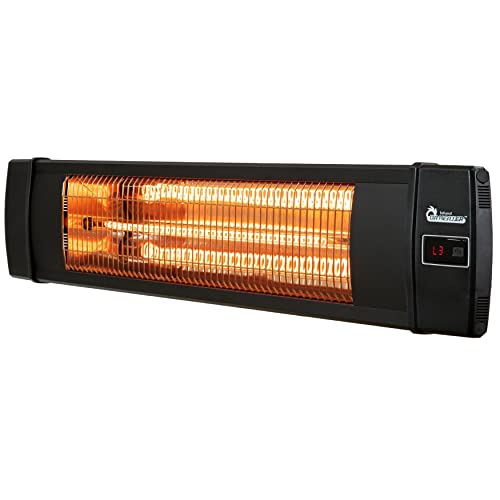
Type: Carbon infrared space heater for indoor and outdoor use. This model accepts standard 120V power and is advertised with an IP55 rating, making it suitable for covered patios, garages, and restaurant patios. It provides clean, instant, odorless infrared heat.
Call 888-896-7031 for Free Local HVAC Quotes – Compare and Save Today!
The unit offers multiple power settings (900W, 1200W, 1500W listed for the series) and a plug-and-play design with remote control. For applications where weather resistance and a stronger output for outdoor zones are important, this heater positions itself as a rugged, remote-operated, plug-in infrared solution.
Heat Storm Deluxe Space 1000 Watt Infrared Wall Mount Electric Heater

Type: Wall-mounted infrared space heater for indoor rooms. The design emphasizes warming objects instead of just air, which can help maintain ambient comfort after the unit cycles off. The unit features a safe-touch grill and automatic shutoff for tip-over events for added safety in homes.
Described as a modern, space-saving design ideal for bathrooms, bedrooms, kitchens, and offices, this model focuses on compact wall installation and delivering consistent infrared heat for smaller to medium-sized rooms. Built-in safety features are emphasized for household use.
Buying Guide: How To Choose The Best 110V Infrared Heater
Choosing the right 110V infrared heater depends on intended use, installation preference, safety needs, and efficiency priorities. Below are the main considerations with comparative perspectives to help match a product to a use case.
1. Intended Application
- Therapy & Treatment: Look for far-infrared lamps or TDP mineral plates (e.g., KS TDP, KS Choi). These provide targeted, penetrating heat and often have adjustable heads for positioning.
- Room Heating: Wall-mounted panels (Heat Storm models, Heat Storm Deluxe) are optimized to warm objects and occupants without taking floor space.
- Outdoor/Patio Use: Select IP-rated units designed for damp conditions and higher output (Dr Infrared DR-238 is IP55 rated for covered outdoor zones).
2. Power And Coverage
110–120V units vary in wattage and effective coverage. Higher wattage typically translates to more output but check manufacturer claims for coverage area. For small rooms or personal warming, 1000–1500 watts on 120V is common. Therapy lamps emphasize localized intensity rather than room coverage.
3. Emission Type: Near vs Far Infrared
- Near Infrared (lamp bulbs): Provide surface warming and are good for spot heat and some therapy lamps.
- Far Infrared (mineral plates, carbon elements): Penetrate deeper into tissue and are preferred for therapeutic applications and energy-efficient object heating.
4. Mounting And Placement
Wall-mounted vs floor or stand units affect installation. Wall-mounted heaters save floor space and can provide even room heating. Therapy lamps with goosenecks or stands provide targeted control. Confirm clearance requirements, minimum placement distances, and recommended mounting heights.
5. Safety Features
- Auto Shutoff And Tip-Over Protection: Important for household units and units used near flammable materials or around children.
- Safe-Touch Grills: Reduce burn risk on contact; important in homes.
- Weatherproof Ratings: For outdoor use, check IP ratings (e.g., IP55) and manufacturer guidance for covered vs open use.
6. Controls And Smart Features
Digital thermostats, remote controls, and Wi‑Fi enable convenience and precise temperature control. Consider whether smartphone integration is desirable for scheduling, geofencing, or multi-room control. Also note whether units include a built-in thermostat or require external temperature regulation.
7. Installation And Electrical Compatibility
Confirm voltage compatibility (110–120V in the US). Some heavy-duty infrared heaters are 220–240V and not compatible without an appropriate circuit. For sauna or replacement heating elements (like some infrared tubes), ensure you have the right controller and wiring and recognize that some products do not include plugs or controllers and require electrician installation.
8. Maintenance And Lifespan
Check emitter lifespan: mineral plates and carbon elements have rated lifespans. Bulb-based units require bulb replacements over time. Consider ease of replacing parts and availability of compatible bulbs or plates when evaluating long-term ownership costs and maintenance effort.
9. Noise And Odor Considerations
Infrared heaters are often quieter than forced-air heaters and many advertise odorless operation. For enclosed spaces and therapy uses, prioritize models that list clean, odor-free heating and minimal noise specifications.
10. Comparative Perspective: Efficiency, Safety, And Use Case
- Efficiency: Far-infrared carbon or mineral plate units often deliver effective perceived warmth with lower air temperature adjustments, potentially saving energy in spot-heating scenarios.
- Safety: Wall-mounted units with grills and auto-shutoff better suit family environments. Therapy lamps with exposed heating surfaces require distance guidance and controlled use.
- Use Case: Choose therapy lamps for targeted heat. Select wall-mounted panels for room comfort and plug-in IP-rated units for sheltered outdoor areas.
When selecting among 110V infrared options, match the heating technology to the objective—targeted therapy, room comfort, or outdoor spot heating—and verify safety features, mounting requirements, and electrical compatibility before purchase.
Tips for Getting the Best HVAC Prices
- Prioritize Quality Over Cost
The most critical factor in any HVAC project is the quality of the installation. Don’t compromise on contractor expertise just to save money. - Check for Rebates
Always research current rebates and incentives — they can significantly reduce your overall cost. - Compare Multiple Quotes
Request at least three estimates before making your choice. You can click here to get three free quotes from local professionals. These quotes include available rebates and tax credits and automatically exclude unqualified contractors. - Negotiate Smartly
Once you've chosen a contractor, use the proven strategies from our guide — How Homeowners Can Negotiate with HVAC Dealers — to get the best possible final price.