
Choosing the right heater for a shop or garage depends on voltage compatibility, installation, and heating capacity. Below is a quick comparison of selected heaters that work with 110V/120V power or are common alternatives for workshop heating needs.
| Product | Type | Voltage | Key Feature |
|---|---|---|---|
| LF Bros 110V/12/24V 5KW Diesel Heater | All-in-one Diesel | 110V / 12V / 24V | Includes 110V transformer; remote & LCD |
| LF Bros 110V/12V 5KW All-in-1 Diesel Heater | All-in-one Diesel | 110V / 12V | Plateau mode, LCD controller, remote |
| Dura Heat EUH1465 Electric Forced Air Heater | Electric Portable | 120V (plug-in) | 1500W PTC ceramic, pivoting base |
| TEMPWARE Electric Garage Heater 7500W | Hardwired Ceiling | 240V (hardwired) | Digital thermostat, ECO mode, timer |
| CTSC 10000W Electric Garage Heater | Hardwired Wall/Ceiling | 240V (hardwired) | Voltage display, ETL listed, remote |
Content Navigation
LF Bros 110V/12/24V 5KW Diesel Heater

This all-in-one diesel heater delivers 4700–17000 BTU and supports 110V via the included transformer as well as 12V and 24V inputs. The unit claims fuel consumption between 0.18–0.53 L/h and operation in extreme temperatures (-40°F to 104°F). The package includes an LCD controller and a pre-paired remote control with a 100 ft range for convenient operation.
Key features listed: exclusive 5kW diesel design, multi-voltage support including a 110V transformer, LCD display, remote control, easy installation with instruction materials and QR-code tutorial. Suitable for shops, garages, campers, and basements where a plug-in diesel solution is preferred over hardwired electric heating.
LF Bros 110V/12V 5KW All-in-1 Diesel Heater

Designed for high-altitude and cold environments, this model includes a plateau mode tested at up to 17,000 feet. The kit supports 110V input via a transformer and 12V vehicle-style operation. Controls include a T4 LCD controller, timer, and a remote control pre-paired for immediate use.
Call 888-896-7031 for Free Local HVAC Quotes – Compare and Save Today!
Listed features emphasize alpine capability, aviation-grade plug and antifreeze power cord for cold starts, ease of set-up with detailed manuals and QR tutorial, and multi-use placement in RVs, garages, and workshops. This option is relevant when a plug-in diesel heater is desired for spaces without 240V service.
Dura Heat EUH1465 Electric Forced Air Heater
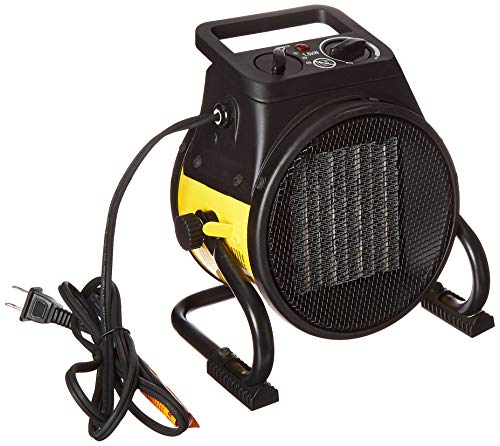
This portable electric forced-air heater provides 1500W of PTC ceramic heat from a 120V plug, making it a straightforward option for standard US outlets in small shops and garages. The pivoting base allows directional heat while the durable steel housing suits workshop environments.
Features highlighted: quick PTC heating for rapid warm-up, rugged steel construction, and selectable heat/fan-only modes. Because it plugs into conventional outlets, this unit is practical for temporary or supplemental heating where 240V hardwired systems are not available.
TEMPWARE Electric Garage Heater 7500-Watt
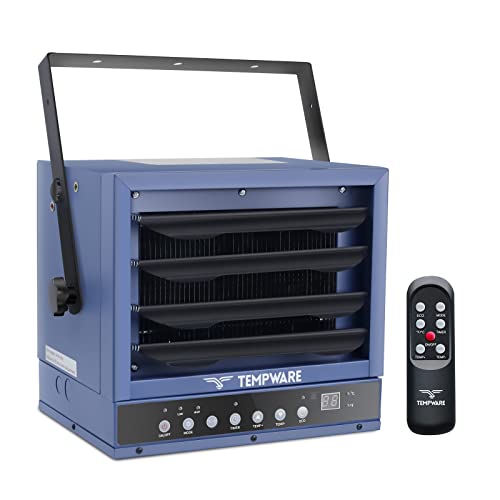
This ceiling-mount heater is a hardwired 240V solution designed for larger garages and workshops. It offers two heat settings with up to 7,500W output, adjustable louvers, and a full-function remote. Additional controls include ECO mode, a timer (1–12 hours), and an integrated thermostat for temperature regulation.
Call 888-896-7031 for Free Local HVAC Quotes – Compare and Save Today!
Listed features focus on targeted airflow with adjustable mounting angle, smart ECO temperature control to save energy, and built-in overheat protection. This type is suitable for shops with dedicated 240V circuits where higher sustained heat output is needed compared to 110V plug-in units.
CTSC 10000W Electric Garage Heater

This 10,000W hardwired heater is built for commercial-sized workshops and requires 240V service. Notable for its voltage display to help troubleshoot installation issues, the unit is ETL listed and includes a digital thermostat, remote control, timer, and multiple heat settings for flexible operation.
Core features include sturdy SPCC cold-rolled steel construction, overheating protection, remote and touch-panel control, and an intuitive voltage readout to confirm correct supply. It’s suited to spaces that need high heat output and have appropriate electrical infrastructure and professional installation.
Buying Guide: Choosing The Right Shop Heater
Selecting a heater for your shop requires assessing voltage availability, heat output, installation, safety, and intended use. Below are the key considerations.
Voltage And Electrical Supply
- 110V/120V Plug-In Convenience: Ideal for quick, portable solutions without new wiring. Typical outputs are 1,000–2,000W for portable electric units or specialized diesel units that include a 110V transformer.
- 240V Hardwired Power: Necessary for high-output ceiling or wall units (5,000W and up). Requires a dedicated circuit and professional installation.
Heating Capacity And Coverage
- Match BTU or watt rating to the shop size and insulation level. Higher wattage or BTU provides faster and more even heating for larger, poorly insulated spaces.
- Portable 1500W units work for small areas or spot heating; 5,000W–10,000W units are better for whole-garage heating.
Type Of Heater
- Electric Forced-Air: Fast warm-up, simple controls; may be portable or hardwired. Requires proper circuit capacity for larger models.
- Ceiling/Wall-Mounted: Saves floor space and distributes heat broadly; often hardwired and suited to larger shops.
- Diesel All-In-One: Provides high heat without 240V electrical service; requires fuel, ventilation considerations, and safe mounting.
Installation And Maintenance
- Hardwired units usually require a licensed electrician; check required breaker size and outlet type before purchase.
- Diesel heaters need secure mounting, fuel connections, and occasional maintenance of fuel lines and burners.
- Portable plug-in units are simplest but usually lower capacity; ensure outlet and extension cord (if used) are rated for the load.
Safety Features
- Look for ETL or UL listings for electrical safety certification.
- Overheat protection, thermal cut-off switches, and tip-over protection (where applicable) reduce fire risk.
- For combustion heaters, ensure proper ventilation and follow local codes for indoor fuel-burning appliances.
Controls And Convenience
- Digital thermostats, timers, remote controls, and ECO modes improve usability and energy efficiency.
- Voltage displays or diagnostic indicators help during setup and troubleshooting for hardwired units.
Comparison Perspectives
- Cost To Install: Plug-in 110V units require minimal installation; 240V hardwired units have higher installation cost but greater output.
- Operating Cost: Electric heaters have predictable electrical consumption; diesel units consume fuel and may be more cost-effective in areas with expensive electricity.
- Portability: Diesel and portable electric units offer mobility; ceiling-mounted and hardwired models are stationary but distribute heat more effectively.
Use the criteria above to decide whether a 110V plug-in solution (convenient and low-installation) or a 240V hardwired setup (higher capacity and professional install) best fits your shop heating needs.
Tips for Getting the Best HVAC Prices
- Prioritize Quality Over Cost
The most critical factor in any HVAC project is the quality of the installation. Don’t compromise on contractor expertise just to save money. - Check for Rebates
Always research current rebates and incentives — they can significantly reduce your overall cost. - Compare Multiple Quotes
Request at least three estimates before making your choice. You can click here to get three free quotes from local professionals. These quotes include available rebates and tax credits and automatically exclude unqualified contractors. - Negotiate Smartly
Once you've chosen a contractor, use the proven strategies from our guide — How Homeowners Can Negotiate with HVAC Dealers — to get the best possible final price.