
Cartridge heaters rated for 120V are common in immersion heating, lab equipment, and industrial replacements. This guide compares five widely used DERNORD cartridge heaters across wattage, thread size, and tube length to help you match a heater to your application. Below is a quick comparison table of the selected models for easy scanning.
| Product | Voltage | Power | Thread/Tube |
|---|---|---|---|
| DERNORD Immersion Cartridge Heater 3/4 Inch Thread | 120V | 1500W | 3/4″ Thread, 200mm Tube |
| DERNORD Immersion Cartridge Heater 1/2 Inch Thread 1000W | 120V | 1000W | 1/2″ Thread, 200mm Tube |
| DERNORD Cartridge Heater 120V 750W | 120V | 750W | 1/2″ Thread, 305mm Tube |
| DERNORD Immersion Cartridge Heater 1/2 Inch Thread 500W | 120V | 500W | 1/2″ Thread, 152mm Tube |
| DERNORD 120V 250W Cartridge Heater | 120V | 250W | 8mm Dia Tube, 320mm Wire |
Content Navigation
- DERNORD Immersion Cartridge Heater 120V 1500W Hot Rod
- DERNORD Immersion Cartridge Heater 120V 1000W 1/2 Inch Thread
- DERNORD Cartridge Heater 120V 750W Hot Rod
- DERNORD Immersion Cartridge Heater 120V 500W 1/2 Inch Thread
- DERNORD 120V 250W Cartridge Heater Stainless Steel
- Buying Guide For 120V Cartridge Heaters
DERNORD Immersion Cartridge Heater 120V 1500W Hot Rod

This DERNORD model is rated at 120V and 1500W, designed for high heat output in immersion or replacement applications. The heater features a 3/4 inch thread and a 200mm (7.9 inch) tube length, which suits larger flanges or ported tanks where a robust heating element is required. The construction is a typical cartridge-style hot rod intended to deliver rapid thermal response when properly installed with adequate insertion length and heat transfer medium.
Key features: 120V 1500W, 3/4 inch thread, 200mm tube. Considerations: ensure your power supply and controllers are rated for the element’s wattage and that the mounting thread matches the vessel or flange you intend to use.
DERNORD Immersion Cartridge Heater 120V 1000W 1/2 Inch Thread
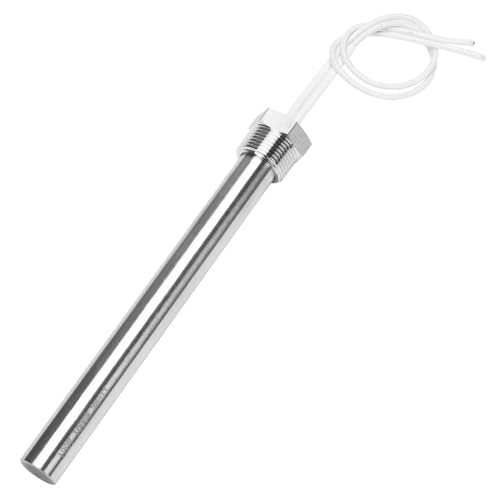
This cartridge heater provides 1000W at 120V with a 1/2 inch thread and a 200mm tube length. The 1/2″ thread is common for laboratory immersion fittings and many industrial tanks, balancing a compact footprint with a substantial heating capacity. The 200mm insertion depth gives moderate contact area for effective heat transfer when inserted into a bushing or manifold.
Call 888-896-7031 for Free Local HVAC Quotes – Compare and Save Today!
Key features: 120V 1000W, 1/2 inch thread, 200mm tube. Applications: suitable for medium-to-high heat demand in equipment where a 1/2″ threaded heater is specified.
DERNORD Cartridge Heater 120V 750W Hot Rod
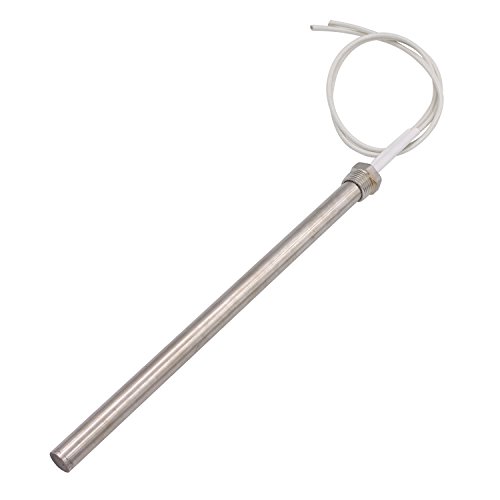
The 750W DERNORD cartridge heater runs at 120V and features a 1/2 inch thread with a longer 305mm tube length. The increased length provides extended immersion depth and a larger heated surface area, useful for tanks or sleeves that require distributed heating over a longer section. The tube diameter listed at 15.8mm indicates a larger cross-section geared toward higher watt densities distributed across the element.
Key features: 120V 750W, 1/2 inch thread, 305mm tube, 15.8mm diameter. Installation notes: confirm insertion depth and thermal coupling to the process media to avoid hot spots and optimize element life.
DERNORD Immersion Cartridge Heater 120V 500W 1/2 Inch Thread

This model is a 120V 500W cartridge heater with a 1/2 inch thread and 152mm (5.99 inch) tube length. It represents a mid-range wattage suited for moderate heating requirements where smaller power draw is desired. The 1/2″ thread maintains compatibility with common immersion fittings while keeping the element compact.
Call 888-896-7031 for Free Local HVAC Quotes – Compare and Save Today!
Key features: 120V 500W, 1/2 inch thread, 152mm tube. Use cases include smaller tanks, sample heating, or equipment where tapering heat output reduces stress on control systems.
DERNORD 120V 250W Cartridge Heater Stainless Steel
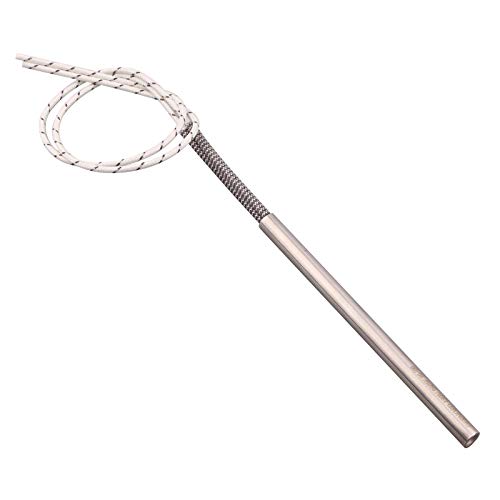
The 250W DERNORD cartridge is rated at 120V with a tube diameter of 8mm (0.32 inch) and an approximate wire length of 320mm (12.6 inch). Lower wattage and smaller diameter make it suitable for limited-space applications, precision heating, or retrofits where minimal power and a narrow element are required.
Key features: 120V 250W, 8mm tube diameter, 320mm wire length. Best suited for delicate or lower-thermal-mass systems where overdriving larger elements would risk damage or excessive overshoot.
Buying Guide For 120V Cartridge Heaters
Selecting the right cartridge heater requires matching electrical, mechanical, and thermal parameters to your system. The following considerations help ensure compatibility and reliable performance.
Voltage And Power Rating
Verify the heater voltage matches your supply (120V in this guide). Choose the wattage based on required heat-up rate and steady-state temperature. Higher wattage yields faster heating but demands proper thermal coupling and control to avoid overheating.
Thread Size And Mounting
Threaded heaters (1/2″ vs 3/4″) fit specific ports or bushings. Confirm the thread diameter and pitch of your tank or flange. Non-threaded cartridge heaters must be secured in tight-fitting holes or clamped sleeves for proper heat transfer.
Tube Length And Insertion Depth
Match tube length to the immersion depth for adequate surface contact. A longer tube distributes heat over a greater area and reduces watt density per unit length. Insufficient insertion exposes the element and can cause rapid failure.
Tube Diameter And Watt Density
Smaller diameters concentrate heat (higher watt density) and heat faster but are more sensitive to overheating. Larger diameters lower watt density, improving durability in continuous or higher-temperature duty cycles.
Material And Construction
Stainless steel tubes are common for corrosion resistance and strength. Check for insulation quality, lead type, and sealing method, especially in immersion applications where moisture ingress must be prevented.
Thermal Contact And Mounting Fit
Ensure good thermal contact—tight insertion or proper set screws/adapters improve heat transfer. Use thermal paste or appropriate compression fittings when recommended to reduce contact resistance.
Control And Safety Devices
Pair cartridge heaters with a suitable controller, thermostat, or SSR. Consider thermal fuses, overtemperature cutoffs, and proper wiring gauge to match current draw. High-wattage units may require dedicated circuits and protective devices.
Application Environment
Consider fluids (corrosive, viscous), pressure, and mechanical shocks. Threaded immersion heaters are common for liquids; ensure seals and gaskets are compatible with the media and pressure conditions.
Comparison Perspectives
- Power vs. Size: Higher wattage like 1500W provides faster heating but needs larger mounting and better cooling control.
- Threaded vs. Non-threaded: Threaded elements simplify mounting and sealing; non-threaded require snug boreholes or brackets.
- Length vs. Distribution: Longer tubes distribute heat over a larger area and reduce localized thermal stress.
- Diameter vs. Durability: Larger diameters typically support longer life in continuous-duty applications.
Installation Tips
- Confirm electrical wiring meets local code and capacity for rated current.
- Secure the heater per manufacturer recommendations; use thread sealant or gaskets on threaded units as required.
- Allow adequate clearance for lead wires and avoid bending at the seal.
- Test with controlled ramp rates to validate thermal response before full production use.
Maintenance And Replacement
Monitor heater performance over time: longer warm-up, hot spots, or insulation breakdown indicate wear. Replace with identical thread, length, and wattage specifications to maintain system balance and safety.
Tips for Getting the Best HVAC Prices
- Prioritize Quality Over Cost
The most critical factor in any HVAC project is the quality of the installation. Don’t compromise on contractor expertise just to save money. - Check for Rebates
Always research current rebates and incentives — they can significantly reduce your overall cost. - Compare Multiple Quotes
Request at least three estimates before making your choice. You can click here to get three free quotes from local professionals. These quotes include available rebates and tax credits and automatically exclude unqualified contractors. - Negotiate Smartly
Once you've chosen a contractor, use the proven strategies from our guide — How Homeowners Can Negotiate with HVAC Dealers — to get the best possible final price.