
Finding the right 120V plug-in garage heater means balancing portability, output, safety, and installation. Below is a concise comparison of five relevant electric heaters available on Amazon, followed by focused product summaries and a practical buying guide to help you choose the right heater for your garage, workshop, or covered outdoor space.
| Product | Type | Voltage | Best for |
|---|---|---|---|
| NewAir NGH160GA00 | Portable Ceramic Fan Heater | 120V | Small garages, portability |
| DR Infrared DR-238 | Carbon Infrared Patio/Garage Heater | 120V | Indoor/outdoor covered spaces |
| ENVI Plug-in Electric Panel | Wall-Mounted Panel Heater | 120V | Quiet, continuous background heat |
| Heat Storm HS-1500-PHX-WIFI | Infrared Wall Heater (Wi-Fi) | 120V | Smart control, targeted wall mounting |
| Barphygo 4800-Watt Electric Garage Heater | Fan-Forced Ceiling Heater | 240V (Hardwired) | Large garages (included for comparison) |
Content Navigation
NewAir NGH160GA00 Portable Garage Heater

Type: 120V portable ceramic garage heater. The NewAir unit is designed for plug-and-go convenience in small workshop areas and attached garages.
Key features include a cool-to-the-touch body, internal thermostat, and automatic shut-off for overheating protection. It offers two heat modes, a tilting head for directional warmth, and a carry handle for mobility. A ceramic heating plate paired with a 200 CFM fan provides rapid heat delivery suited to spaces up to about 160 square feet, per manufacturer guidance.
This model emphasizes safety and portability, with simple temperature control and a design intended to prevent surface burns. Ideal when you need temporary, localized heating without hard-wiring.
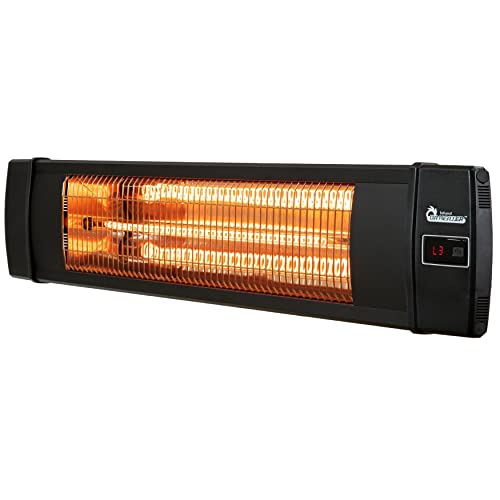
Dr Infrared Heater DR-238 Carbon Infrared Heater
Call 888-896-7031 for Free Local HVAC Quotes – Compare and Save Today!
Type: 120V infrared heater rated for both indoor and outdoor covered use. This carbon infrared model is designed to warm people and objects directly rather than heating air only.
Features include IP55 protection for use in covered outdoor spaces, three power settings (900W, 1200W, 1500W), and a plug-and-go design with remote control. Infrared heat is noted for being clean and instant, producing minimal odor and avoiding forced-air circulation that stirs dust.
This heater is useful for partially open garages, patios, and work areas where targeted, immediate warmth is preferred and where weather protection is needed. It runs on a standard 120V outlet and offers multiple power levels for flexible output.
ENVI Plug-In Electric Panel Wall Heater
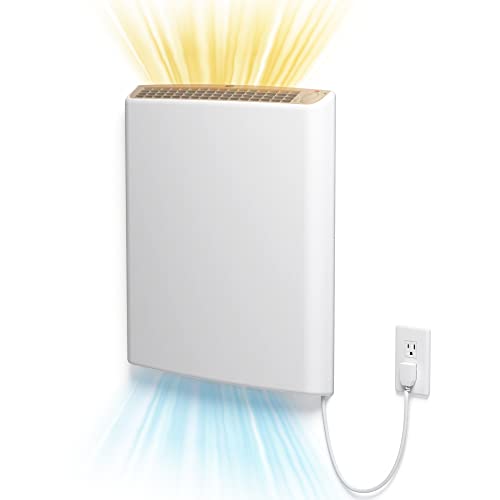
Type: 120V plug-in wall panel heater with fan-less convection design. Intended for energy-efficient, quiet continuous heating in small zones.
Notable features are a patented fan-less “Stack Convection” design that provides silent warmth, a wall-sense safety sensor that cuts power if removed, and operation around 90°F surface temperature. The panel is designed to prevent blown dust and allergens and can run 24/7 as a supplement to central heat.
Call 888-896-7031 for Free Local HVAC Quotes – Compare and Save Today!
This heater is best where noise, air movement, or allergen redistribution is a concern, such as workshops converted to living spaces or attached garages used as offices. It offers a low-profile, space-saving installation that plugs into standard 120V wiring.
Heat Storm HS-1500-PHX-WIFI Infrared Wall Heater

Type: 120V infrared wall-mounted heater with Wi-Fi control. Designed for targeted wall heating and smart temperature management.
Features include Wi-Fi capability for remote temperature control via smartphone, a touchscreen with digital thermostat, included remote, tip-over safety shutoff (for certain installations), and a slim wall-mounted form that saves floor space. Infrared heating warms objects and occupants directly and can be effective for zone control.
This model is relevant when smart control and scheduled operation are priorities, and when mounting on the wall is preferred over portable units. It’s suited to garages converted into offices, studios, or hobby spaces where connectivity and precision matter.
Barphygo Electric Garage Heater 4800-Watt Ceiling Heater

Type: High-output fan-forced ceiling heater listed as 240V hard-wired. Included here for comparison to illustrate differences between plug-in 120V options and higher-output hardwired solutions.
Highlighted features include a high-efficiency 4800W element with up to 16,382 BTU for larger garages (manufacturer-stated coverage up to 400 sq ft), ETL listing, built-in thermostat, overheat protection, and heavy-duty steel construction. This model is designed for permanent ceiling or wall mounting.
While this unit requires 240V hard-wiring rather than 120V plug-in convenience, it demonstrates the higher capacity and installation trade-offs compared to plug-in 120V heaters when heating larger or poorly insulated garages.
Buying Guide: Choosing A 120V Plug-In Garage Heater
Selecting the right 120V plug-in heater depends on intended use, space size, mounting preference, and safety considerations. Below are the essential factors to weigh.
Heat Output And Coverage
- Wattage and BTU: 120V plug-in units typically range from about 750W to 1500W. Higher wattage equals more heat but still limited compared to 240V hard-wired heaters.
- Space Size: Portable 120V heaters are best for small garages or spot heating. For larger garages or poorly insulated spaces, expect to use multiple units or consider a 240V hard-wired solution.
Heating Method
- Ceramic Fan-Forced: Fast air circulation, quick to warm a small zone. May circulate dust and noise from the fan.
- Infrared/Carbon: Heats objects and people directly for efficient perceived warmth, less ambient air heating, and minimal air circulation.
- Convection Panels: Silent and continuous heat with little air movement; slower to warm but good for background heating.
Installation And Portability
- Plug-In Convenience: 120V plug-and-play units require no hard-wiring, making them portable and easy to reposition.
- Wall Or Ceiling Mount: Some 120V units are wall-mounted for space-saving zone heating. Check mounting hardware, clearance requirements, and outlet placement.
Safety Features
- Overheat Protection: Automatic shut-off if internal temperatures exceed safe limits.
- Cool-To-Touch Housing: Reduces burn risk for people, pets, and flammable materials.
- Tip-Over Switch: Essential for portable freestanding heaters to cut power if knocked over.
- IP Rating For Outdoor Use: If you plan to use in a covered but exposed garage, look for weather resistance (e.g., IP55).
Controls And Convenience
- Thermostat: Built-in thermostats help maintain set temperatures and save energy.
- Remote or Wi‑Fi: Remote control or smart app control improves convenience and scheduling.
- Timer and ECO Modes: Useful for automated runtime and energy savings.
Noise, Air Quality, And Allergens
- Fans vs. Fan-Less: Fan-forced heaters produce higher CFM and faster heating but can circulate dust. Fan-less panel and infrared units operate quietly and are preferable for allergy-sensitive environments.
Durability And Build
- Material: Metal housings and heavy-gauge steel resist damage in workshop settings.
- Certifications: Look for safety listings such as ETL or UL for verified compliance.
Energy Use And Operating Cost
- Wattage Matters: 120V plug-in heaters are typically lower wattage, meaning lower instantaneous draw but also lower output. For extended runtime, consider energy-efficient modes and thermostatic control.
Comparison Perspectives
- Portability vs. Power: Portable 120V heaters (NewAir) win for flexibility; hardwired 240V units (Barphygo) win for higher heat output.
- Targeted Warmth vs. Whole-Room Heat: Infrared units (DR Infrared, Heat Storm) are effective at warming occupants and objects; fan-forced units heat air faster for quick warm-up.
- Noise vs. Silent Operation: Fan-forced models offer quick results but more noise; fan-less panels (ENVI) are best for quiet background heating.
When selecting, match the heater type and rated wattage to your garage size and insulation, prioritize safety features appropriate for workshop environments, and decide whether portability, smart control, or silent continuous heating best fits your needs.
Tips for Getting the Best HVAC Prices
- Prioritize Quality Over Cost
The most critical factor in any HVAC project is the quality of the installation. Don’t compromise on contractor expertise just to save money. - Check for Rebates
Always research current rebates and incentives — they can significantly reduce your overall cost. - Compare Multiple Quotes
Request at least three estimates before making your choice. You can click here to get three free quotes from local professionals. These quotes include available rebates and tax credits and automatically exclude unqualified contractors. - Negotiate Smartly
Once you've chosen a contractor, use the proven strategies from our guide — How Homeowners Can Negotiate with HVAC Dealers — to get the best possible final price.