
Finding the right 12V DC heater depends on the application: heating liquids, warming cabins, preventing pipe freeze, or keeping beverages warm. The table below summarizes five focused 12V options selected for common use cases—immersion water heating, PTC ceramic plates for airflow, self-regulating heat cable for pipes, compact PTC modules for automotive projects, and a 12V beverage heater for on-the-go use.
| Product | Type | Typical Use |
|---|---|---|
| DERNORD 12V 300W DC Immersion Heater | Submersible Water Heater Element | Heating Small Water Tanks, Onboard Marine/RV Systems |
| PTCYIDU 12V 50W PTC Heating Plate | PTC Ceramic Heater Plate | Cabin Air Warming, Small Enclosures, DIY Heaters |
| AUNMAS 200W 12V DC PTC Ceramic Heater | PTC Ceramic Module | Automotive Heating, Machinery Warmth, Appliance Retrofits |
| MincoHome 12–14V Self-Regulating Heat Cable (13 ft) | Heating Cable | Pipe Anti-Freeze, Water Lines For RVs/Boats |
| RoadPro RPBH-012 12-Volt Beverage Heater | Beverage Immersion Heater Coil | On-The-Road Drink Warming (12V Port) |
Content Navigation
- DERNORD 12V 300W DC Immersion Heater Submersible
- PTCYIDU 12V 50W PTC Heating Element Plate
- AUNMAS 200W 12V DC PTC Ceramic Heater
- MincoHome 12V–14V Self-Regulating Heat Cable (13 ft)
- RoadPro RPBH-012 12-Volt Beverage Heater
- Buying Guide: Choosing The Right 12V DC Heater
- 1. Define The Heating Objective
- 2. Match Power And Thermal Load
- 3. Power Source And Wiring Capacity
- 4. Safety And Certifications
- 5. Mounting And Installation Constraints
- 6. Environmental Resistance
- 7. Self-Regulating vs Fixed Resistance
- 8. Control Options
- 9. Compatibility With Existing Systems
- 10. Protection And Maintenance
- Comparative Perspectives
DERNORD 12V 300W DC Immersion Heater Submersible

This is a submersible stainless steel heating element designed to mount via a 1″ NPSM flange into a tank or custom heater vessel. It is intended for direct liquid heating from a 12V DC source such as batteries, solar arrays, or turbine dump loads.
- Power Rating: 300W at 12V DC suitable for small tanks and rapid liquid temperature rise.
- Mounting: 1″ NPSM flange compatible with common U.S. tank fittings or custom housings.
- Certifications: UL and cUL listings for safety standards are indicated.
- Use Cases: Onboard marine freshwater, RV water heaters, small immersion heating systems.
Considerations: requires appropriate wiring, fusing, and thermal/low-water protections. Direct immersion elements must be installed into a tank or fluid-filled vessel to avoid dry-fire damage.
PTCYIDU 12V 50W PTC Heating Element Plate

This PTC ceramic heater plate pairs a ceramic element with an aluminum shell for constant-temperature performance. PTC devices self-regulate to limit current as temperature rises, improving safety for air heating and close-proximity installations.
Call 888-896-7031 for Free Local HVAC Quotes – Compare and Save Today!
- Construction: PTC ceramic heating element with aluminum housing and insulated surface for safe dry operation.
- Voltage Compatibility: Designed for 12V operation; wiring is polarity-agnostic per listing.
- Installation: Supplied with high-temperature lead wires and 15cm lead for integration into small blower assemblies or enclosures.
- Longevity: Manufacturer claims multi-year service life with proper installation.
PTC plates suit cabin warming, instrument enclosures, and compact HVAC augmentations. They are not intended for direct liquid immersion unless specifically protected by a waterproof housing.
AUNMAS 200W 12V DC PTC Ceramic Heater
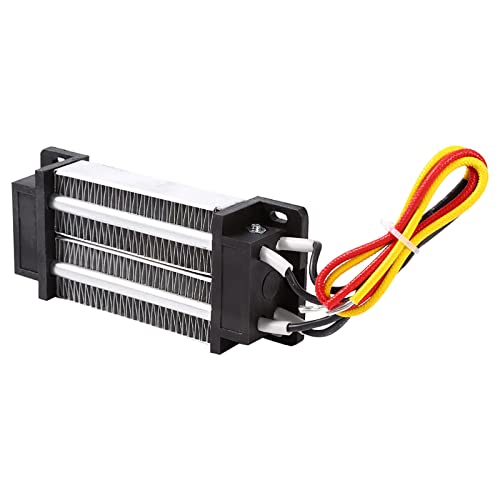
This is a compact thermostatic PTC heater marketed for automotive and machinery applications. It offers insulation, mounting holes, and high-temperature wiring to simplify installation in confined spaces.
- Type: PTC ceramic element with mounting provisions for secure attachment.
- Safety Features: Insulating cover and high-temperature leads to reduce electrical and thermal risks.
- Use Cases: Defrosting compartments, supplementing cabin heat, localized machinery warmers, and DIY appliance upgrades.
- Installation Notes: Provide proper electrical protection (fuse, wiring gauge matched to current draw) and ensure adequate airflow if used as an air heater.
PTC modules provide stable surface temperatures and are less likely to overheat compared with raw resistive elements, making them suitable where safety and reliability are priorities.
MincoHome 12V–14V Self-Regulating Heat Cable (13 ft)

This self-regulating heat tracer cable is built for pipe freeze protection at low voltages, using a conductive heating element with a protective PE outer sheath. Performance is rated at ~15 W/m at 10°C.
Call 888-896-7031 for Free Local HVAC Quotes – Compare and Save Today!
- Design: Copper conductor with conductive heating element and durable outer sheath; pre-assembled for ease of use.
- Length & Output: 13 ft kit geared for short runs of pipe or focused freeze protection zones.
- Installation: Includes cold lead section and heat shrink tubing for joining; suitable for wrapping or running along water lines.
- Application: RV and marine water lines, exterior domestic pipes in cold weather, and small distribution runs requiring 12–14V operation.
Self-regulating cables adjust heat output based on ambient temperature, reducing the risk of overheating and lowering energy use compared to fixed-resistance cords.
RoadPro RPBH-012 12-Volt Beverage Heater

The RoadPro unit is a simple 12V immersion heater coil that plugs into a vehicle 12V port. It is intended for heating beverages in glass or ceramic containers by placing the coil directly into the liquid.
- Connection: Plugs into standard 12V accessory sockets.
- Restrictions: Use with glass or ceramic containers only per manufacturer guidance to avoid melting or deformation of plastics.
- Use Case: Warming coffee, tea, or soups while traveling; low-power convenience heating rather than sustained high-power heating.
As an on-the-road convenience item, it’s important to observe safe usage: keep the coil submerged while operating and avoid leaving the device unattended.
Buying Guide: Choosing The Right 12V DC Heater
This guide covers core decision factors for selecting a 12V DC heater across multiple perspectives: thermal load, power source, environment, mounting, and safety features.
1. Define The Heating Objective
Identify whether you need to heat liquids, air, pipes, or small items. Immersion elements heat water directly, PTC plates warm air or enclosures, heat cables protect pipes, and immersion coils warm beverages.
2. Match Power And Thermal Load
Calculate the required wattage for your application. Larger volumes or faster temperature rise need higher wattage. For example, 200–300W elements heat small tanks quickly; PTC plates of 50–200W warm cabins or localized zones.
3. Power Source And Wiring Capacity
Confirm your 12V source can supply the current. Use proper gauge wiring and fusing sized to the heater’s amperage. For high-wattage loads, consider battery capacity, alternator limits, or a DC power converter if using AC mains.
4. Safety And Certifications
Check for UL/cUL listings, insulation, and thermal protections. For immersion heaters, ensure the element is designed for liquid use and that temperature or low-water cutouts are implemented where needed.
5. Mounting And Installation Constraints
Consider if the heater needs flange mounting, screw holes, adhesive backing, or flexible installation. Immersion elements require compatible tank fittings; cable tracers require adhesive or clips to secure along pipes.
6. Environmental Resistance
Confirm materials are suitable for the environment: marine-grade stainless steel for saltwater, UV-resistant sheathing for external cables, and sealed housings for damp air or spray conditions.
7. Self-Regulating vs Fixed Resistance
Self-regulating heat cables reduce overheating risk and adjust output based on temperature, making them preferable for pipe freeze protection. Fixed-resistance elements provide predictable wattage but require controls to avoid excessive temperatures.
8. Control Options
Decide if you need thermostats, manual switches, or automatic controllers. PTC elements are inherently self-limiting but may still benefit from airflow fans or thermostatic controls for precise temperature management.
9. Compatibility With Existing Systems
For vehicle or RV systems, verify connector compatibility (cigarette socket, ring terminals) and whether you need a DC-to-DC converter or an AC-to-DC power supply when shore power is used.
10. Protection And Maintenance
Plan for fusing, circuit breakers, and periodic inspection. Immersion elements should be checked for corrosion, PTC plates for secure mounting, and self-regulating cables for sheath integrity.
Comparative Perspectives
- Liquid Heating: Immersion elements (DERNORD) provide direct and efficient liquid heating but need a compatible tank and safety cutoffs.
- Air/Enclosure Heating: PTC plates and modules (PTCYIDU, AUNMAS) offer safe, thermostatic surface temperatures and are suited for cabin or enclosure warming.
- Pipe Freeze Protection: Self-regulating cables (MincoHome) minimize power use and risk of overheating when run along water lines.
- Convenience Low-Power: Beverage coils (RoadPro) provide mobility and simple use but are intended for short-term, small-volume heating.
- Electrical Support: High-wattage 12V loads often require heavy-gauge wiring, proper fusing, and consideration of battery/alternator limits; AC-to-DC converters are available for shore power scenarios.
Final implementation should follow manufacturer instructions, local electrical codes, and safe engineering practices for any heater installation. Ensure fuses, wiring sizes, and mounting meet the thermal and electrical demands of the chosen heater type.
Tips for Getting the Best HVAC Prices
- Prioritize Quality Over Cost
The most critical factor in any HVAC project is the quality of the installation. Don’t compromise on contractor expertise just to save money. - Check for Rebates
Always research current rebates and incentives — they can significantly reduce your overall cost. - Compare Multiple Quotes
Request at least three estimates before making your choice. You can click here to get three free quotes from local professionals. These quotes include available rebates and tax credits and automatically exclude unqualified contractors. - Negotiate Smartly
Once you've chosen a contractor, use the proven strategies from our guide — How Homeowners Can Negotiate with HVAC Dealers — to get the best possible final price.