
Choosing the right 12V heater for a van depends on vehicle size, power availability, installation constraints, and temperature needs. The table below summarizes five top options that cover diesel parking heaters, auxiliary cab heaters, and portable 12V defrosters selected for vans and camper conversions.
| Product | Type | Key Strength |
|---|---|---|
| VEVOR 8KW Diesel Heater | Diesel Parking Heater | High output, Bluetooth control, altitude compensation |
| VEVOR 5KW All-in-One Diesel Heater | Portable Diesel Heater | Self-contained with fuel tank, easy setup |
| JEGS Auxiliary UTV Heater | 12V Blower Heater | High BTU airflow for cab heating |
| 13,000 BTU 12 Volt Low Profile Heater | Auxiliary Cab Heater | Universal fit, installation kit included |
| QEPJO 12V 200W Portable Defroster | Portable Electric Defroster | Plug-and-play, windshield defogging |
Content Navigation
VEVOR 8KW Diesel Heater

This 12V diesel air heater offers high output (8 kW) intended for heating medium to larger vans and camper interiors. The unit uses a sandblasting aluminum heat exchanger to move heat quickly and is rated to serve approximately 215–269 ft² (20–25 m²), providing warm air within about 10 minutes under typical conditions.
Key features include Bluetooth app control and a 32 ft (10 m) remote plus an LCD control on the unit, allowing preheating and temperature adjustment from outside the vehicle. An automatic altitude compensation system adapts operation up to 18,045 ft (5,500 m) which suits mountain travel. The heater runs on 12V electrical systems and is designed for automotive and marine installations. Installation complexity is moderate and typically requires fuel line and exhaust routing.
VEVOR 5KW All-in-One Diesel Heater

This all-in-one 5 kW diesel heater includes an integrated fuel tank and requires minimal permanent installation, making it suitable for users who need portability or a temporary heating solution. The unit claims fast heat transfer via an aluminum heat exchanger and is sized for roughly 161–215 ft² (15–20 m²).
Call 888-896-7031 for Free Local HVAC Quotes – Compare and Save Today!
Features emphasize low fuel consumption with a precision fuel pump and a 5 L (1.3 gal) tank enabling continuous operation for several hours per fill. The unit includes remote and LCD controls for temperature settings from 46–96.8 °F (8–36 °C). Because it’s self-contained, it avoids routing an external fuel line but still emits exhaust and requires safe placement and ventilation. This option suits van owners seeking a powerful, semi-portable heater without extensive fabrication.
JEGS Auxiliary UTV Heater 12 Volt

The JEGS 12V heater is an electric auxiliary cab heater designed for compact spaces such as van cabs, UTVs, and trucks. It delivers up to 28,000 BTU equivalent heat output and moves air at 260 CFM through dual front vents, providing rapid warm-air circulation in the driver area.
Its compact design and mountable switch make it adaptable for tight installations where a full parking heater or rooftop unit is impractical. The three-speed fan motor allows airflow control and the unit includes installation accessories to simplify mounting. This heater is intended as an auxiliary source for cab warming rather than whole-van climate control and typically requires a robust 12V electrical supply to achieve rated airflow and heat delivery.
13,000 BTU 12 Volt Low Profile Heater
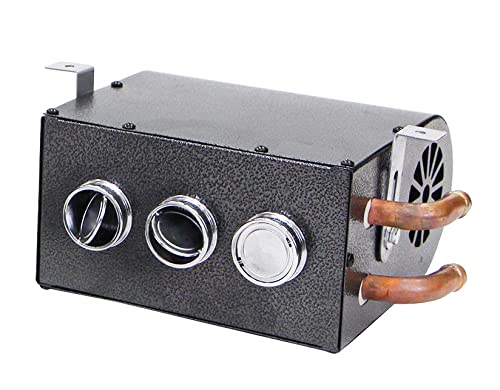
This low-profile 12V auxiliary cab heater is marketed for universal fit across trucks, vans, tractors, and buses. It lists a 13,000 BTU capacity and includes an installation kit intended to simplify mounting and duct routing in vehicle cabins.
Call 888-896-7031 for Free Local HVAC Quotes – Compare and Save Today!
Design emphasis is on compatibility and integration: the heater is sized for vehicle cabins and offers an auxiliary heat source that can complement existing HVAC systems. The unit is often used where a robust, permanent heat source is needed but space is constrained. Installation typically involves securing the heater to the vehicle structure and connecting to the 12V electrical system and existing ventilation or ducting.
QEPJO 12V 200W Portable Defroster

This 200W plug-in defroster
Key features include a built-in fuse in the lighter plug for safety and ABS/polymer construction for heat resistance. The unit is portable, making it useful for temporary winter use, defrosting windows, or as a small supplemental heater inside the van while parked. It’s not designed to heat a full van cabin but can improve visibility and rapid local warming near occupants.
Buying Guide: Choosing A 12V Heater For Your Van
Selecting the right 12V heater for a van requires balancing heat output, power source, installation complexity, safety, and intended use. The sections below outline the primary considerations and comparison perspectives to help you match the right technology to your needs.
Heat Type: Diesel vs Electric
- Diesel Parking Heaters (VEVOR 8KW, VEVOR 5KW): Use vehicle diesel or an internal tank and provide high heat output with low electrical draw. Best for full-cabin heating, long-term camping in cold climates, and when you need engine-independent heating. Require fuel supply, exhaust routing, and more involved installation.
- 12V Electric Heaters/Auxiliary Units (JEGS, 13,000 BTU): Run on battery power and can be simpler to install when matched to a heavy-duty electrical system. Ideal for targeted cab heating or when using a secondary battery bank or inverter setup.
- Portable Defrosters (QEPJO 200W): Plug-and-play solutions for defogging and spot heating. Least invasive but not suitable for full-cabin warmth.
Power And Fuel Considerations
- Check 12V system capacity: High-output heaters draw significant current; verify alternator and battery bank capability and consider dedicated batteries or inverter combinations.
- Diesel Fuel Supply: Hardwired diesel heaters may tie into the vehicle tank or use an onboard tank. Hardwiring reduces refueling steps but requires plumbing and exhaust routing.
- Run Time And Consumption: For diesel units, review fuel consumption rates and tank capacity for expected overnight operation.
Installation And Space
- Permanent Installations: Diesel heaters and larger auxiliary units require secure mounting, exhaust outlet, and air duct routing. Plan for secure placement and accessibility for maintenance.
- Modular/Portable: All-in-one diesel heaters with internal tanks are easier to move and test before committing to a permanent mount. Portable electric defrosters need only a 12V socket.
- Clearance And Venting: Diesel heaters produce exhaust; ensure proper external venting and separation from living/sleeping areas to avoid fumes or CO risks.
Climate And Use Case
- Cold/Extreme Conditions: Diesel heaters typically outperform electric options for whole-van heating and sustained cold-weather use.
- Mild/Intermittent Use: Electric auxiliary heaters and defrosters are viable for short trips, dew and frost management, or supplemental warmth around the cab.
- Altitude: If traveling to high elevations, consider models with automatic altitude compensation to maintain reliable combustion.
Controls, Safety, And Maintenance
- Control Options: Remote controls, LCD interfaces, and Bluetooth apps provide convenient preheating and temperature management. Decide which control method suits your daily routine.
- Safety Features: Look for built-in fuses, low-voltage cutoffs, flame sensors, and proper exhaust seals to mitigate fire and CO risks.
- Serviceability: Diesel units require periodic maintenance: fuel filters, burners, and exhaust inspection. Factor in access for servicing.
Noise And Comfort
- Electric systems with inverter compressors or insulated housings can be quieter for sleeping in the van. Diesel heaters have a running noise profile; check reviews or specs for decibel levels if quiet operation is important.
Comparing Perspectives
- Cost of Operation: Diesel heaters often use less electrical energy but consume diesel; electric heaters demand battery capacity and may require an inverter for AC-driven models.
- Installation Time: Portable or self-contained units minimize installation time and modification to the van; hardwired options need planning and mechanical skill.
- Effectiveness: Evaluate BTU ratings and recommended coverage area against your van’s insulation and volume to estimate real-world performance.
Final selection should be guided by intended usage (overnight warmth vs. defrosting), available power/fuel systems, and whether you prefer a permanent installation or a portable setup. Proper installation, venting, and maintenance are essential for safe and reliable operation of any 12V van heater.
Tips for Getting the Best HVAC Prices
- Prioritize Quality Over Cost
The most critical factor in any HVAC project is the quality of the installation. Don’t compromise on contractor expertise just to save money. - Check for Rebates
Always research current rebates and incentives — they can significantly reduce your overall cost. - Compare Multiple Quotes
Request at least three estimates before making your choice. You can click here to get three free quotes from local professionals. These quotes include available rebates and tax credits and automatically exclude unqualified contractors. - Negotiate Smartly
Once you've chosen a contractor, use the proven strategies from our guide — How Homeowners Can Negotiate with HVAC Dealers — to get the best possible final price.