
Choosing the right heating solution for a two-car garage often involves both a heater and improved insulation. Below is a concise comparison followed by detailed product sections and a buying guide to help American homeowners match capacity, installation type, and energy considerations.
| Product | Type | Key Feature |
|---|---|---|
| BlueTex Insulation White Reflective Foam Core Kit | Door Insulation Kit | Reflective Foil Blocks 97% Radiant Heat |
| Comfort Zone 10,000W Hard-Wired Garage Heater | Ceiling-Mount Electric Heater | 10,000W Fan-Forced Heat With Digital Thermostat |
| NASA TECH White Reflective Foam Core Kit (US Energy) | Pre-Cut Insulation Kit | R-Value 8.0, Made In USA |
| NewAir 5600W Portable Electric Garage Heater | Portable Electric Heater | Heats Up To 600 Sq. Ft., 5,600W Power |
| Heat Storm HS-6000-GC Hardwired Electric Heater | Wall/Ceiling Hardwired Heater | Wi‑Fi Control And 3,000–6,000W Output |
Content Navigation
BlueTex Insulation White Reflective Foam Core Kit
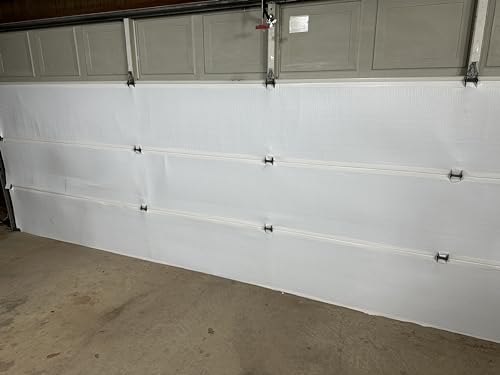
This kit Is Designed For Residential Panel-Style Garage Doors and is offered in a size to fit common two-car garage doors (18 ft x 8 ft or 18 x 7). The roll width (22″) aligns to panel sizes up to 22″ tall for easier coverage. The kit includes 3M double-sided tape, wide seam tape, screws/washers, and a utility knife to enable a DIY installation.
The Foil Surface is claimed to block up to 97% of radiant heat when installed with an air gap of at least 1/4″. For buyers focused on reducing summer heat gain and improving year-round temperature stability, this product targets the garage door as a major thermal leak.
Comfort Zone 10,000W Hard-Wired Garage Heater

This industrial-style ceiling-mounted fan-forced heater provides 10,000 watts at 240V and is engineered for wide air distribution. The design includes adjustable directed airflow vents to reduce cold spots across a two-car garage footprint.
Call 888-896-7031 for Free Local HVAC Quotes – Compare and Save Today!
Key controls include an integrated digital thermostat, 12-hour timer, and remote control for set-and-forget operation. Safety and durability features include a heavy-gauge steel body, fully sheathed heating elements, an enclosed motor for dust protection, and overheat protection. This unit is suited to garages where permanent, high-output hardwiring is acceptable and where consistent heat distribution is needed.
NASA TECH White Reflective Foam Core Garage Door Kit

This pre-cut kit From US Energy Products Includes four rolls of 2 ft x 18 ft foam core insulation with a published R-value of 8.0. It ships with heavy-duty double-sided tape, a razor, a squeegee, and instructions. The product states compliance with US and international fire codes and notes Made In USA manufacturing.
The kit targets installers who want a higher R-value with minimal trimming. Instructions emphasize proper tape application—peel liner and allow tack-up—to achieve durable adhesion and thermal performance on standard two-car doors.
NewAir 5600W Portable Electric Garage Heater

The NewAir 5600W portable heater Delivers up to 5,600 watts and is marketed to heat areas up to approximately 600 sq. ft., making it applicable for many two-car garages. It features a rugged steel body with a powder-coated finish, a 6-foot cord wrap, and a carrying handle for mobility.
Call 888-896-7031 for Free Local HVAC Quotes – Compare and Save Today!
Controls include thermostat and automatic fan control to maintain set temperatures. The fan-forced design enables relatively quick warm-up of enclosed garage spaces. As a portable unit, it offers flexible placement without the need for hardwiring, but it requires compatible electrical supply and circuit capacity for high-watt operation.
Heat Storm HS-6000-GC Wall/Ceiling Mounted Heater

The Heat Storm HS-6000-GC Offers hardwired wall-or-ceiling installation with selectable wattage between 3,000 and 6,000W. Its features include Wi‑Fi connectivity for smartphone control and multiple mounting orientations to direct heat where needed in a garage workspace.
As a hardwired unit with a claimed range of wattage and BTU equivalence, this product suits homeowners who want a compact, controllable heater with smart-home integration and professional installation for reliable operation.
Buying Guide For 2 Car Garage Heaters
When selecting heating options for a two-car garage, assess these core considerations to match performance with budget and installation constraints.
1. Heat Output And Coverage
- Wattage → Heating Capacity: Higher wattage generally equals more heat. For typical two-car garages, look for units in the 3,000–10,000W range depending on insulation and ceiling height.
- Square Footage Rating: Manufacturers will indicate recommended coverage (e.g., 600 sq. ft.). Cross-reference this with your garage volume and climate zone.
2. Installation Type
- Hardwired Ceiling/Wall Heaters: Require professional installation but deliver stable, permanent heat and often higher wattage options.
- Portable Plug-In Heaters: Offer flexibility and no hardwiring but demand compatible circuits and may limit mobility during large projects.
- Insulation Kits: Door and wall insulation reduce required heater size and operating cost by limiting heat loss.
3. Energy Efficiency And Controls
- Thermostats And Timers: Digital thermostats, timers, and remote controls enable targeted heating schedules and reduced run time.
- Smart/Wi‑Fi Features: Remote control via phone can prevent wasted energy and improve convenience.
- Fan-Forced Distribution: Fan-forced heaters distribute heat faster but may use additional electricity for the blower.
4. Safety And Durability
- Overheat Protection & Enclosures: Look for overheat shutoff, fully sheathed heating elements, and enclosed motors for dusty garage environments.
- Build Quality: Heavy-gauge steel bodies and protective finishes resist dents and abrasion in workshop conditions.
5. Insulation And Thermal Strategy
- Garage Door Insulation: Reflective foam core kits increase effective R-value and reduce radiant heat transfer through doors—important in summer and winter.
- Air Sealing: Address gaps around doors, weatherstripping, and wall insulation first; this reduces heater runtime and lowers operating cost.
6. Electrical Capacity And Circuit Requirements
- Dedicated Circuits: High-watt heaters (3,000W+) often require 240V dedicated circuits. Confirm your home’s panel capacity and code compliance.
- Plug Ratings: Portable units at higher wattage can trip breakers if shared with other appliances. Verify amperage and outlet type.
7. Noise, Air Movement, And Work Use
- Fan Noise: Fan-forced units create airflow and noise; consider noise sensitivity if the garage doubles as a workspace or hobby room.
- Airflow Direction: Adjustable vents or directed airflow can prevent cold spots and focus heat where tools or cars sit.
8. Comparative Perspectives
- Performance vs. Cost: Hardwired ceiling heaters provide consistent coverage but cost more to install. Portable units cost less upfront and are flexible but may be less efficient.
- Insulation vs. Heater Size: Spending on high-quality insulation and door kits often reduces the required heater size, leading to long-term savings.
- Smart Control vs. Simplicity: Wi‑Fi or programmable thermostats improve efficiency for active users. Simpler thermostats may suffice for garages infrequently used.
Use the combination of a properly sized heater and targeted door or wall insulation to optimize comfort and cost. Evaluate electrical constraints, installation preferences, and long-term operating expenses before deciding.
Tips for Getting the Best HVAC Prices
- Prioritize Quality Over Cost
The most critical factor in any HVAC project is the quality of the installation. Don’t compromise on contractor expertise just to save money. - Check for Rebates
Always research current rebates and incentives — they can significantly reduce your overall cost. - Compare Multiple Quotes
Request at least three estimates before making your choice. You can click here to get three free quotes from local professionals. These quotes include available rebates and tax credits and automatically exclude unqualified contractors. - Negotiate Smartly
Once you've chosen a contractor, use the proven strategies from our guide — How Homeowners Can Negotiate with HVAC Dealers — to get the best possible final price.