
If You’re Searching For A 20,000 BTU Electric Heater, Full-Strength Electric Units At That Exact Output Are Rare; Many High-Power Options Are Gas Or Split/Packaged Systems. This Guide Compares High-Watt Electric Heaters And Electric-Based Alternatives That Cover Large Rooms, Garages, Workshops, Greenhouses, And PTAC Systems. Below Is A Quick Comparison Table Of The Selected Models Followed By Detailed Product Sections And A Buying Guide.
| Product | Type | Power/BTU Equivalent | Best For |
|---|---|---|---|
| Comfort Zone Ceiling Mount Fan-Forced Heater (CZ220) | Hard-Wired Electric, Ceiling | 5,000 Watt (~17,065 BTU) | Garages, Workshops, Overhead Installation |
| Cooper & Hunter PTAC With 3.5kW Electric Heater | Packaged Terminal Heat/AC With Electric Heater | 3.5 kW Electric Heater (~11,945 BTU) + Heat Pump | Rooms/Hotel-Style Installations Where Cooling And Heating Both Needed |
| DR. INFRARED HEATER DR218 3000W Infrared | Infrared Electric Heater | 3,000 Watt (~10,236 BTU) | Greenhouses, Workshops, Targeted Infrared Heat |
| Cadet Com-Pak Electric Wall Heater CSC202TW | Electric Wall Heater With Thermostat | 2,000 Watt (~6,826 BTU) | Small Rooms, Supplemental Heating |
| Dura Heat EUH1465 Forced Air 1500W | Portable Forced-Air Electric Heater | 1,500 Watt (~5,119 BTU) | Small Workspaces, Portable Supplement |
Content Navigation
- Comfort Zone Ceiling Mount Garage Electric Space Heater
- Cooper & Hunter 12,000 BTU PTAC With Built-In 3.5kW Electric Heater
- DR. INFRARED HEATER DR218 3000-Watt Greenhouse/Workshop Heater
- Cadet Com-Pak Electric Wall Heater With Thermostat (CSC202TW)
- Dura Heat EUH1465 Electric Forced Air Heater With Pivoting Base
- Buying Guide: Choosing The Right High-Power Electric Heater
Comfort Zone Ceiling Mount Garage Electric Space Heater

The Comfort Zone CZ220 Is A Hard-Wired, Fan-Forced Ceiling Unit Rated At 5,000 Watts Which Converts To Roughly 17,065 BTU. Its Ceiling-Mount Design Keeps Floor Space Clear And Uses A Fan To Distribute Heat Quickly Across Larger Open Areas Like Garages And Workshops. The Steel Construction And Adjustable Louvers Allow Directed Heat Distribution For Targeted Warming. Built-In Safety Includes Thermal Cut-Out And Overheat Protection, Making It Appropriate For Areas Where Continuous Operation And Durability Matter. Installation Requires A 240V Hard-Wire Connection, So Professional Wiring Is Often Recommended. This Model Is Best When You Need A High-Power Electric Option For Overhead Coverage Rather Than A Low-Profile Wall Unit.
Cooper & Hunter 12,000 BTU PTAC With Built-In 3.5kW Electric Heater

The Cooper & Hunter PTAC Is A Packaged Terminal Unit Designed For Room-Style Installations And Combines Refrigeration Cooling With A 3.5 kW Electric Heater (Approximately 11,945 BTU Equivalent). It’s Intended For 230/208V Circuits And Often Used In Retrofits Or New Installations Where A Sleeve And Exterior Grille Can Be Installed. The PTAC Offers Both Heating And Cooling, Making It A Versatile Alternative Where Seasonal Temperature Control Is Needed. The Electric Heater Component Provides Reliable Supplementary Heat And Can Be Combined With The Heat Pump Operation To Reach Higher Effective Heating Capacity In Appropriate Climates. Check Electrical Requirements And Sleeve Needs Before Purchase.
DR. INFRARED HEATER DR218 3000-Watt Greenhouse/Workshop Heater

Call 888-896-7031 for Free Local HVAC Quotes – Compare and Save Today!
The DR. Infrared DR218 Is A 3,000 Watt Infrared Unit Designed For Greenhouses, Garages, And Workshops. Infrared Heaters Work By Warming Objects And Surfaces Directly Instead Of Only Heating Air, Resulting In Faster Perceived Warmth In Target Zones. The Unit Has High/Low Settings For Output Control And An IPX4-rated Construction For Resistance To Water Splashing, Useful In Greenhouse Environments. At 3,000 Watts, The Output Equates To About 10,236 BTU, So Multiple Units Or Supplemental Heating May Be Required For Very Large Spaces. Infrared Is Efficient For Spot Heating Plants Or Work Areas, And The DR218 Is Packaged For That Use Case.
Cadet Com-Pak Electric Wall Heater With Thermostat (CSC202TW)
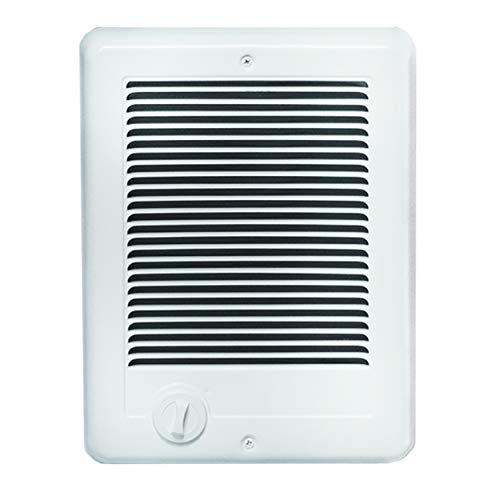
The Cadet Com-Pak CSC202TW Is A Wall-Mounted Electric Heater With Built-In Thermostat, Offering 2,000 Watts (Around 6,826 BTU) For Quick Supplemental Heating Of Smaller Rooms Up To ~200 Sq. Ft. It Uses A Fast-Heating Coil Element And A Quiet Fan To Spread Warmth Efficiently. This Model Is Designed For Interior Installations And Includes Safety Features That Turn Off The Heater If Temperatures Exceed Normal Limits. The Compact Profile Makes It Suitable For Bedrooms, Offices, Or Small Additions Where Localized Electric Heat Is Preferred And Hard-Wiring Or Suitable Outlet Voltage Is Available.
Dura Heat EUH1465 Electric Forced Air Heater With Pivoting Base
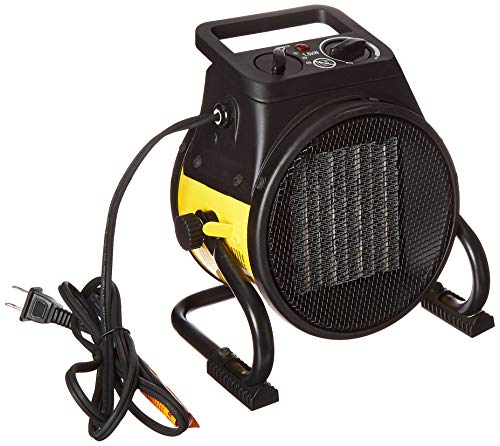
The Dura Heat EUH1465 Delivers 1,500 Watts Of PTC Ceramic Heating Element Power (~5,119 BTU) With A Pivoting Base For Directional Forced-Air Heat. Built From Rugged Steel, It Is Portable And Suited To Workshops, Garages, Or Jobsite Use Where A Compact, Moveable Electric Heater Is Needed. This Unit Offers Heat And Fan-Only Settings For Flexibility And Is Designed For Quick Warm-Up Of Small Zones. As A Lower-Watt Portable Option, It Serves Best As Supplemental Heat Or For Spot Warming Rather Than Whole-Building Heating.
Buying Guide: Choosing The Right High-Power Electric Heater
Understand BTU Versus Watts
BTU (British Thermal Unit) Measures Heat Output; 1 Watt ≈ 3.412 BTU. A 20,000 BTU Target Requires Roughly 5,860 Watts. Standard Household Electric Heaters Often Max Out Between 1,500W And 5,000W, So Achieving 20,000 BTU With Purely Electric Portable Units Is Uncommon. Consider Multiple Units Or Hard-Wired Commercial/Industrial Models To Approach That Output.
Call 888-896-7031 for Free Local HVAC Quotes – Compare and Save Today!
Match Heater Type To Space And Use
- Infrared Heaters Warm Objects And People Directly — Good For Greenhouses, Outdoor Covered Areas, And Spot Heating.
- Fan-Forced Heaters Distribute Warm Air Quickly — Best For Even Heating Of Workshops And Garages.
- Wall/Ceiling Mounted Units Save Floor Space And Can Deliver Higher Continuous Output If Hard-Wired.
- PTAC/Packaged Units Combine Heating And Cooling For Rooms Where Seasonal Control Is Needed; Electric Heater Sections Provide supplemental heat capacity.
Electrical Capacity And Installation
Higher-Watt Electric Heaters Often Require 240V Circuits And Dedicated Breakers. Verify Your Electrical Panel Capacity And Circuit Availability. Hard-Wired Installations May Require Licensed Electricians. For PTAC Or 3.5kW Units, Confirm Receptacle Type And Voltage Compatibility Before Purchase.
Coverage Area And Heat Loss
Estimate Heat Needs Based On Square Footage, Insulation Quality, Ceiling Height, And Local Climate. A Well-Insulated 700 Sq. Ft. Space Needs Far Less Electric Power Than A Poorly Insulated One. Use Manufacturer Guidance For Approximate Coverage And Consider Supplemental Units For Large Open Areas.
Safety Features
- Overheat Protection And Thermal Cut-Outs Prevent Component Damage.
- Tip-Over Switches Are Important For Portable Units.
- IP Ratings Matter In Humid Or Greenhouse Settings (Water Resistance).
Efficiency And Operating Costs
Electric Heaters Convert Nearly All Input Power To Heat, But Operating Costs Depend On Local Electricity Rates And Watts Used. Higher-Watt Units Provide Faster Heating But Increase Electric Draw. Consider Programmable Thermostats, Zoning, Or Heat Pumps (If Compatible) To Improve Efficiency Over Time.
Durability And Environment
Look For Robust Construction (Steel Bodies, IP Ratings), Especially In Workshops Or Greenhouses. For Outdoor Or Semi-Outdoor Uses, Choose Units With Water Resistance And Appropriate Mounting Options.
Tips for Getting the Best HVAC Prices
- Prioritize Quality Over Cost
The most critical factor in any HVAC project is the quality of the installation. Don’t compromise on contractor expertise just to save money. - Check for Rebates
Always research current rebates and incentives — they can significantly reduce your overall cost. - Compare Multiple Quotes
Request at least three estimates before making your choice. You can click here to get three free quotes from local professionals. These quotes include available rebates and tax credits and automatically exclude unqualified contractors. - Negotiate Smartly
Once you've chosen a contractor, use the proven strategies from our guide — How Homeowners Can Negotiate with HVAC Dealers — to get the best possible final price.
Comparison Perspectives
- Single High-Power Unit Versus Multiple Smaller Units: Multiple Units Offer Zoning Flexibility And Lower Individual Circuit Requirements; A Single Large Hard-Wired Unit Simplifies Control But May Need Special Electrical Work.
- Infrared Versus Convection: Infrared Is More Efficient For Spot Heating; Convection/Forced-Air Is Better For Whole-Room Comfort.
- Electric Versus Gas: Gas (Natural Or Propane) Can Deliver Higher BTU Output More Economically In Many Cases, But Requires Venting/ODS Considerations. Electric Solutions Are Cleaner Indoors And Simpler To Install Electrically.
Installation And Maintenance Tips
- Hire A Licensed Electrician For Hard-Wired Or High-Voltage Installations.
- Keep Vents, Louvers, And Air Paths Clear For Forced-Air Units.
- Regularly Inspect For Dust Buildup In Fans/Coils To Maintain Efficiency.
- Verify Warranty Terms And Availability Of Replacement Parts.