
Choosing a reliable 220V baseboard heater with a built‑in thermostat or compatible high‑voltage thermostat can improve comfort and energy control in homes with electric heating. The following table summarizes five relevant Amazon products selected for compatibility with 208–240V systems, built‑in thermostat capability, or high‑voltage smart control features.
| Product | Type | Voltage/Compatibility |
|---|---|---|
| Cadet Double Pole Built‑In Thermostat (BTF2W) | Replacement Built‑In Thermostat | 120/208/240V (Cadet F Series) |
| Cadet Single Pole Thermostat Kit (BTF1W) | Replacement Built‑In Thermostat | 120/208/240V (Cadet F Series) |
| Mysa Smart Thermostat (240V) | Smart High‑Voltage Thermostat | 120–240V Electric Baseboards (requires 4 wires) |
| meross Smart Thermostat (120–240V) | Smart High‑Voltage Thermostat | 120–240V Electric Baseboards (4 wires needed) |
| Broan‑NuTone Wall Heater With Built‑In Thermostat | Wall Heater With Thermostat | 120/240V, Adjustable Front‑Mounted Thermostat |
Content Navigation
Cadet Double Pole Built-In Thermostat

This Cadet Double Pole Built‑In Thermostat (BTF2W) is designed specifically for Cadet F Series electric baseboard heaters. It supports 120/208/240V systems and handles up to 22 amps. The device mounts directly to either end of an F Series heater to eliminate extra wiring and provides a manual dial control with a range of 45º–80ºF (7ºC–27ºC).
Primary features from the listing include compatibility with Cadet F Series units, an easy‑to‑use twist dial, and a design that simplifies installation by using the heater end mounting location. As a double‑pole control, it isolates both conductors for safer switching in multi‑wire circuits common to 240V baseboards.
Cadet Single Pole Thermostat Kit
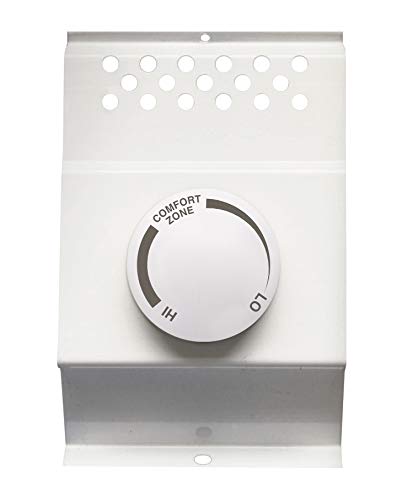
The Cadet Single Pole Built‑In Thermostat Kit (BTF1W) is an alternative for Cadet F Series baseboards where single‑pole switching is acceptable. It offers the same temperature range of 45º–80ºF with a large twist dial and mounts to the heater for minimal additional wiring.
Call 888-896-7031 for Free Local HVAC Quotes – Compare and Save Today!
Key specs in the listing note 22 amp capacity and multi‑voltage compatibility (120/208/240V). Single‑pole models switch only one hot conductor, so they are typically used where line neutral arrangements allow. Installers should verify whether local codes or the specific heater model require double‑pole switching for 240V circuits.
Mysa Smart Thermostat For 240V Baseboards

The Mysa Smart Thermostat is built for high/line voltage electric heating systems including 120–240V baseboards and fan‑forced heaters. The product supports up to 3800W at 240V and requires a 4‑wire connection including neutral or a second live conductor.
Features from the listing emphasize smart integrations (HomeKit, Alexa, Google), a free mobile app for scheduling, and adaptive display technologies. The listing also warns it does not work with two‑wire or low‑voltage systems. Mysa offers energy‑saving schedules and remote control capabilities suited to users seeking smart automation on 240V circuits.
meross Smart Thermostat For Baseboards

The meross Smart Thermostat is another smart option for high‑voltage electric baseboards and fan‑forced units. It supports loads up to 3840W at 240V (16A rating at 240V equivalency by listing), and requires a 4‑wire installation. The device integrates with Apple Home, Alexa, Google Home and SmartThings for voice and remote control.
Call 888-896-7031 for Free Local HVAC Quotes – Compare and Save Today!
Listing highlights include a marketed easy install under 30 minutes (qualified by installer skill), compatibility with multiple electric heating types, and energy management features. As with other smart high‑voltage thermostats, confirm your wiring configuration and amperage needs before selecting this device.
Broan‑NuTone Wall Heater With Thermostat

The Broan‑NuTone Wall Heater is a compact unit with a front‑mounted adjustable thermostat and downflow louvers designed to direct heat toward the floor. It supports 120/240V operation in configurable wattage steps and provides a built‑in mechanical thermostat for localized control.
Features from the listing include an enamel finish for durability, a one‑piece grille design, and an adjustable thermostat for simple manual control. Although a wall heater rather than a baseboard, it represents an integrated heater + thermostat option for rooms where a wall‑mounted solution is acceptable.
Buying Guide: Choosing A 220V Baseboard Heater With Built‑In Thermostat
Selecting the right device involves electrical compatibility, control preferences, installation complexity, and local code requirements. Below are key considerations and comparison points to guide a purchase decision.
Tips for Getting the Best HVAC Prices
- Prioritize Quality Over Cost
The most critical factor in any HVAC project is the quality of the installation. Don’t compromise on contractor expertise just to save money. - Check for Rebates
Always research current rebates and incentives — they can significantly reduce your overall cost. - Compare Multiple Quotes
Request at least three estimates before making your choice. You can click here to get three free quotes from local professionals. These quotes include available rebates and tax credits and automatically exclude unqualified contractors. - Negotiate Smartly
Once you've chosen a contractor, use the proven strategies from our guide — How Homeowners Can Negotiate with HVAC Dealers — to get the best possible final price.
Voltage And Wiring Compatibility
- Confirm Voltage: Verify your circuit is 208–240V before selecting a high‑voltage thermostat or heater. Many listings specify 120–240V compatibility but may have different load limits at each voltage.
- Wiring Needs: Smart high‑voltage thermostats (Mysa, meross) typically require 4 wires including a neutral or second live conductor. Legacy two‑wire baseboards will not be compatible without rewiring.
- Pole Switching: For 240V circuits, double‑pole switching
Load And Amperage Ratings
- Match Wattage: Ensure the thermostat’s maximum wattage/amp rating covers the combined heater load on the circuit. Example: a 240V thermostat rated 3840W supports up to 16A at 240V (note manufacturers may express ratings differently).
- Multiple Heaters On One Thermostat: Avoid controlling multiple large baseboards from a single thermostat unless the total load is within the thermostat’s rating and wiring is sized appropriately.
Built‑In Thermostat Versus External Smart Thermostat
- Built‑In Kits (Cadet): These mount directly to compatible baseboard models and often simplify installation with heater‑end mounting. They provide straightforward manual control and are matched to manufacturer heater specs.
- Smart High‑Voltage Thermostats (Mysa, meross): Offer remote control, scheduling, and integrations with voice assistants. They require proper wiring and may provide energy‑saving scheduling features.
- Wall Heater Units With Thermostats: Integrated wall heaters like Broan‑NuTone offer a combined solution but are a different installation type than baseboards and affect room layout considerations.
Installation And Code Considerations
- Qualified Installer: For 240V circuits, using a licensed electrician is recommended. This ensures safe double‑pole switching, correct wire gauge, and code compliance.
- Local Codes: Some jurisdictions require double‑pole disconnect for 240V heaters. Verify whether single‑pole devices are permitted for your setup.
- Mounting And Clearance: Built‑in thermostats often mount in the heater end cap; follow manufacturer clearance and placement guidelines for accurate temperature sensing and safe operation.
Control Features And Energy Management
- Manual Dial Thermostats: Provide simple, reliable temperature setting without network dependencies.
- Smart Thermostats: Offer scheduling, geofencing, remote monitoring, and often energy reports. They may allow savings through adaptive schedules but require reliable Wi‑Fi and proper wiring.
- Temperature Range And Accuracy: Check listed temperature range (Cadet models list 45º–80ºF). Smart thermostats may offer tighter setpoint control and historical data.
Safety Features
- Overheat Protection: Some heaters include internal overheat protection or thermal cutoffs. Confirm such protections if safety is a priority.
- Double‑Pole Disconnects: For 240V, devices that switch both hot legs reduce the risk of a live conductor remaining connected when “off.”
Comparison Perspectives
- Compatibility Perspective: Cadet built‑in thermostats are ideal when paired with Cadet F Series baseboards for a matched solution. They are not universal.
- Smart Control Perspective: Mysa and meross target users seeking remote control and integrations; they require compatible wiring and a willingness to configure networked features.
- Integrated Heater Perspective: Broan‑NuTone provides a combined heater+thermostat in one wall‑mounted unit for scenarios where baseboards are not preferred or possible.
- Installation Complexity Perspective: Built‑in heater thermostats that mount to the heater body often reduce extra wiring but require the heater be a supported model; smart thermostats generally need a full electrical box with multiple conductors.
Practical Checklist Before Buy
- Confirm circuit voltage and whether the thermostat must be single or double‑pole.
- Determine total heater wattage and ensure thermostat amp/watt rating meets or exceeds it.
- Check wiring in the electrical box for required conductors (4‑wire for many smart models).
- Decide between manual built‑in controls and smart thermostats based on automation needs.
- Consult a licensed electrician for 240V installations and local code compliance.