
Overview: This guide compares reliable 220V and 240V wall heaters suitable for rooms, garages, patios, and commercial spaces. The selected units cover fan-forced, infrared, and convection styles with built-in thermostats, high-capacity models, and energy-saving designs for targeted heating.
| Product | Type | Voltage | Key Feature |
|---|---|---|---|
| ENVI Hardwired Electric Panel Wall Heater | Convection / Fan-less | 220V | Cool-to-touch, energy efficient |
| Broan-NuTone 198 High Capacity Wall Heater | Fan-forced / High Capacity | 240VAC | 4000W / convertible to 2000W |
| Global Industrial Fan Forced Wall Heater | Fan-forced | 240/208V | Built-in thermostat, quick heat |
| Dr. Infrared 3000W Infrared Heater | Infrared | 220-240V | Instant infrared heat, IP55 |
| Cadet Energy Plus Wall Heater | Electric / Digital Thermostat | 240/208/120V | Onboard digital thermostat, thermal safeguard |
Content Navigation
ENVI 220 Volt Hardwired Panel Heater

This ENVI hardwired panel is designed for energy-efficient zone heating at 220V. The unit emphasizes low operating cost and targeted warmth to reduce central heating usage.
- Energy Savings: Claimed savings up to 50% by heating individual spaces instead of whole-house systems.
- Safety: Wall-Sens safety sensor prevents operation if removed; cool-to-touch surface (~90°F) suitable for homes with children or pets.
- Quiet Operation: Fan-less, convection “Stack Convection Technology” provides silent, gentle circulation without moving parts.
- Application: Intended for bedrooms, bathrooms, offices, kitchens, and garages as a supplement or primary localized heat source.
The design targets users seeking silent, low-wattage convection heating with enhanced safety features for continuous operation.
Broan-NuTone 198 High Capacity Heater
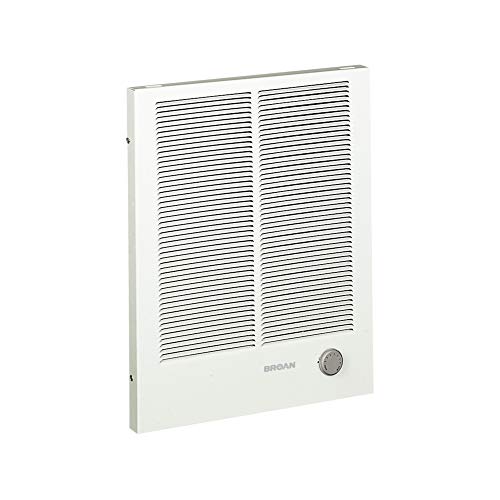
The Broan-NuTone 198 is a high-capacity wall heater that operates on 240VAC and is convertible to 120VAC at lower wattage. It’s built for spaces needing rapid output.
Call 888-896-7031 for Free Local HVAC Quotes – Compare and Save Today!
- Power Options: Operates at 4000W/240VAC; convertible to 2000W at 120V for flexible installation requirements.
- Construction: Heavy-duty 18-gauge steel grille with baked enamel finish and downflow louvers to direct heat toward the floor.
- Controls: Front-mounted adjustable thermostat for straightforward temperature control.
- Use Case: Suitable for larger rooms or where high output supplemental heat is required.
This model focuses on robust heat output and durability, with a simple thermostat interface for typical residential installations.
Global Industrial Fan Forced Wall Heater

Global Industrial offers a fan-forced wall heater with quick heat response and multi-voltage compatibility, aimed at workshop, garage, or industrial-adjacent uses.
- Fast Heating: Fan-forced design delivers heat quicker than pure convection units, beneficial for spaces that need near-instant warmth.
- Installation: Recessed mounting option for a lower-profile install and cleaner aesthetic.
- Controls: Built-in thermostat for basic temperature regulation; suited to moderate control needs.
- Voltage: Supports 240V/208V operation, aligning with 220–240V systems in many installations.
The product is presented for users prioritizing rapid warm-up and adaptable mounting in utility or commercial environments.
Dr. Infrared 3000W 220-240V Infrared Heater
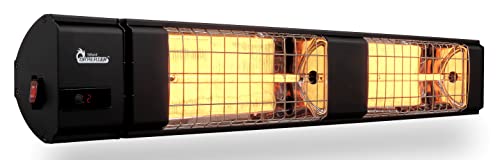
Dr. Infrared’s 3000W model uses carbon infrared elements to provide immediate, radiant heat for indoor and protected outdoor spaces on 220–240V circuits.
Call 888-896-7031 for Free Local HVAC Quotes – Compare and Save Today!
- Instant Infrared Heat: 10,260 BTU output via a 3000W carbon element for near-instant warmth without lengthy preheat.
- Weather Resistance: IP55 rating and weatherproofing make it suitable for patios, covered outdoor areas, and garages.
- Mounting & Control: Includes hardware for wall or ceiling mounting and a remote for switching power levels and standby mode.
- Indoor Use: Advertised as odorless and clean for indoor environments when properly installed.
Infrared units like this emphasize radiant warmth and fast comfort, useful when you want heat that warms objects and people directly rather than only heating air.
Cadet Energy Plus Wall Heater With Digital Thermostat

Cadet Energy Plus is a compact electric wall heater with an onboard digital thermostat and multiple voltage/wattage configurations for flexible installations.
- Digital Controls: Push-button digital thermostat with a large display for easy setpoint adjustments and simplified operation.
- Safety: Thermal safeguard protection shuts off the heater if operating temperatures are exceeded.
- Compatibility: Works with 240/208/120V and intended to fit existing Cadet Com-Pak wall cans for retrofit ease.
- Application: Good for rooms where precise setpoint control and a modern interface are desired.
Cadet’s model targets buyers seeking digital thermostat convenience and straightforward retrofit installation with built-in safety measures.
Buying Guide: Choosing The Right 220V Wall Heater
Selecting a 220V wall heater requires matching the unit type, power, controls, and safety features to the space and intended use. Below are key considerations and comparison perspectives.
Tips for Getting the Best HVAC Prices
- Prioritize Quality Over Cost
The most critical factor in any HVAC project is the quality of the installation. Don’t compromise on contractor expertise just to save money. - Check for Rebates
Always research current rebates and incentives — they can significantly reduce your overall cost. - Compare Multiple Quotes
Request at least three estimates before making your choice. You can click here to get three free quotes from local professionals. These quotes include available rebates and tax credits and automatically exclude unqualified contractors. - Negotiate Smartly
Once you've chosen a contractor, use the proven strategies from our guide — How Homeowners Can Negotiate with HVAC Dealers — to get the best possible final price.
Heater Type And How It Affects Performance
- Fan-Forced Heaters: Provide quicker room warm-up via forced air. Suitable for garages, workshops, and larger spaces that need rapid temperature recovery.
- Convection / Fan-less Panels: Offer silent, gentle circulation and steady background heat. Ideal for bedrooms and living areas where noise and dust circulation are concerns.
- Infrared (Radiant): Heat people and objects directly, effective in open or semi-outdoor spaces and locations where heating surfaces is preferable to air.
Power, Voltage, And Room Size
- Wattage / BTU: Higher wattage delivers more heat but requires appropriate circuit capacity. Match wattage to room size—small rooms often need 500–1500W, larger rooms or garages may require 2000–4000W or more.
- Voltage Compatibility: Confirm supply voltage (220V, 240V, 208V) and select a heater rated for that supply to avoid performance issues or safety hazards.
Controls And Thermostat Options
- Built-in Thermostats: Simplify installation and maintain set temperatures. Digital units offer precise control and displays.
- External Line-Voltage Thermostats: Provide more flexible placement of controls and may be easier to adjust for occupant comfort.
- Remote Or Multi-Level Controls: Useful for infrared and higher-end models to switch between power levels without accessing the unit.
Safety And Installation Considerations
- Surface Temperature: Cool-to-touch designs reduce burn risk in homes with children and pets.
- Thermal Safeguards: Automatic shutoff for over-temperature events is recommended for continuous or unattended use.
- Mounting And Clearance: Verify clearances, recessing requirements, and wall can compatibility for retrofit projects.
- Electrical Requirements: Ensure circuit breakers, wiring gauge, and disconnect provisions match the heater’s amperage and local electrical codes.
Durability, Environment, And Placement
- Indoor Vs Outdoor-Rated: Choose IP-rated or weatherproof heaters for patios or damp locations; indoor-only units are not suitable for exposure.
- Material And Grille Design: Heavy-gauge steel and baked enamel finishes improve longevity in high-use areas.
- Noise Considerations: Fan-less or convection units minimize sound; fan-forced units may be audible when active.
Comparative Perspectives
- Energy Efficiency: Infrared and targeted zone heaters can reduce overall heating bills when used to supplement central systems, but actual savings depend on usage patterns and insulation.
- Response Time: Fan-forced and infrared models heat faster than passive convection panels; choose based on whether instant warmth or continuous background heat is preferred.
- Control Precision: Digital thermostats provide better setpoint control than basic mechanical knobs, which can influence comfort and energy consumption.
Final Selection Checklist
- Verify voltage compatibility with your home circuit (220/240V vs 208V).
- Confirm wattage and breaker/wire requirements before installing.
- Decide between rapid fan-forced warmth, silent convection, or radiant infrared based on room use.
- Prioritize safety features like cool-to-touch surfaces and thermal shutoffs for occupied living spaces.
- Check mounting options and whether the unit fits existing wall cans for retrofit ease.