
Choosing a 24-inch electric baseboard heater requires weighing wattage, voltage, installation method, and compatibility with thermostats or covers. Below is a concise comparison of five relevant 24″ baseboard heater products and accessories available on Amazon to help narrow options quickly.
| Product | Brand | Key Feature |
|---|---|---|
| Cadet F Series 24″ Electric Baseboard Heater (White) | Cadet | Steel construction, hard-wired electric |
| Cadet F Series 24″ Electric Baseboard Heater (Almond) | Cadet | Hard-wire, convection heating for ~50 sq ft |
| Marley 2542NW 240V 2′ Baseboard Heater | Marley | Convection design, large wiring compartment |
| Cadet Built-In Thermostat Kit (Single Pole) | Cadet | Mounts to heater, 45–80°F range, 22 Amp |
| Baseboarders Premium Series 2 ft Galvanized Cover | Baseboarders | Slip-on replacement cover, lifetime rust warranty |
Content Navigation
Cadet F Series 24″ Electric Baseboard Heater (White)
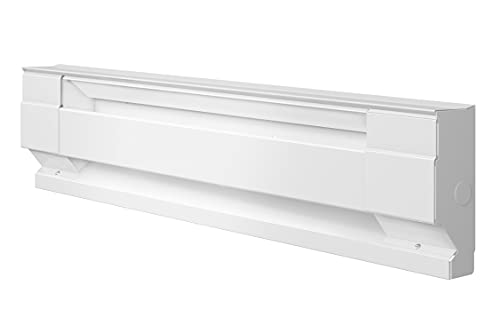
Model Details: 2F350W (Part 09949). This unit is a 24-inch baseboard heater designed for hard-wired electric installation. The listed specs include 240/208 volt operation and 350/262 watt output, delivering approximately 1195/895 BTU depending on voltage.
Construction And Finish: Built from steel and finished in white, the heater uses convection heating to circulate warm air along the floor line. The steel construction supports durability in typical indoor environments.
Installation Notes: This model is not a plug-in design and requires hard-wiring to the electrical circuit. Verify matching voltage and wattage to your existing wiring and circuit breaker capacity before installation. Suitable for small rooms or supplemental heating where a low-watt, compact baseboard solution is needed.
Cadet F Series 24 in. Electric Baseboard Heater (Almond)
Call 888-896-7031 for Free Local HVAC Quotes – Compare and Save Today!
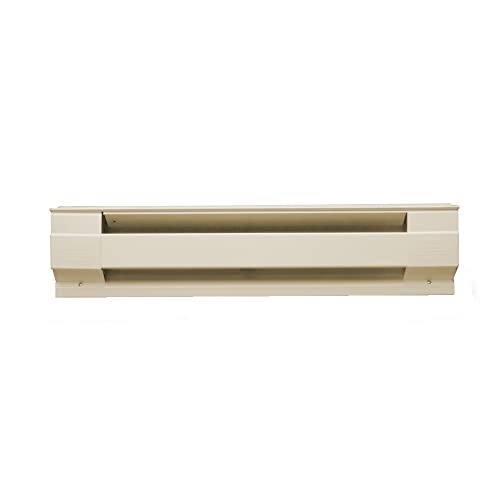
Model Details: 2F350A (Part 06501). Designed for 240/208 volt circuits with 350/263 watt output. The almond finish provides an alternative aesthetic for beige or off-white interiors.
Performance: The manufacturer indicates convection heating can help warm up to 50 square feet. Convection operation means quiet performance without fans, making it suitable for bedrooms or living spaces that require minimal noise.
Electrical & Safety: This is a hard-wired model that must be connected in accordance with local electrical codes. It is intended for inline or end-of-run wiring; check junction box access and wiring knockout placement when planning installation.
Marley 2542NW 240V 2′ Baseboard Heater
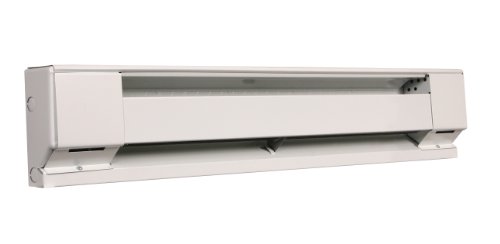
Design And Airflow: Marley’s 2-foot baseboard heater emphasizes natural convection to provide even heating from floor to ceiling. The convection approach avoids blower-driven air movement and associated dust circulation.
Installation Convenience: The heater includes a large wiring compartment, dual knockouts, and a built-in cable clamp to streamline wiring. These features can reduce installation time and simplify connection for electricians and DIY installers familiar with hard-wired baseboard units.
Call 888-896-7031 for Free Local HVAC Quotes – Compare and Save Today!
Application Notes: Best used where quiet, low-maintenance heating is preferred. Confirm voltage and breaker compatibility before installation. The model’s straightforward wiring layout can be advantageous when replacing older baseboard units or adding supplemental heat.
Cadet Single Pole Built-In Thermostat Kit
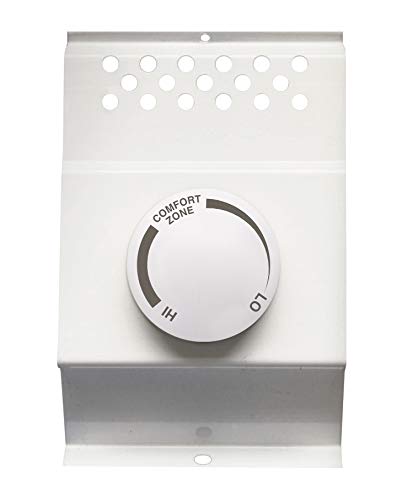
Compatibility And Function: Model BTF1W (Part 08732) is designed for Cadet F series baseboard heaters. It provides a built-in thermostat option with a temperature range from 45º to 80ºF and a large adjusting dial for manual setpoint control.
Electrical Rating: Rated at 22 amps and compatible with 240/208/120 volt systems. The kit mounts to either end of a Cadet F series heater, which can eliminate additional wiring to a remote thermostat location and simplify temperature control.
Installation Considerations: Since this is a heater-mounted thermostat, placement affects perceived room temperature; the thermostat reads temperature near the heater location. Use this kit for room-level control when local thermostat mounting is acceptable and compatible with the chosen Cadet baseboard model.
Baseboarders Premium Series 2 ft Cover With Endcaps

Purpose And Compatibility: This premium 2 ft galvanized steel slip-on cover is intended as a replacement cover for hydronic (water) baseboard heating systems and similar-sized profiles. The listing cautions against using these covers on electric baseboard heaters, so verify compatibility before purchasing.
Material And Warranty: The product emphasizes a powder-coated white finish and a lifetime warranty against rust for use in humid areas like bathrooms. It includes the 2 ft cover and left/right endcaps for a finished look.
Fit And Safety: The slip-on design simplifies cosmetic upgrades to older covers. Ensure measured dimensions and clearance match the existing back plate and heating element type to maintain safe operation and proper heat transfer.
Buying Guide: How To Choose A 24″ Electric Baseboard Heater
Choosing a 24-inch electric baseboard heater or accessory requires evaluating several technical and practical criteria. The sections below compare key perspectives to help match product attributes to room needs and installation constraints.
Wattage, Voltage And Room Size
- Wattage Matters: Baseboard heaters list wattage per unit. A 350W 24″ heater provides modest output suitable for small rooms or as supplemental heat. For full-room heating, calculate required BTUs or watts and consider multiple units or higher-watt models.
- Voltage Compatibility: Confirm whether the unit is rated for 240V or 208V (or 120V). Mismatched voltage can affect output and safety. Many 24″ units are designed for 240/208V circuits; check your home’s electrical panel.
- Coverage Estimates: Manufacturers sometimes indicate square-foot coverage (e.g., ~50 sq ft for a 350W unit). Use these numbers as guidelines and adjust for insulation, ceiling height, and window area.
Installation Type: Hard-Wired Versus Plug-In
- Hard-Wired Units: Most compact 24″ baseboards are hard-wired. These require circuit capacity review and possibly a licensed electrician. Hard-wired heaters are permanent and avoid exposed cords.
- Plug-In Units: Less common for fixed 24″ hard-wired-style baseboards. Plug-in models may be convenient for retrofit but check amperage limits and cord ratings.
- Wiring Access: Look for large wiring compartments and knockouts (like the Marley model) to ease wiring and compliance with code.
Thermostat Options And Control Strategies
- Built-In Thermostats: Heater-mounted thermostats provide localized control and remove the need for separate wall thermostats. Consider temperature sensing location since it may read near the heater rather than room center.
- Wall Thermostats: Wall-mounted thermostats require appropriate wiring and may be better for whole-room comfort balance. Evaluate whether the heater supports in-line wall thermostats.
- Two-Pipe Or Multi-Zone Considerations: For homes with multiple rooms, plan control zones to balance comfort and energy use. Multiple small units with localized thermostats can allow fine-grained control.
Construction, Finish, And Corrosion Resistance
- Material Choice: Steel construction is common and durable for residential use. Powder-coated finishes resist scuffs and provide aesthetic options like white or almond.
- Cover Compatibility: Replacement covers offer cosmetic upgrades and rust resistance. Confirm covers labeled for hydronic systems are not used on electric heaters unless explicitly stated safe to do so.
- Humidity And Location: For bathrooms or humid areas, choose covers or units with rust-resistant coatings and manufacturer warranties covering moisture environments.
Safety And Code Compliance
- Electrical Ratings: Verify ampere and voltage ratings align with circuit breakers and wiring sizes in the home (e.g., 15A, 20A circuits). Overloading a circuit is a common installation hazard.
- Local Codes: Confirm local building codes for spacing, clearances from furnishings, and required disconnects. Some jurisdictions require licensed electricians for hard-wired heater installations.
- Thermal Clearance: Maintain manufacturer-recommended clearances from curtains, furniture, and combustibles to prevent heat buildup and allow proper convection flow.
Performance Perspectives And Use Cases
- Supplemental Heat: Low-watt 24″ units work well as supplemental heat in small rooms, closets, or under a window where a compact heater is needed.
- Primary Heat In Small Spaces: For primary heating of small rooms, ensure cumulative wattage meets calculated heating load, or choose multiple units spaced for even distribution.
- Quiet Operation: Convection-only designs deliver heat quietly without fans, which suits bedrooms and reading nooks.
Accessory Selection: Thermostats And Covers
- Thermostat Selection: Heater-mounted thermostats simplify wiring but may not reflect overall room temperature. Wall thermostats provide centralized control but need wiring runs.
- Cover Selection: Replace or upgrade covers for aesthetics and corrosion protection. Always verify compatibility—some slip-on covers are intended for hydronic systems and are not safe on electric elements.
- Endcaps And Fit: Measure from finished floor to back plate and element depth to confirm proper cover fit. Many covers list required clearance ranges to ensure correct airflow.
When comparing units, weigh installation complexity, electrical compatibility, and control method alongside listed wattage and construction. For retrofit projects, measure existing backplates and junction access to choose a unit and accessories that match the current system while meeting local code requirements.
Tips for Getting the Best HVAC Prices
- Prioritize Quality Over Cost
The most critical factor in any HVAC project is the quality of the installation. Don’t compromise on contractor expertise just to save money. - Check for Rebates
Always research current rebates and incentives — they can significantly reduce your overall cost. - Compare Multiple Quotes
Request at least three estimates before making your choice. You can click here to get three free quotes from local professionals. These quotes include available rebates and tax credits and automatically exclude unqualified contractors. - Negotiate Smartly
Once you've chosen a contractor, use the proven strategies from our guide — How Homeowners Can Negotiate with HVAC Dealers — to get the best possible final price.