
Choosing the right 240V plug-in heater means matching power, installation style, and safety features to your space. The table below summarizes the five selected heaters from the list so you can compare at a glance.
| Product | Type / Mount | Power / Voltage | Key Feature |
|---|---|---|---|
| Barphygo 4800-Watt Electric Garage Heater | Ceiling Mount / Plug-In | 4800 W / 240V | Built-in Thermostat, Remote, ETL Listed |
| DR. INFRARED 3000W Infrared Heater | Ceiling/Wall Mount / Plug-In | 3000 W / 220-240V | Carbon Infrared Element, IP55 Outdoor Rated |
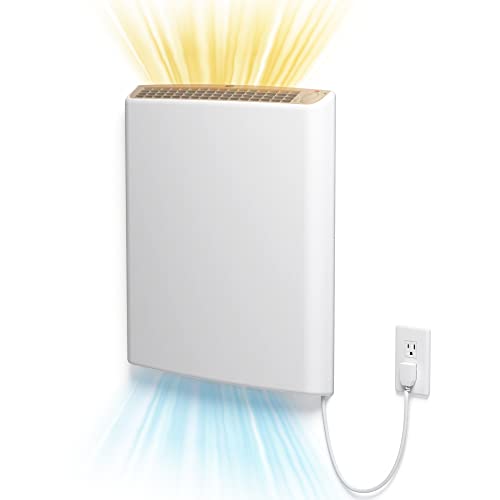
| ENVI Plug-In Electric Panel Wall Heater | Wall Panel / Plug-In | Low-Wattage / 120-240V variants | Fan-less, Quiet, Safety Sensor |
| Broan-NuTone 198 High Capacity Wall Heater | Wall Heater / Convertible Wiring | 4000 W at 240VAC (Convertible) | Downflow Louvers, Front Thermostat |
| Comfort Zone CZ225ER 6000W Ceiling Heater | Ceiling Mount / Hard-Wire (240V) | 6000 W / 240V | Digital Thermostat, Remote, Wide Distribution |
Content Navigation
Barphygo 4800-Watt 240V Plug-In Garage Heater

This unit Is Presented As A 4800-Watt, 240V plug-in fan-forced garage heater suitable for spaces up to ~400 square feet. The manufacturer lists a fast heating speed and a wide coverage area, with ETL certification for safety. A built-in thermostat and overheat protection are noted, plus an included full-function remote and an 8-hour timer for scheduled operation. The construction is described as heavy-duty steel with durable heating elements for long life. For plug-in users, the plug-style installation simplifies setup compared with hard-wired models, but ensure your outlet and circuit rating match the heater’s requirements.
DR. INFRARED 3000W 220-240V Infrared Heater
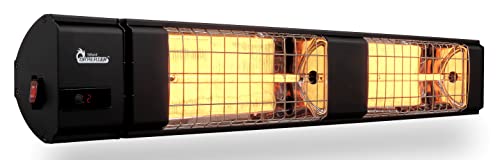
This model Uses a 3000W carbon infrared element and accepts 220–240V operation with a power plug included. The spec list highlights 10,260 BTU output and a weatherproof IP55 rating for outdoor or semi-exposed installs such as patios and some garages. The package includes mounting hardware for ceiling or wall installations and a remote for convenience. Infrared heating delivers radiant warmth to objects and people rather than only heating the air, which can be an advantage in drafty or partially open spaces. The plug-in design reduces installation complexity when an appropriate outlet is available.
ENVI Plug-In Electric Panel Wall Heater
Call 888-896-7031 for Free Local HVAC Quotes – Compare and Save Today!
The ENVI Panel Is Marketed As A plug-in wall panel with a fan-less, convection-based design that runs quietly and can operate 24/7. Its features emphasize low surface temperature operation (~90°F), a wall-sense safety sensor that disables power if the unit is removed, and minimal dust circulation due to the absence of fans. The product is positioned for energy-efficient targeted heating in occupied rooms and is described as easy to install, often achievable in minutes. Because it operates at low wattage, it’s best for supplementing heat or maintaining comfort in smaller areas rather than heating large garages.
Broan-NuTone 198 High Capacity Wall Heater (240V Option)
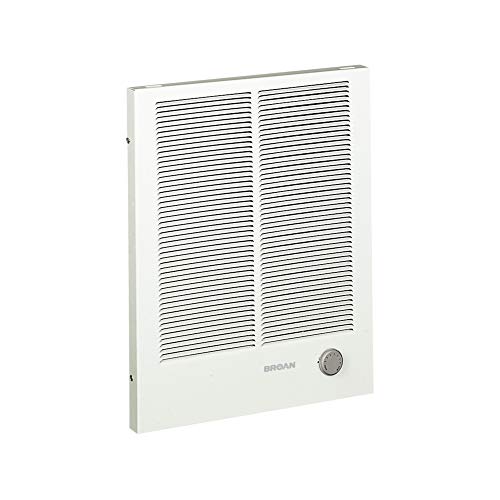
The Broan-NuTone 198 Is A high-capacity wall heater that operates at 4000W on 240VAC and can be converted to operate at lower power levels. It includes a front-mounted adjustable thermostat and a heavy-duty painted steel grille with downflow louvers to direct heat toward the floor. While many wall heaters are hard-wired in permanent installations, this model’s ability to work at 240V makes it a relevant option when converting a space for supplemental heating. Note that installation type (hard-wired vs. plug-in) depends on local wiring and the specific product variant or accessory chosen.
Comfort Zone CZ225ER 6000W 240V Ceiling Heater

The Comfort Zone CZ225ER Is Described As A 6,000W ceiling-mounted heater that requires a hard-wired 240V connection but is included here for comparison for larger 240V spaces. It features a digital thermostat, remote control, 12-hour timer, and adjustable airflow vents for broad distribution. Built from heavy gauge steel, it emphasizes durability and wide air distribution for workshops and garages. If your priority is higher wattage for a bigger area, this hard-wired unit illustrates trade-offs between professional installation and higher capacity versus plug-in convenience.
Buying Guide: How To Choose A 240V Plug-In Heater
Selecting the right 240V heater depends on functional needs, installation constraints, and safety requirements. Below are key considerations and comparison perspectives to guide your decision.
Call 888-896-7031 for Free Local HVAC Quotes – Compare and Save Today!
1. Power And Coverage
- Wattage / BTU: Higher wattage increases heat output; roughly 10 watts per square foot is a starting guideline for insulated spaces. Garages and workshops may require higher wattage due to poor insulation.
- Heat Type: Infrared (radiant) heaters warm people and objects directly and perform well in open or drafty spaces. Fan-forced heaters circulate warmed air and may heat the ambient air faster in enclosed spaces.
2. Installation Style
- Plug-In Vs Hard-Wired: Plug-in 240V units simplify installation if you have a compatible outlet. Hard-wired heaters often provide higher wattage options but usually require professional installation and a dedicated circuit.
- Mounting: Ceiling-mounted units free floor space and reduce obstruction, while wall panels and portable units can be easier to position for targeted heating.
3. Safety Features
- Overheat Protection & Thermal Cutoffs: Ensure the heater has automatic shutoffs for overheating.
- Certifications: Look for ETL/UL or equivalent listings for electrical safety compliance.
- Surface Temperatures & Guards: Panel heaters with lower surface temperatures or grills and louvers help reduce burn risks in occupied areas.
4. Controls And Convenience
- Thermostat & Remote: Built-in thermostats, digital controls, and remote operation improve comfort control and energy efficiency.
- Timers: Timers let you schedule operation and reduce runtime, useful for garages or workshops with intermittent use.
5. Efficiency And Operating Costs
- Match Heater To Task: Use lower-wattage, continuous panel heaters for supplemental heat and higher-wattage fan or infrared units for rapid temp gains or large spaces.
- Insulation Impacts: Poorly insulated spaces require more power and runtime; improving insulation can reduce heater size requirements and operating cost.
6. Environmental And Site Considerations
- Indoor vs Semi-Outdoor Use: For partially open garages or patios, choose weatherproof or outdoor-rated models (IP rating) and radiation-style heaters where appropriate.
- Noise And Air Quality: Fan-forced units produce airflow noise and circulate dust; fan-less convection panels operate silently and circulate less particulate.
7. Electrical Supply And Code
- Circuit Capacity: Verify your breaker, outlet, and wiring gauge are rated for the heater’s amperage. A 240V, 3000W device typically draws ~12.5A; larger units will require higher amp circuits.
- Permits And Professional Installation: Hard-wired and high-amperage installations may require permits and licensed electricians to meet local codes.
8. Comparison Perspectives
- Small Rooms / Supplemental Heat: Choose low-wattage panel heaters or ENVI-style fan-less units for silent, continuous heating.
- Garages And Workshops: Fan-forced 240V models or infrared fixtures provide quicker heating for larger, less-insulated spaces.
- Outdoor Or Semi-Open Areas: Prefer infrared, weatherproof rated units with mounting flexibility and plug-in convenience when available.
When comparing options, weigh the trade-offs between ease of plug-in installation and the higher capacity available from hard-wired systems. Verify electrical compatibility, prioritize certified safety features, and match the heater type to the physical environment for the best results.
Tips for Getting the Best HVAC Prices
- Prioritize Quality Over Cost
The most critical factor in any HVAC project is the quality of the installation. Don’t compromise on contractor expertise just to save money. - Check for Rebates
Always research current rebates and incentives — they can significantly reduce your overall cost. - Compare Multiple Quotes
Request at least three estimates before making your choice. You can click here to get three free quotes from local professionals. These quotes include available rebates and tax credits and automatically exclude unqualified contractors. - Negotiate Smartly
Once you've chosen a contractor, use the proven strategies from our guide — How Homeowners Can Negotiate with HVAC Dealers — to get the best possible final price.