
This guide compares popular 250 watt heaters and heat lamp bulbs for rooms, bathrooms, pet enclosures, and brooders. Below is a quick summary table of the five selected products that represent electric personal heaters, infrared heat lamps, and ceramic emitters suitable for different applications.
| Product | Type | Primary Use |
|---|---|---|
| Performance Tool W5011 250W Personal Space Heater | Electric Personal Heater | Small indoor spot heating |
| Philips BR40 Heat Lamp Lightbulb, 250W, Infrared | Infrared Heat Lamp Bulb | Bathroom, food service, pet warmth |
| Simple Deluxe 250W Ceramic Heat Emitter | Ceramic Heat Emitter (No Light) | Reptile terrariums, incubators, nocturnal pets |
| VORIGY 250W Heat Lamp Bulbs, R40, 4 Pack | Infrared Reflector Bulbs (Pack) | Chicken coops, outdoor shelters, multi-use |
| KOR 250R40/1 250W Incandescent R40 Reflector (Pack of 2) | Clear Heat Flood Bulbs (Pack) | Livestock, bathroom warmth, food warmers |
Content Navigation
- Performance Tool W5011 250W Personal Space Heater
- Philips BR40 Heat Lamp Lightbulb, 250W, Infrared
- Simple Deluxe 250W Reptile Ceramic Heat Emitter
- VORIGY 250W Heat Lamp Bulbs, R40, 4 Pack
- KOR 250R40/1 250W Incandescent R40 Reflector (Pack Of 2)
- Buying Guide: Choosing The Right 250 Watt Heater Or Heat Lamp
- Intended Use And Heat Distribution
- Light Emission: Visible Light Vs No Light
- Fixture Compatibility And Mounting
- Wattage, Coverage, And Distance
- Durability, Lifespan, And Replacement Strategy
- Energy Use And Running Costs
- Safety Features And Certifications
- Light Color And Animal Behavior
- Comparison Perspectives
- Practical Tips For Safe Use
Performance Tool W5011 250W Personal Space Heater

This unit Is A 250-Watt Personal Space Heater marketed for targeted room heating. It is designed for small spaces where localized warmth is needed without heating the entire room. The compact form factor is intended for desks, small offices, or bedside use.
Key practical points include simple plug-in operation and portability. As a rated 250W electric heater, it provides modest heat output appropriate for spot heating rather than whole-room climate control. Safety features and controls are typical design considerations for units in this class; verify included safety certifications and tip-over or overheat protection on the product page before use.
Philips BR40 Heat Lamp Lightbulb, 250W, Infrared

The Philips BR40 is an infrared 250W heat lamp in a BR40 flood form factor suitable for recessed fixtures and heat lamp sockets. The manufacturer notes energy-related estimates and recycled-material packaging, and positions the product for indoor warming applications.
Call 888-896-7031 for Free Local HVAC Quotes – Compare and Save Today!
This bulb uses infrared technology to emit radiant heat, making it suitable for bathroom warmth after showers, spot heating of food service stations, and providing comfort to pets. The BR40 form spreads heat across a wider area than narrow reflectors, useful where broader coverage is desired.
Simple Deluxe 250W Reptile Ceramic Heat Emitter

The Simple Deluxe 250W ceramic heat emitter provides continuous heat without visible light output, making it ideal for reptile terrariums, nocturnal pets, and incubating poultry where night-time light disruption is undesirable. The emitter fits standard E26 bases and is rated for a long lifespan.
Because ceramic emitters convert electrical energy to infrared heat without producing light, they are commonly recommended for maintaining stable nocturnal temperature gradients. The product’s long rated life (up to 30,000 hours per listing) emphasizes durability and continuous operation scenarios.
VORIGY 250W Heat Lamp Bulbs, R40, 4 Pack
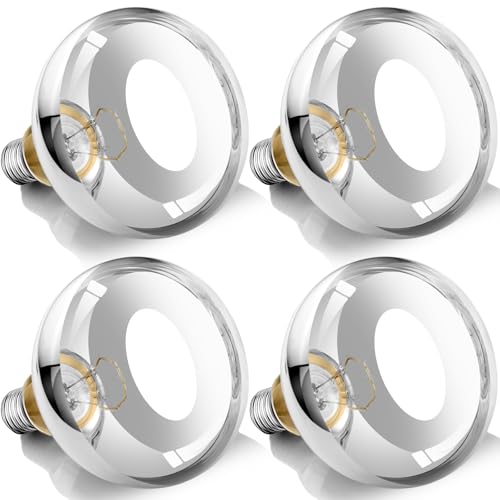
VORIGY supplies a 4-pack of 250W R40 heat lamps with quartz glass and an aluminum-coated reflective surface to improve heat distribution. The bulbs are rated for extended hours and promoted as shatter-resistant and suitable for outdoor or semi-outdoor environments like chicken coops.
Call 888-896-7031 for Free Local HVAC Quotes – Compare and Save Today!
The pack approach supports multi-fixture installations and rotation to extend service life across locations. Aluminum coating and reflector design aim to focus infrared output and reduce wasted light. Consider fixture compatibility (R40 size, E26 base, 120V) and any weatherproofing needs when using these bulbs outdoors.
KOR 250R40/1 250W Incandescent R40 Reflector (Pack Of 2)

The KOR 250R40/1 pack includes two clear R40 reflector heat flood bulbs rated for 120V and approximately 2,000 hours. The manufacturer promotes quick warm-up times and multi-application use for food warmers, bathroom heat, and animal care.
Clear reflector bulbs deliver immediate radiant heat and a visible light component, which can be useful where illumination is acceptable or desired. The 2-pack format fits users needing backups or coverage for multiple enclosures. Always check fixture ratings and distance guidelines to avoid localized overheating.
Buying Guide: Choosing The Right 250 Watt Heater Or Heat Lamp
Selection depends on the intended application, coverage area, safety requirements, and light vs. no-light needs. Below are key considerations and comparison perspectives to guide purchase decisions.
Intended Use And Heat Distribution
- Personal Spot Heating: Compact electric personal heaters at 250W provide targeted warmth for a single person or small area. They are best for desks or bedside zones rather than whole-room heating.
- Brooders And Livestock: R40 reflector bulbs and red brooder bulbs concentrate infrared heat for chicks and small livestock. Consider reflector shape and mounting for even coverage.
- Reptile And Amphibian Terrariums: Ceramic heat emitters offer heat without visible light, preserving nocturnal cycles. Use appropriate fixtures and thermal regulators to maintain gradients.
- Bathroom And Food Service: Flood-style BR40 or R40 bulbs provide both heat and light; use fixtures rated for heat lamps and follow electrical codes for wet locations.
Light Emission: Visible Light Vs No Light
Ceramic Emitters produce infrared heat without visible light — optimal for night-time warmth and animal welfare. Incandescent/R40/BR40 bulbs emit both heat and visible light, useful where illumination is acceptable or required.
Fixture Compatibility And Mounting
- Confirm base type (E26 medium screw is common) and bulb shape (R40, BR40) match your fixture.
- For high-heat bulbs, use fixtures rated for heat lamps and ensure adequate ventilation around sockets.
- Outdoor or coop installations should consider weatherproof housings and protective guards.
Wattage, Coverage, And Distance
A 250 watt bulb or heater produces significant localized warmth but limited area coverage. Placement distance controls surface temperature: closer equals hotter and smaller heated area. Use thermal sensors or thermometers to verify safe distances, especially near animals.
Durability, Lifespan, And Replacement Strategy
- Compare rated lifespans (hours). Ceramic emitters often list longer life than incandescent heat bulbs.
- Multipacks (2 or 4) help rotate bulbs and reduce downtime if replacements are needed.
- Quartz or shatter-resistant glass can increase outdoor durability.
Energy Use And Running Costs
While all listed items are rated at 250W, actual energy cost depends on usage hours and local electricity rates. For continuous operation (e.g., brooders), factor in cumulative hours and replacement cycles when comparing total cost of ownership.
Safety Features And Certifications
- Look for UL/ETL or other safety certifications for fixtures and bulbs intended for indoor or outdoor use.
- For portable heaters, confirm tip-over protection and thermal cut-off features when present.
- When heating animals, avoid exposed wiring, unstable mounts, or enclosures that concentrate heat dangerously. Use guards for bulbs where contact risk exists.
Light Color And Animal Behavior
Red heat bulbs are commonly used for livestock to minimize visible disturbance while providing heat. White or clear bulbs can alter animal behavior due to light exposure. Assess species-specific needs and circadian impacts.
Tips for Getting the Best HVAC Prices
- Prioritize Quality Over Cost
The most critical factor in any HVAC project is the quality of the installation. Don’t compromise on contractor expertise just to save money. - Check for Rebates
Always research current rebates and incentives — they can significantly reduce your overall cost. - Compare Multiple Quotes
Request at least three estimates before making your choice. You can click here to get three free quotes from local professionals. These quotes include available rebates and tax credits and automatically exclude unqualified contractors. - Negotiate Smartly
Once you've chosen a contractor, use the proven strategies from our guide — How Homeowners Can Negotiate with HVAC Dealers — to get the best possible final price.
Comparison Perspectives
- Coverage vs. Night Lighting: If you need visible illumination + heat, BR40/R40 bulbs provide both. For uninterrupted night cycles, choose ceramic emitters.
- Short-Term Spot Warmth vs. Continuous Habitat Climate: Portable 250W personal heaters are convenient for intermittent use. For continuous habitat heating, choose bulbs or emitters rated for long run-times and consider thermostats.
- Single Fixture vs. Multi-Fixture Installations: Multipacks (KOR, VORIGY) provide redundancy and coverage for multiple fixtures; ideal for coops or multi-enclosure setups.
Practical Tips For Safe Use
- Follow manufacturer mounting distances and wattage guidance for fixtures.
- Use grounded outlets and avoid overloading circuits when multiple 250W devices are used together.
- Monitor temperatures with digital thermometers to prevent overheating and stress to animals or materials.
- Replace bulbs proactively when approaching rated lifespan to avoid sudden failure in critical environments.