
Looking For A 25000 BTU Heater? This guide compares five widely available 25,000 BTU heaters across ventless infrared, vented direct-vent, convection, and freestanding fireplace styles. Below is a quick comparison table followed by concise product breakdowns and a practical buying guide to help match heating needs, safety, and installation constraints.
| Product | Type | Coverage | Fuel |
|---|---|---|---|
| ProCom ML250TPA-B | Ventless Infrared | Up To 1,150 Sq. Ft. | Liquid Propane |
| ProCom Freestanding Fireplace | Ventless Fireplace | Up To 1,100 Sq. Ft. | Propane |
| Comfort Glow 25,000 BTU | Direct Vent Wall Heater | Up To 825 Sq. Ft. | Natural Gas |
| Mr. Heater MH25CVX | Convection Propane Heater | Up To 625 Sq. Ft. | Propane |
| Ashley Hearth DVAG30N | Direct Vent Natural Gas | Up To 825 Sq. Ft. | Natural Gas |
Content Navigation
- ProCom ML250TPA-B Ventless Infrared Heater
- ProCom 25,000 BTU Ventless Freestanding Fireplace
- Comfort Glow 25,000 BTU Direct Vent Wall Heater
- Mr. Heater 25,000 BTU MH25CVX Convection Heater
- Ashley Hearth DVAG30N Direct Vent Natural Gas Heater
- Buying Guide: How To Choose A 25,000 BTU Heater
- 1. Match BTU To Space And Heat Distribution
- 2. Fuel Type And Availability
- 3. Venting And Indoor Air Quality
- 4. Safety Features And Certifications
- 5. Installation, Mounting, And Clearances
- 6. Application And Use Case
- 7. Operating Costs And Runtime
- 8. Maintenance And Durability
- 9. Legal And Code Considerations
- 10. Comparative Perspective: Efficiency Vs. Air Quality
ProCom ML250TPA-B Ventless Infrared Heater

This compact ventless infrared heater produces a maximum of 25,000 BTU using liquid propane and is designed to heat up to 1,150 sq. ft. The unit includes thermostat control with High/Medium/Low settings, allowing temperature modulation for different room sizes and comfort preferences. Installation options include wall mounting with included hardware or free-standing placement using base feet.
Key technical and usability notes based on the listing: the unit emphasizes a slim modern profile for residential spaces. As a ventless infrared model, it radiates heat directly to objects and people, which can be efficient for localized comfort. Thermostat control and multiple output settings support energy management and adaptive heating scenarios.
ProCom 25,000 BTU Ventless Freestanding Fireplace
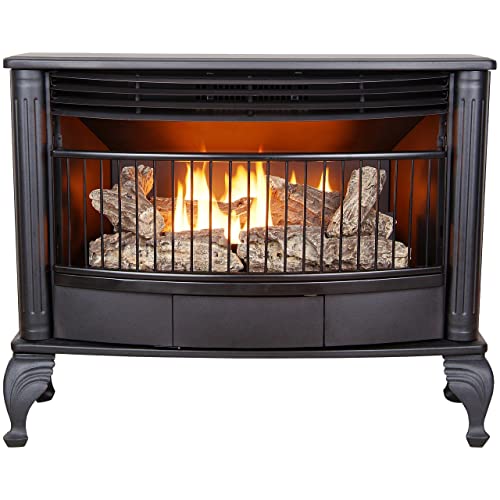
This ventless freestanding fireplace delivers 25,000 BTU and is rated to heat up to 1,100 sq. ft. It features decorative hand-painted logs and refractory ceramics to mimic a realistic flame aesthetic. The unit includes a thermostat with variable heat settings to customize warmth.
Call 888-896-7031 for Free Local HVAC Quotes – Compare and Save Today!
From a performance perspective, a ventless fireplace provides radiant and convective heat without a chimney. The listing highlights intricate detailing and materials intended for durability. Users should consider ventilation and indoor-air-quality implications of ventless appliances and follow local codes for indoor gas-burning units.
Comfort Glow 25,000 BTU Direct Vent Wall Heater

The Comfort Glow wall heater is a 25,000 BTU direct vent natural gas unit designed to heat up to 825 sq. ft. It uses a sealed burn system with matchless piezo ignition and a safety pilot with a built-in pressure regulator to stop gas flow if the pilot is extinguished.
Direct vent designs exhaust combustion gases outdoors and draw combustion air from outside, which improves indoor-air-quality compared with ventless units. The model emphasizes safety features and space-saving wall mounting. Dimensions and mounting footprint are provided for planning installation and clearances.
Mr. Heater 25,000 BTU MH25CVX Convection Heater
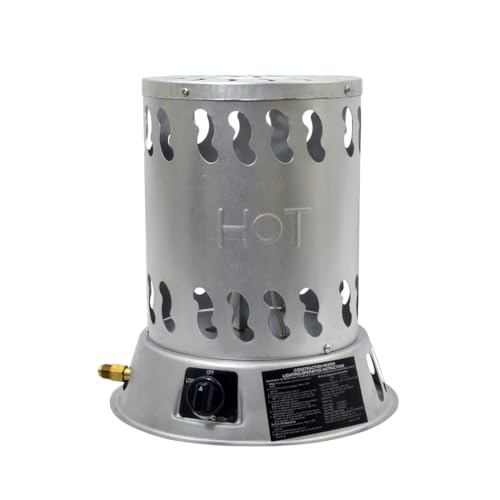
The Mr. Heater MH25CVX is a convection propane heater delivering 25,000 BTU and rated to heat approximately 625 sq. ft. It operates without electricity, including a standing pilot light and a thermo-electric safety valve that shuts off gas if the flame goes out. A 10 ft propane hose, regulator, and P.O.L. tank connection are included for setup.
Call 888-896-7031 for Free Local HVAC Quotes – Compare and Save Today!
This model targets construction sites, garages, and other unconditioned or semi-conditioned spaces. As a convection heater, it warms air that circulates within the space, effective for whole-area heating in taller or open volumes. The listing notes runtime on a standard 20 lb propane tank and emphasizes portability and simple setup.
Ashley Hearth DVAG30N Direct Vent Natural Gas Heater

The Ashley Hearth DVAG30N is a direct vent natural gas heater that inputs up to 25,000 BTU and is designed to heat up to 825 sq. ft. The sealed burn system is highlighted for suitability in bedrooms and living spaces, as combustion byproducts do not enter the room air.
Direct vent units are commonly chosen where indoor-air-quality and sealed-combustion safety are priorities. The listing indicates the product is optimized for residential living areas. Installation requires appropriate venting to the exterior and compliance with local codes.
Buying Guide: How To Choose A 25,000 BTU Heater
Selecting the right 25,000 BTU heater depends on space, fuel availability, ventilation, installation constraints, and safety priorities. Below are practical factors and comparison perspectives to guide a purchase.
1. Match BTU To Space And Heat Distribution
- Square Footage Estimates — Manufacturers provide coverage estimates; 25,000 BTU can range from ~600 to 1,150 sq. ft. depending on heater type and building insulation.
- Heat Style — Infrared/ventless radiates directly to objects and occupants; convection heats air for whole-room circulation; direct vent provides sealed combustion and consistent indoor-air-quality.
2. Fuel Type And Availability
- Natural Gas — Requires a gas line but generally cheaper per BTU and suitable for anchored wall or vented units.
- Propane (LP) — Portable options use tanks; suitable for garages, job sites, and locations without natural gas hookups.
3. Venting And Indoor Air Quality
- Ventless/Unvented Units — No exhaust to outdoors; efficient at delivering heat but increase moisture and combustion byproducts in the occupied space. Check local codes and carbon monoxide/oxygen-depletion safety features.
- Direct Vent & Vented Units — Exhausts combustion byproducts outdoors, improving indoor-air-quality and making them preferable for bedrooms and sealed living spaces.
4. Safety Features And Certifications
- Sealed Combustion — Direct vent and some sealed-burn units prevent indoor exposure to exhaust.
- Thermostatic Control — Built-in thermostats and variable settings improve comfort and reduce fuel waste.
- Safety Shutoffs — Oxygen depletion sensors (ODS), flame failure devices, and pressure regulators are essential for ventless and portable heaters.
- Certifications — Look for CSA or other recognized safety certifications when available.
5. Installation, Mounting, And Clearances
- Wall-Mounted Models — Require secure mounting and adherence to clearance specifications; often used for permanent residential installations.
- Freestanding/Portable Units — Offer flexible placement but need adequate clearance and stable placement to prevent tipping.
- Venting Requirements — Direct vent units require routed venting to the exterior and possibly professional installation to meet code.
6. Application And Use Case
- Residential Living Spaces — Direct vent or sealed-burn units are typically preferable for bedrooms and enclosed living areas.
- Workspaces, Garages, Job Sites — Convection propane heaters and portable models meet needs for intermittent, robust heating without central systems.
- Decorative And Ambience — Freestanding ventless fireplaces prioritize appearance as well as warmth; consider ventilation when used long-term.
7. Operating Costs And Runtime
- Fuel Efficiency — Compare how much heat is delivered per unit of fuel and whether the unit has thermostatic modulation to avoid continuous full-power operation.
- Propane Tank Runtime — Portable propane units often list runtime on a 20 lb tank; factor in expected usage patterns to estimate refills.
8. Maintenance And Durability
- Cleaning Requirements — Ventless units may require periodic cleaning of burners and logs; direct vent units require vent inspection.
- Material And Build — Refractory ceramics and durable enclosures extend service life for decorative fireplace units.
9. Legal And Code Considerations
- Local Codes — Some municipalities restrict ventless gas appliances or require specific clearances and permits. Verify local regulations before purchase.
- Home Type — Multi-family buildings or tightly sealed construction may limit acceptable ventless appliance use.
10. Comparative Perspective: Efficiency Vs. Air Quality
- Ventless Units — Often more efficient at turning fuel into room heat but can alter indoor humidity and combustion gas levels.
- Vented/Direct Vent Units — Slightly less “room-side” efficiency but superior for long-term indoor-air-quality and suitability in bedrooms and occupied living spaces.
Use this guide to align product features—such as thermostat control, sealed burn systems, portability, and decorative elements—with your priority: coverage area, fuel type, ventilation, and safety. Always follow manufacturer installation instructions and local code requirements when installing gas-powered heaters.
Tips for Getting the Best HVAC Prices
- Prioritize Quality Over Cost
The most critical factor in any HVAC project is the quality of the installation. Don’t compromise on contractor expertise just to save money. - Check for Rebates
Always research current rebates and incentives — they can significantly reduce your overall cost. - Compare Multiple Quotes
Request at least three estimates before making your choice. You can click here to get three free quotes from local professionals. These quotes include available rebates and tax credits and automatically exclude unqualified contractors. - Negotiate Smartly
Once you've chosen a contractor, use the proven strategies from our guide — How Homeowners Can Negotiate with HVAC Dealers — to get the best possible final price.