
Looking For A Reliable 35,000 BTU Electric Heater? This Guide Compares Popular Pool Heat Pumps And Comparable Options That Advertise 35,000 BTU Output. Below Is A Quick Summary Table Of The Selected Models To Help You Scan Key Specs Quickly.
| Product | Type | Coverage / Pool Size | Notable Feature |
|---|---|---|---|
| FibroPool FH135 | Electric Pool Heat Pump | Up To 7,500 Gal (Inground) / 18 ft Above Ground | High-Efficiency Titanium Heat Exchanger |
| AQUASTRONG Inverter 35,000 BTU | Inverter Pool Heat Pump | Up To 9,000 Gal | Wi‑Fi App Control, Heating & Cooling Modes |
| Varpoolfaye 35,000 BTU | Electric Pool Heat Pump | Up To 10,000 Gal | Ultra-Quiet Operation, App Control |
| MICOE 35,000 BTU | Inverter Pool Heat Pump | Up To 12,000 Gal (24 ft) | Saltwater-Compatible Titanium Exchanger |
| Mr. Heater MH35FA | Propane Forced-Air Heater | Heats Up To ~800 Sq Ft (Not Pool Use) | Portable Forced-Air Workspace Heater |
Content Navigation
- FibroPool FH135 35,000 BTU Electric Heat Pump
- AQUASTRONG Inverter 35,000 BTU Pool Heat Pump
- Varpoolfaye 35,000 BTU Pool Heat Pump
- MICOE 35,000 BTU Inverter Pool Heater
- Mr. Heater MH35FA 35,000 BTU Propane Forced-Air Heater
- Buying Guide: Choosing The Right 35,000 BTU Heater
- 1. Confirm Heater Type And Intended Use
- 2. Match Capacity To Pool Or Space
- 3. Consider Climate And Operating Range
- 4. Energy Efficiency And COP
- 5. Heat Exchanger Material And Corrosion Resistance
- 6. Noise, Installation Location, And Clearances
- 7. Controls, Connectivity, And Scheduling
- 8. Maintenance And Serviceability
- 9. Safety And Local Codes
- 10. Comparing Multiple Perspectives
FibroPool FH135 35,000 BTU Electric Heat Pump

Type: All‑electric pool heat pump using ambient air heat transfer. Compatibility: Recommended for inground pools up to 7,500 gallons and certain above ground layouts.
Key Features: Powered by clean electricity, the FH135 moves heat from the air into pool water rather than burning fuel. The unit uses high‑pressure differential compressors and a titanium heat exchanger for corrosion resistance and long life. Manufacturer guidance suggests best performance in humid climates down to about 50°F.
Performance Considerations: As with other heat pumps, effectiveness depends on ambient air temperature and pool cover usage. The FH135 prioritizes energy efficiency and ease of maintenance for seasonal extension.
AQUASTRONG Inverter 35,000 BTU Pool Heat Pump

Call 888-896-7031 for Free Local HVAC Quotes – Compare and Save Today!
Type: Inverter-driven electric pool heat pump with heating and cooling modes. Compatibility: Rated for pools up to ~9,000 gallons.
Key Features: Dual-mode heating and cooling (heating 47–104°F, cooling 47–83°F). Full DC variable frequency inverter provides adaptive power, claiming high COP and energy savings versus resistive or gas heating. Includes Wi‑Fi app control and programmable timer for remote scheduling and monitoring.
Performance Considerations: Inverter technology often delivers smoother temperature control and improved part-load efficiency. Users should note recommended ambient operating ranges and pre-heat scheduling to reach target temperatures efficiently.
Varpoolfaye 35,000 BTU Pool Heat Pump

Type: Electric pool heat pump with app control and defrosting. Compatibility: Suitable for pools up to ~10,000 gallons.
Key Features: Titanium spiral heat exchanger and app-based temperature control for heating between 59–104°F and cooling between 45–86°F. The unit highlights ultra-quiet operation down to about 53 dB and an automatic defrost cycle for colder conditions.
Call 888-896-7031 for Free Local HVAC Quotes – Compare and Save Today!
Performance Considerations: Low-noise operation supports residential installations near living spaces. As with similar heat pumps, ambient conditions drive performance; automatic defrost helps operation in cooler climates but reduces net heating output while active.
MICOE 35,000 BTU Inverter Pool Heater
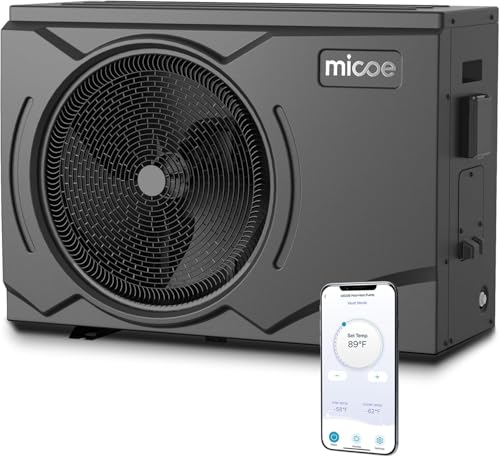
Type: Inverter electric pool heat pump for above ground and inground pools. Compatibility: Designed for pools up to 12,000 gallons (models list 8–24 ft sizes).
Key Features: 35,000 BTU capacity with a corrosion‑resistant titanium heat exchanger compatible with filtered saltwater. Operating range extends into lower temperatures (down to 32°F operational limit per listing) and includes auto‑defrost. App scheduling and control panel enable timed starts and temperature tracking.
Performance Considerations: Unit emphasizes large heating capacity for bigger pools and saltwater compatibility. Starting the unit 12 hours ahead of desired swim time is recommended for optimal results in colder conditions.
Mr. Heater MH35FA 35,000 BTU Propane Forced-Air Heater

Type: Propane forced-air space heater, not an electric pool heater. Compatibility: Designed for small industrial and commercial spaces, typically up to ~800 sq ft.
Key Features: Produces 35,000 BTU of forced hot air, runs for extended periods on fuel, and is built for quick warm-up in ventilated work areas. The unit is portable and intended for temporary jobsite heating.
Performance Considerations: This model uses propane fuel and is not suitable for pool water heating. It is included to illustrate differences between forced-air fuel heaters and electric heat pumps that transfer ambient heat to water.
Buying Guide: Choosing The Right 35,000 BTU Heater
Selecting The Best 35,000 BTU Heater Depends On Application, Fuel Type, Climate, And Site Constraints. Below Are Key Considerations To Evaluate Before Purchase.
Tips for Getting the Best HVAC Prices
- Prioritize Quality Over Cost
The most critical factor in any HVAC project is the quality of the installation. Don’t compromise on contractor expertise just to save money. - Check for Rebates
Always research current rebates and incentives — they can significantly reduce your overall cost. - Compare Multiple Quotes
Request at least three estimates before making your choice. You can click here to get three free quotes from local professionals. These quotes include available rebates and tax credits and automatically exclude unqualified contractors. - Negotiate Smartly
Once you've chosen a contractor, use the proven strategies from our guide — How Homeowners Can Negotiate with HVAC Dealers — to get the best possible final price.
1. Confirm Heater Type And Intended Use
- Pool Heat Pump (Electric): Transfers heat from air into water. Best For Extending Swim Season Efficiently; Performance Depends On Ambient Air Temperature.
- Forced-Air Fuel Heater (Propane/Natural Gas): Produces hot air for shop or space heating. Not Designed For Heating Pool Water.
- Electric Resistance Heaters: Provide direct heat but are usually far less efficient for pool heating compared to heat pumps; also rarer at 35,000 BTU in consumer lists.
2. Match Capacity To Pool Or Space
- For Pool Heating, Use Manufacturer Capacity Guidelines (Gallons Or Pool Dimensions). A 35,000 BTU Heat Pump May Suit Pools From ~7,500 To 12,000 Gallons Depending On Climate And Cover Usage.
- For Space Heating, Compare BTU Output With The Volume Of The Area (Square Footage And Ceiling Height) And Insulation Levels.
3. Consider Climate And Operating Range
- Heat Pumps Rely On Ambient Air Temperature — Performance Drops As Air Temperature Falls. Look For Models With Defrost Function And Lower Operating Limits If You Live In Cool Climates.
- In Dry, Cold Climates, Gas Heaters Or Dedicated Pool Gas Heaters May Heat Faster At Low Ambient Temperatures.
4. Energy Efficiency And COP
- COP (Coefficient Of Performance): Indicates How Many Units Of Heat Are Produced Per Unit Of Electrical Input. Higher COP Means Better Efficiency.
- Inverter Heat Pumps Provide Variable Output And Tend To Maintain Efficient Operation Across Load Conditions.
5. Heat Exchanger Material And Corrosion Resistance
- Titanium Heat Exchangers Offer Strong Corrosion Resistance And Are Preferred For Saltwater Pools.
- Check Compatibility With Chlorinated Or Saltwater Systems To Avoid Premature Corrosion.
6. Noise, Installation Location, And Clearances
- Consider Noise Levels And Proximity To Living Spaces; Some Models Advertise Low dB Operation.
- Follow Manufacturer Clearance Requirements For Airflow And Service Access.
- Placement Near Pool Equipment Pad With Proper Mounting And Vibration Isolation Improves Longevity.
7. Controls, Connectivity, And Scheduling
- Wi‑Fi App Control And Programmable Timers Allow Remote Setback And Pre‑Heating — Useful For Energy Management.
- Smart Controls Can Schedule Operation To Take Advantage Of Lower Electricity Rates When Available.
8. Maintenance And Serviceability
- Look For Accessible Filters, Clear Service Panels, And Readily Available Replacement Parts.
- Regular Maintenance Includes Checking Refrigerant Circuit Integrity, Cleaning Coils, And Verifying Defrost Operation When Applicable.
9. Safety And Local Codes
- Ensure Compliance With Local Electrical Codes For High‑Voltage Equipment; Professional Installation Is Often Required For Larger Pool Heat Pumps.
- For Propane Or Natural Gas Options, Follow Ventilation, Fuel Storage, And Combustion Safety Requirements.
10. Comparing Multiple Perspectives
- Upfront Cost Vs Operational Cost: Inverter heat pumps may cost more initially but lower lifetime energy usage compared to resistive heaters or gas in some regions.
- Environmental Impact: All‑electric heat pumps produce no on‑site combustion emissions and can be paired with renewable electricity for lower carbon footprint.
- Performance Tradeoffs: Gas heaters heat water faster at very low ambient temps but have higher fuel costs and emissions; electric heat pumps are more efficient in moderate climates.