
Short Guide: Choosing a 6-foot patio heater depends on fuel type, coverage, portability, and weather resistance. Below is a quick comparison of selected models to help match features to your outdoor heating needs.
| Product | Type | Key Feature |
|---|---|---|
| Heliosa 66 Black Infrared Electric | Electric Wall/Surface | IPX5 Water Resistant, Reduced Glare |
| EAST OAK 50,000 BTU Patio Heater | Propane Free-Standing | 50,000 BTU, Double-Layer Burner, Wheels |
| Pamapic 48,000 BTU Pyramid Heater | Propane Pyramid | Variable Heat, Tip-Over Safety, Cover Included |
| Dr Infrared DR-238 Carbon Infrared | Electric Infrared | IP55 Rated, 3 Power Settings, Remote |
| GasSaf 6FT Natural Gas Hose | Accessory Hose | 6-Foot Length, 3/8″ ID, Quick Connect |
Content Navigation
Heliosa 66 Black Infrared Electric Outdoor Patio Heater

Type: Electric infrared wall/surface heater. Power: 1500W. The Heliosa 66 is designed for instant radiant warmth with a plug-in cord and inline switch for easy setup. Its IPX5 rating indicates water resistance suitable for many outdoor installations where exposure to rain is possible.
The unit uses a high-intensity halogen element behind heat-resistant black safety glass to reduce red glare while delivering focused radiant heat. Because it’s wall-mounted, it’s a space-saving option that directs heat to a specific seating area rather than heating an entire yard. Installation requires a solid mounting surface and proximity to a 120V outlet. The manufacturer emphasizes quick activation and outdoor durability compared to low-cost alternatives.
EAST OAK 50,000 BTU Patio Heater With Round Table

Type: Propane standing heater. Heat Output: 50,000 BTU, intended to warm large areas up to roughly a 20-foot diameter from the unit’s position. The model features a double-layer 304 stainless steel heating mesh and a reflector shield split into three pieces for easier assembly.
Call 888-896-7031 for Free Local HVAC Quotes – Compare and Save Today!
This heater includes wheels for mobility and is presented for both residential and commercial outdoor settings. The double-layer mesh is marketed as increasing durability and life expectancy compared to single-layer burners. Assembly time is noted as approximately 30 minutes with some pre-assembled components. Being a tall standing unit, it functions similarly to a traditional 6-foot patio heater in footprint and coverage.
Pamapic 48,000 BTU Pyramid Flame Patio Heater

Type: Propane pyramid-style heater. Heat Output: 48,000 BTU. The Pamapic model uses a visible flame through a quartz glass tube for radiant ambiance and warmth, with a stainless steel structure and integrated wheels for relocation.
The unit offers a variable heat setting via a built-in control valve and includes a tip-over protection safety valve that automatically shuts off the gas if the heater tilts. A fitted cover is supplied for weather protection when not in use. The design enables easy access to the 20 lb propane tank and is appropriate for homeowners seeking both heat and visual flame presence in outdoor spaces.
Dr Infrared DR-238 Carbon Infrared Outdoor Heater
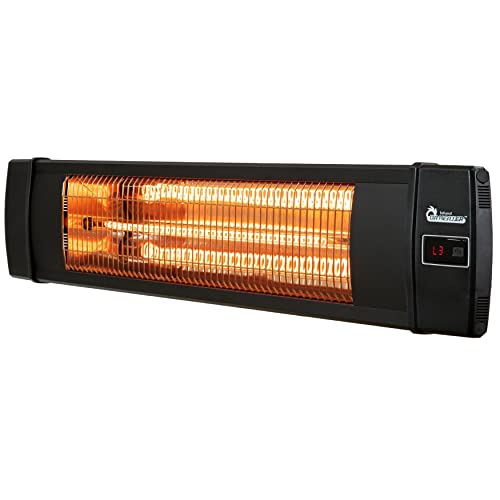
Type: Electric carbon infrared heater for indoor and outdoor use. The DR-238 offers three power settings (900W, 1200W, 1500W) and operates on standard 120V power. It is rated IP55 for outdoor durability and includes remote control functionality.
Call 888-896-7031 for Free Local HVAC Quotes – Compare and Save Today!
This heater emphasizes clean, instantaneous, and odorless infrared warmth. Its adjustable power levels let users balance energy use versus heat output. Because it’s intended for both indoor and outdoor environments, it can serve mounted applications such as patios, restaurants, or covered decks where a tall freestanding unit is impractical.
GasSaf 6FT 3/8″ ID Natural Gas Hose
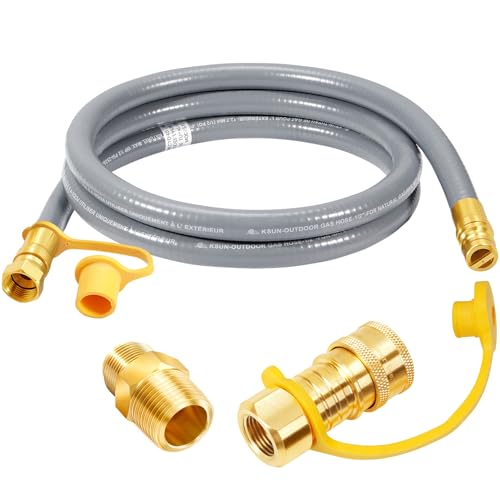
Type: 6-foot natural gas hose with quick-connect fittings. This accessory is intended for connecting natural gas patio heaters, grills, and fire pits to a low-pressure gas source. The hose has a 3/8-inch inner diameter for steady flow and includes adapter fittings for compatibility with common outdoor appliances.
Designed for versatility, the hose lists compatibility with brands like Weber and Blackstone and emphasizes stable, secure connections. For homeowners converting from propane to natural gas or installing a fixed gas heater, a CSA-certified 6-foot hose can simplify placement while meeting local code and safety requirements when installed correctly.
Buying Guide: Choosing The Right 6ft Patio Heater
Selecting a 6-foot or similar-sized patio heater requires comparing fuel, coverage, installation, and safety. Below are key considerations to determine which model fits your outdoor space.
Tips for Getting the Best HVAC Prices
- Prioritize Quality Over Cost
The most critical factor in any HVAC project is the quality of the installation. Don’t compromise on contractor expertise just to save money. - Check for Rebates
Always research current rebates and incentives — they can significantly reduce your overall cost. - Compare Multiple Quotes
Request at least three estimates before making your choice. You can click here to get three free quotes from local professionals. These quotes include available rebates and tax credits and automatically exclude unqualified contractors. - Negotiate Smartly
Once you've chosen a contractor, use the proven strategies from our guide — How Homeowners Can Negotiate with HVAC Dealers — to get the best possible final price.
Fuel Type And Convenience
- Propane: Portable, high heat output (40k–50k BTU typical). Requires tank storage and periodic replacements. Good for open yards and flexible placement.
- Natural Gas: Consistent supply if you have a line; no tank changes. Usually requires a fixed hose and professional hookup for safety.
- Electric/Infrared: Requires power outlet. Offers instant, odorless heat and often lower maintenance. Best for covered patios or areas with accessible power.
Heat Output And Coverage
- BTU Rating: Higher BTU (30k–50k) typically warms larger areas but consumes more fuel.
- Infrared vs. Convective: Infrared heaters warm people and objects directly; they work well in semi-open and breezy areas. Convective heaters (flame/burner types) warm air and can be better for enclosed spaces.
- Reflectors and Design: Reflector shape and height determine direction and spread of heat. Pyramid and mushroom styles offer different coverage footprints.
Placement, Footprint, And Portability
- Freestanding Tall Units: Provide broad coverage; consider stability, base width, and foot traffic when placing.
- Wall/Ceiling Mounted: Save floor space and reduce tipping risk; must be mounted securely and near an outlet for electric models.
- Mobility: Wheels simplify repositioning. Check tank access and how easy assembly or disassembly is for storage.
Durability And Weather Resistance
- IP Ratings: For electric heaters, an IPX5 or IP55 rating indicates water resistance suitable for outdoor use. Confirm intended mounting location and exposure to elements.
- Materials: 304 stainless steel and powder-coated metals resist rust and increase longevity in outdoor conditions.
- Covers: A fitted cover protects components between uses and extends service life.
Safety Features
- Tip-Over Protection: Many tall propane units include an automatic shut-off valve when tilted.
- Overheat/Automatic Shutoff: Useful on electric models or units with electronic controls.
- Clearance Requirements: Ensure clearance from walls, ceilings, and flammable materials per manufacturer instructions.
Installation And Maintenance
- Assembly: Check if partial assembly is required and whether tools are included. Reflector assembly can be the most time-consuming step on standing models.
- Gas Lines And Hoses: For natural gas hookups, use certified hoses (like the 6ft GasSaf) and follow local codes. Propane tanks require periodic replacement and secure mounting.
- Cleaning: Keep reflectors and protective glass/tubes free of debris. Inspect burners and connections regularly for safety.
Comfort And Aesthetics
- Visible Flame vs. Infrared Glow: Flame-style heaters provide ambiance; infrared units prioritize discreet warmth with reduced glare.
- Noise: Propane burners may produce low-level sound; electric heaters are generally quiet.
- Design: Choose finishes and shapes that match your patio decor and functional needs.
Comparison Perspectives
- Cost of Operation: Natural gas tends to be cheaper per hour than propane; electric costs depend on local electricity rates and chosen power level.
- Performance in Wind: Infrared units perform better in breezy settings because they heat objects rather than air. Flame-based units can lose efficiency in strong wind without windbreaks.
- Commercial vs. Residential: Commercial venues typically require ETL/CSA certifications and robust construction; check product listings for commercial ratings.