
Finding the right 8 ft baseboard heater or cover depends on whether you need an electric unit for room heating or a cover for hydronic (hot water) systems. Below is a quick comparison of the top picks that match typical 8-foot installations, followed by detailed product sections and a buying guide to help you decide.
| Product | Type | Key Feature |
|---|---|---|
| Cadet F Series 96″ Electric Baseboard Heater | Electric Heater (8 ft) | 2500/1875 Watts, 240/208V, safety shutoff |
| EZ Snap Covers 9 Foot White Standard Height | Hydronic Baseboard Cover (approx 8–9 ft) | 20 gauge galvanized steel, rustproof, quick install |
| EZ Snap Covers 10 Foot White Standard Height | Hydronic Baseboard Cover (10 ft option) | Thicker steel, coupler for longer lengths |
| Baseboarders Basic Series 6 ft Galvanized Cover | Hydronic Cover (6 ft panel) | Slip-on, lifetime rust protection (hydronic only) |
| 6ft Steel Easy Slip-On Baseboard Heater Cover (SDSNTE) | Hydronic Cover (6 ft) | 21-gauge steel, single-panel for airflow |
Content Navigation
- Cadet F Series 96″ Electric Baseboard Heater (8F2500W)
- EZ Snap Covers 9 Foot White Standard Height Baseboard Cover
- EZ Snap Covers 10 Foot White Standard Height Baseboard Cover
- Baseboarders Basic Series 6 ft Galvanized Slip-On Cover
- 6ft Steel Easy Slip-On Baseboard Heater Cover (SDSNTE)
- Buying Guide: How To Choose An 8 Ft Baseboard Heater Or Cover
- 1. Determine System Type
- 2. Match Length And Height
- 3. Heating Capacity And Room Size (For Electric Units)
- 4. Materials And Corrosion Resistance
- 5. Safety And Code Considerations
- 6. Installation And Hardware
- 7. Aesthetics And Room Integration
- 8. Durability, Warranty, And Manufacturer Claims
- 9. Performance Trade-Offs
- 10. Multiple Comparison Perspectives
Cadet F Series 96″ Electric Baseboard Heater (8F2500W)

The Cadet F Series 96″ is a full-length electric baseboard heater designed to deliver strong heat output for medium to large rooms. Listed as 2500/1875 Watts at 240/208 Volts, it provides significant heating capacity. The model includes universal wiring and pre-punched knockouts spaced at 1-inch intervals, which simplifies wall or floor mounting and reduces installation labor.
Safety features include a high-temperature shutoff to prevent overheating, and the heater is finished in white powder coat steel for durability. The unit is all-metal construction and intended for fixed installation with appropriate wiring and thermostat control. This product is specifically an electric baseboard heating element, not a decorative cover.
EZ Snap Covers 9 Foot White Standard Height Baseboard Cover

The EZ Snap 9 Foot kit is a hydronic baseboard cover designed to fit about 95% of existing hot water baseboard radiator heaters. Constructed from 20-gauge galvanized steel with a white epoxy powder coat, the cover is corrosion-resistant and claimed to be thicker than many competitors. The kit includes closed end caps and mounting brackets.
Call 888-896-7031 for Free Local HVAC Quotes – Compare and Save Today!
Installation is intended to be quick—no power tools required—and lengths over 8 feet include a coupler to join panels. The product is marketed for hydronic systems only and focuses on restoring a clean appearance while maintaining airflow around the finned heating element. This is a cover, not a heating element.
EZ Snap Covers 10 Foot White Standard Height Baseboard Cover
The EZ Snap 10 Foot version offers the same construction and finish as the 9-foot option but sized for longer runs. Like the 9-foot kit, it uses 20-gauge galvanized steel with a white epoxy finish and includes end caps and brackets. Panels over 8 feet come with a coupler to join sections and create a continuous cover.
This model targets homeowners with longer hydronic baseboard sections who want a rust-resistant, thicker steel cover that installs quickly. It preserves convective flow and protects the internal fins while improving the visual appearance of older hydronic baseboards.
Baseboarders Basic Series 6 ft Galvanized Slip-On Cover
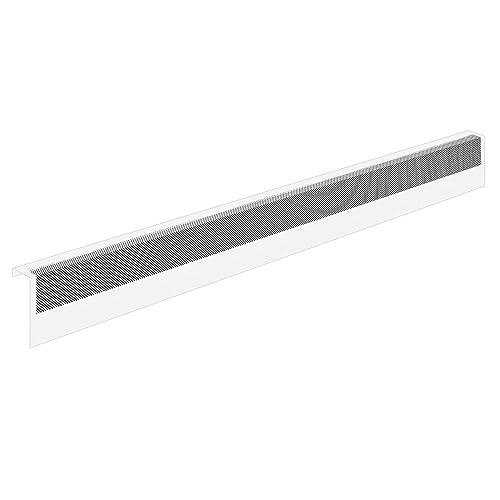
The Baseboarders Basic Series 6 ft cover is a slip-on panel meant for hydronic (water) baseboard systems. The model is supplied as a 6-foot unit and is intended as a direct replacement for rusted or damaged covers. The manufacturer highlights a lifetime protection guarantee against rust and normal use when used as intended.
Call 888-896-7031 for Free Local HVAC Quotes – Compare and Save Today!
Note: This product is specifically for hydronic systems and should not be used on electric baseboard heaters. It is a simple, no-frills cover in a white finish that accommodates common baseboard dimensions and can be paired with accessories to complete a room look.
6ft Steel Easy Slip-On Baseboard Heater Cover (SDSNTE)

The SDSNTE 6 ft slip-on cover is designed to replace aged hydronic baseboard covers and improve both safety and appearance. Built from 21-gauge steel with a white stoving varnish and 16-gauge end caps, the unit is positioned as durable and rust-resistant. Single-panel construction supports airflow while discouraging direct contact with internal heating elements.
This cover is aimed at DIY replacements for hydronic systems and emphasizes dimensions: the product is suitable when heater length is less than 6 ft and specified height and width limits are met. It is not an electric heater and should not be used to cover electric baseboard units unless the manufacturer indicates compatibility.
Buying Guide: How To Choose An 8 Ft Baseboard Heater Or Cover
This guide covers key considerations when selecting either an 8 ft electric baseboard heater or a cover for an 8-foot hydronic run. Pay attention to compatibility, size, safety, materials, and installation requirements.
Tips for Getting the Best HVAC Prices
- Prioritize Quality Over Cost
The most critical factor in any HVAC project is the quality of the installation. Don’t compromise on contractor expertise just to save money. - Check for Rebates
Always research current rebates and incentives — they can significantly reduce your overall cost. - Compare Multiple Quotes
Request at least three estimates before making your choice. You can click here to get three free quotes from local professionals. These quotes include available rebates and tax credits and automatically exclude unqualified contractors. - Negotiate Smartly
Once you've chosen a contractor, use the proven strategies from our guide — How Homeowners Can Negotiate with HVAC Dealers — to get the best possible final price.
1. Determine System Type
- Electric Baseboard Heater: Requires the correct voltage (120V or 240V) and wattage capacity for the room. Electric units produce heat using an internal element—covers are not interchangeable.
- Hydronic (Hot Water) Baseboard: Uses hot water and requires a cover that accommodates fins and allows convection. Covers are decorative/protective and must fit existing radiators.
2. Match Length And Height
- Measure actual heater length; an 8 ft electric unit is typically listed as 96 inches. Covers may come in 6 ft, 8 ft, 9 ft or 10 ft sections; longer runs may need couplers or multiple panels.
- Check height and maximum width allowances for covers to ensure a proper slip-on fit without obstructing fins or pipes.
3. Heating Capacity And Room Size (For Electric Units)
- Calculate required wattage: typical guideline is 10 watts per square foot for moderately insulated spaces. A 2500W 8 ft unit serves larger rooms more effectively than lower wattage units.
- Verify voltage compatibility with home wiring: some units are 240/208V dual-rated, while smaller units may be 120V.
4. Materials And Corrosion Resistance
- Look for galvanized steel with durable powder coat finishes for covers; thicker gauge (e.g., 20 or 21 gauge) increases longevity and resistance to dents.
- For heaters, choose robust all-metal construction and factory safety features like high-temp shutoff.
5. Safety And Code Considerations
- Electric heaters require proper electrical connections, grounding, and the use of an appropriate thermostat. Installation may require a licensed electrician in many jurisdictions.
- Hydronic covers must not obstruct maintenance access or trap heat against components. Confirm the cover is rated for hydronic use only if applicable.
6. Installation And Hardware
- Slip-on covers are designed for rapid DIY installation, often requiring only brackets or clips. Longer cover lengths frequently include couplers for joining panels.
- Electric baseboards require secure mounting and correct wiring entry points (pre-punched knockouts reduce labor).
7. Aesthetics And Room Integration
- Choose a white or painted finish that matches trim color. Some covers allow accessory end caps or trim pieces for a cleaner look.
- Consider continuous coverage for long walls vs segmented panels for easier transport and handling.
8. Durability, Warranty, And Manufacturer Claims
- Review any rust or lifetime protection guarantees offered by manufacturers, particularly for covers in humid areas like bathrooms.
- Check product documentation for limitations, such as statements that a cover is for hydronic systems only or not for use on electric heaters.
9. Performance Trade-Offs
- Covers improve appearance and safety but should preserve convective airflow to avoid reducing heat delivery. Slotted or single-panel designs typically minimize performance impact.
- Heavier-gauge covers are tougher but may be heavier to install and could be more expensive; electric units with higher wattage give stronger heat but require compatible wiring.
10. Multiple Comparison Perspectives
- Value vs. Durability: Thicker galvanized steel covers cost more but resist dents and corrosion over time.
- DIY vs. Professional Installation: Slip-on covers are DIY-friendly; electric heaters may benefit from professional electrical hookup to meet code.
- Single Piece vs. Coupled Panels: Long single panels give a continuous look but may be unwieldy; panels with couplers balance handling with appearance.