
Choosing the right components for an air duct heater installation affects performance, safety, and longevity. The products below include duct connectors, vents, hoses, and HVAC-grade aluminum foil tape commonly used with heating ducts and diesel air heaters. The summary table highlights key specs at a glance.
| Product | Type | Key Feature |
|---|---|---|
| CYDZSW 75mm Diesel Air Heater Duct Connector | Duct Connector | Direct-fit for Webasto/Eberspacher, easy installation |
| CYDZSW 75mm Rotatable Duct Vent Outlet | Vent Outlet | 360° rotation to direct warm air |
| 3-1/4 Inch ID Cloth Duct Hose, 6 Ft | Flexible Hose | Durable cloth construction for airflow |
| 2 Inch ID Plastic Duct Hose, 6 Ft | Flexible Hose | Flexible plastic for tight routing |
| TapePlus Aluminum Foil Tape, 2 in x 70 yd | Aluminum Foil Tape | Heat-resistant, UV/moisture resistant |
Content Navigation
- CYDZSW 75mm Diesel Air Heater Duct Connector
- CYDZSW 75mm Rotatable Duct Vent Outlet
- 3-1/4 Inch ID Cloth Duct Hose, 6 Feet
- 2 Inch ID Plastic Duct Hose, 6 Feet
- TapePlus Aluminum Foil Tape – 2 in x 70 yd
- Buying Guide For Air Duct Heater Components
- Fit And Compatibility
- Material And Temperature Resistance
- Durability And Flexibility
- Sealing And Leak Prevention
- Airflow And Diameter Effects
- Mounting, Rotation, And Directional Control
- Corrosion And Environmental Resistance
- Installation And Serviceability
- Noise And Vibration Considerations
- Safety And Codes
- Comparative Perspectives
CYDZSW 75mm Diesel Air Heater Duct Connector

This duct connector is designed for 75mm (3 inch) duct interfaces and lists compatibility with common diesel air heater brands such as Webasto and Eberspacher. The listing specifies an inner diameter of about 71mm and outer diameter of 75mm, with compact dimensions for confined installations.
Key features noted by the manufacturer include easy installation with no drilling or cutting required and a form factor that fits standard heater outlets. For installations where a precise mating to heater outlets is needed, confirm diameter dimensions before purchase.
Use cases: connecting rigid ducts or flexible hose to parking heater outlets, forming a sealed transition between heater unit and ducting, and replacing worn or broken factory connectors. Compatibility and fit are the primary considerations.
CYDZSW 75mm Rotatable Duct Vent Outlet

Call 888-896-7031 for Free Local HVAC Quotes – Compare and Save Today!
This rotatable vent outlet is a 75mm mounting port designed for use with diesel engine parking heaters and similar heating systems. The product emphasizes high-temperature resistant plastic, corrosion resistance, and a 360-degree adjustable air outlet that allows directional control of warm air.
Manufacturer-stated dimensions include a 71mm inner mounting diameter and a 99mm air outlet diameter. The rotatable design supports targeted warming in vehicles, boats, RVs, or modular spaces where directing warm air improves comfort or de-icing effectiveness.
Use cases: directing warm air to specific zones, replacing fixed-direction outlets, and providing a durable outlet in harsh conditions. Verify mounting port size and outlet clearance before installation.
3-1/4 Inch ID Cloth Duct Hose, 6 Feet

This cloth duct hose measures approximately 3-1/4 inch inner diameter and is offered in a 6-foot length. The product listing highlights durability and long-lasting construction, typical of cloth-reinforced flexible ducting used in HVAC and vehicle heater applications.
Cloth duct hose is often chosen where flexibility, abrasion resistance, and dimensional stability matter. It suits routing through tight spaces, temporary installations, and systems where repeated flexing may occur.
Call 888-896-7031 for Free Local HVAC Quotes – Compare and Save Today!
Use cases: routing warm air from compact heaters to vents, extending outlet reach, and applications needing a resilient hose that resists kinking. Confirm internal diameter matches your heater outlet or connector to avoid leaks.
2 Inch ID Plastic Duct Hose, 6 Feet
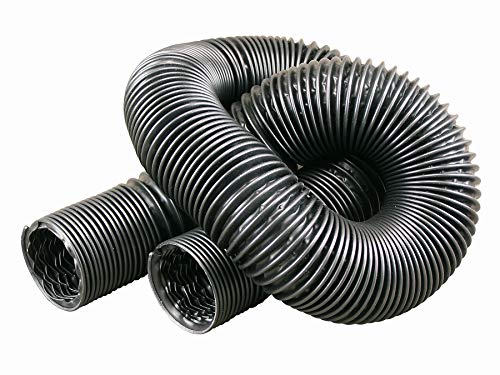
This 2-inch inner diameter plastic duct hose provides a flexible, lightweight option for air distribution from heaters and HVAC outlets. The manufacturer notes flexibility and durability for ease of installation and long-term use.
Plastic hoses of this type are common where smaller diameter routing is needed or where budget and ease of handling are priorities. They are typically easier to cut and secure with clamps or tape compared to more rigid piping.
Use cases: routing warm air in compact equipment, connecting smaller heater outlets, or providing a short extension. Ensure the hose inner diameter and connector fittings match the heater or adapter to maintain airflow and minimize leakage.
TapePlus Aluminum Foil Tape – 2 in x 70 yd
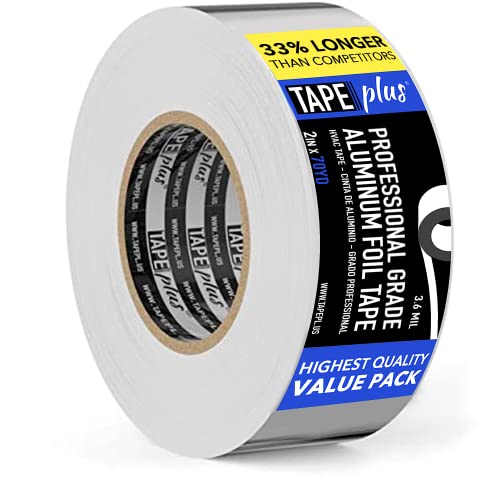
Aluminum foil tape is widely used for sealing air ducts, connecting flexible hoses to fittings, and repairing small leaks. The TapePlus product highlights heat resistance, UV and moisture resistance, and a long roll length suitable for multiple repairs or large installations.
Manufacturer claims emphasize resistance to moisture and chemicals and suitability for sealing both hot and cold intakes. HVAC-grade foil tape helps maintain system efficiency by sealing joints and reducing leakage losses in heated duct systems.
Use cases: sealing seams on insulated ducts, securing flexible hose connections to hard fittings, patching small tears in ducting, and providing a durable reflective surface around heated sections. For high-temperature concentrated points, verify adhesive temperature ratings against system temperatures.
Buying Guide For Air Duct Heater Components
Selecting the right accessories for an air duct heater system requires attention to fit, materials, and thermal performance. This guide covers the main considerations to compare options effectively.
Fit And Compatibility
Measure inner and outer diameters of heater outlets and duct openings. Many connectors list both inner and outer diameters; match the inner diameter of hose to connector inner diameter for a secure seal. For modular heaters like Webasto or Eberspacher, confirm compatibility with manufacturer-specified dimensions.
Material And Temperature Resistance
Choose materials rated for the expected operating temperatures. High-temperature plastic or metal connectors and aluminum foil tapes with specified heat resistance help prevent adhesive failure or deformation. For continuous high-temperature exposure, use parts with documented temperature ratings.
Durability And Flexibility
Cloth-reinforced hoses provide abrasion resistance and flexibility for routed runs, while plastic hoses offer light weight and easier handling for short runs. Consider expected flex cycles and abrasion points when selecting hose material.
Sealing And Leak Prevention
Use HVAC-grade aluminum foil tape to seal joints, transitions, and seams. Ensure the tape adhesive is appropriate for temperature range and substrate. For mechanical joints, supplement tape with clamps or crimped fittings to maintain a pressure-tight connection.
Airflow And Diameter Effects
Reduced duct diameter increases airflow resistance, impacting heater efficiency and output. Maintain recommended diameters or use appropriately sized connectors and hoses to avoid restricting airflow or overstressing the heater fan.
Mounting, Rotation, And Directional Control
For applications requiring targeted heating, select rotatable outlets or adjustable vents. A 360° rotatable outlet can direct warm air to specific zones, improving localized performance without changing overall airflow design.
Corrosion And Environmental Resistance
In marine or outdoor-exposed installations, prefer corrosion-resistant plastics or metal parts and UV-resistant tapes. Components exposed to moisture should be rated for corrosion resistance to prevent premature failure.
Installation And Serviceability
Products designed for tool-free or minimal-tool installation reduce labor time. Verify whether connectors need clamps, screws, or sealants. Consider ease of access for future service when choosing component locations and types.
Noise And Vibration Considerations
Flexible hoses and poor seals can generate noise or vibrate under blower operation. Use properly supported hose runs, vibration-damping clamps, or insulating wraps where noise is a concern.
Safety And Codes
Confirm that chosen components meet any local codes or manufacturer requirements for installed heating systems. Components placed near combustible materials may need specific clearances or protective materials.
Comparative Perspectives
- Connector vs. Direct Mounting: Connectors simplify replacement and alignment but introduce one more sealing interface.
- Cloth Hose vs. Plastic Hose: Cloth offers toughness and flex life; plastic is lighter and easier to cut. Choose based on routing demands.
- Aluminum Tape Selection: Longer, thicker foil tapes provide better coverage and durability. Check temperature ratings and adhesive strength to match system heat loads.
- Fixed vs. Rotatable Vents: Rotatable vents afford directional control and may reduce the need for multiple outlets; fixed vents provide simpler, lower-profile installations.
When assembling or replacing parts for an air duct heater, prioritize matched diameters, temperature-rated materials, secure sealing, and installation methods that allow future servicing. These considerations help maintain heater performance, efficiency, and safe operation.
Tips for Getting the Best HVAC Prices
- Prioritize Quality Over Cost
The most critical factor in any HVAC project is the quality of the installation. Don’t compromise on contractor expertise just to save money. - Check for Rebates
Always research current rebates and incentives — they can significantly reduce your overall cost. - Compare Multiple Quotes
Request at least three estimates before making your choice. You can click here to get three free quotes from local professionals. These quotes include available rebates and tax credits and automatically exclude unqualified contractors. - Negotiate Smartly
Once you've chosen a contractor, use the proven strategies from our guide — How Homeowners Can Negotiate with HVAC Dealers — to get the best possible final price.