
Heat pumps combine air-moving technology with efficient heating, making them a top choice for year-round comfort. Below is a concise comparison of selected heat pump-style products from window units, ductless mini splits, and central systems to help you match capacity, installation type, and energy efficiency to your space.
| Product | Type | Coverage | Key Feature |
|---|---|---|---|
| TCL Q-Series 12,000 BTU | Window Heat Pump | Up to 550 Sq. Ft. | Ultra-Quiet, Inverter Heat Pump |
| YITAHOME 12,000 BTU Mini Split | Ductless Mini Split | Up to 750 Sq. Ft. | WiFi, 20 SEER2, Multiple Modes |
| Midea 12,000 BTU Window Unit | Window Heat Pump | Up to 550 Sq. Ft. | Energy Star, Smart Controls |
| Goodman 3.5 Ton Heat Pump System | Central Heat Pump System | Whole House | Multi-Position Air Handler, 14.3 SEER2 |
| MRCOOL VersaPro 2 Ton Split | Central/ Ducted Heat Pump | Whole House / Multiple Zones | Pre-Charged Line Set, 18.1 SEER2 |
Content Navigation
- TCL 12,000 BTU Q-Series Smart Inverter Window AC With Heat Pump
- YITAHOME 12000 BTU Mini Split Air Conditioner Heat Pump System
- Midea 12,000 BTU Smart Inverter Air Conditioner Window Unit With Heat
- Goodman 3.5 Ton 14.3 SEER2 Heat Pump With Multi-Position Air Handler
- MrCool VersaPro 2 Ton 18.1 SEER2 Central Ducted Heat Pump Split System
- Buying Guide: How To Choose The Right Air Pump Heater
- 1. System Type And Installation
- 2. Capacity And Sizing
- 3. Efficiency Ratings And Operating Costs
- 4. Cold-Climate Performance
- 5. Noise And Comfort Features
- 6. Smart Controls And Air Quality Features
- 7. Warranty, Certifications, And Reliability
- 8. Installation Considerations And Labor
- 9. Maintenance And Longevity
- 10. Comparative Perspectives
TCL 12,000 BTU Q-Series Smart Inverter Window AC With Heat Pump
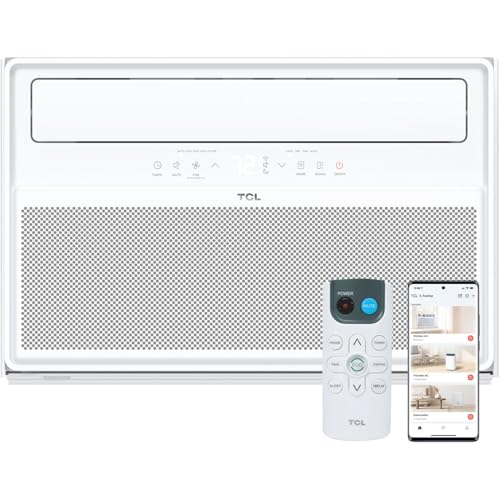
This window heat pump combines inverter compressor technology with smart controls. The unit is targeted for rooms up to around 550 sq. ft. and advertises ultra-quiet operation, suitable for bedrooms or living rooms where noise matters.
Key listed features include: TCL Heat Pump technology for more efficient heating compared with conventional window-unit resistive heat, an AI inverter approach that claims up to 67% energy savings, and wide smart home compatibility (Alexa, Google Assistant, Apple HomeKit/Matter). These attributes point to lower runtime energy use and remote control flexibility.
Practical considerations: heat pump performance can decline in low outdoor temperatures; the TCL emphasizes efficiency and quiet operation, making it a viable choice for moderate climates or supplemental heating in colder seasons.
YITAHOME 12000 BTU Mini Split Air Conditioner Heat Pump System
Call 888-896-7031 for Free Local HVAC Quotes – Compare and Save Today!
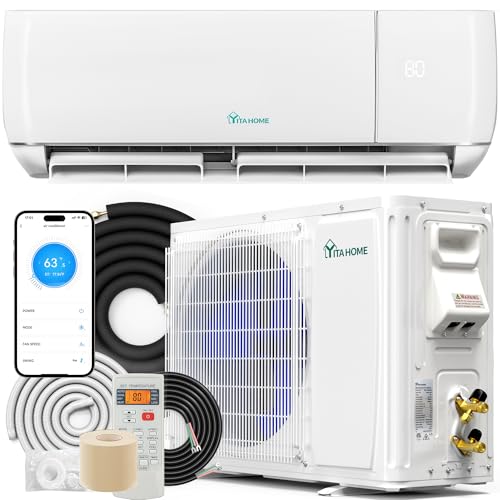
The YITAHOME is a ductless mini split that supports heating and cooling for spaces up to 750 sq. ft. It emphasizes energy efficiency (20 SEER2 rating) and inverter technology for reduced power cycles and stable temperatures.
Feature highlights: WiFi-enabled and Alexa-compatible controls, five operating modes (auto/cool/dry/heat/fan), automatic defrost, self-diagnosis/cleaning, and a HEALTH mode with negative ions and PM2.5 removal. The unit is ETL and AHRI certified, suggesting tested performance and compliance with industry standards.
Use cases: mini splits are commonly chosen for whole-room comfort without ductwork. With quiet operation (below 41 dB) and included installation kit, this model suits retrofits, additions, or rooms where aesthetic and minimal ducting are priorities.
Midea 12,000 BTU Smart Inverter Air Conditioner Window Unit With Heat

The Midea window unit provides multi-season comfort as a combined air conditioner, dehumidifier, and heat unit for rooms up to 550 sq. ft. It is Energy Star rated and uses variable-speed inverter technology for increased efficiency compared to conventional window units.
Listed features include 5 modes (Heat, Auto, Cool, Dry, Fan), three fan speeds, 24-hour timer, ECO energy saver, and smart home controls via app and voice assistants. The unit notes that the heat pump function may not operate below 41°F, which is important when planning for colder climates.
Call 888-896-7031 for Free Local HVAC Quotes – Compare and Save Today!
Considerations: this is positioned as a plug-and-play window solution with smart controls and energy-efficient cooling/heating for moderate conditions or supplemental heating.
Goodman 3.5 Ton 14.3 SEER2 Heat Pump With Multi-Position Air Handler
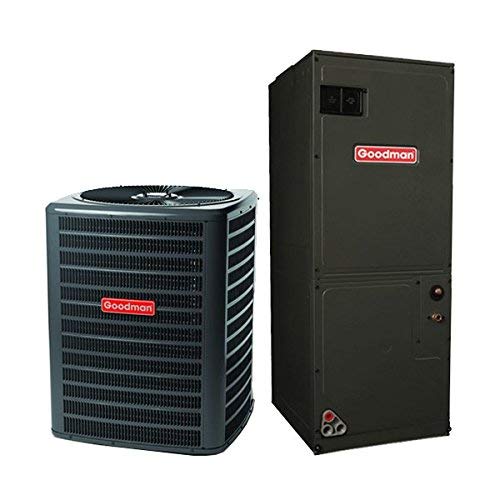
The Goodman pairing is a central heat pump system intended for whole-house heating and cooling. It includes a 3.5 ton heat pump and a multi-position air handler for flexible installation in attics, crawlspaces, or closets.
Features cited: designed for reliable service with service valves and pre-charged tubing for up to 15 feet, corrosion-resistant components in the air handler, and a 10-year parts warranty. The listing advises adding a heat kit for cold climates, indicating reliance on supplementary electric heat when outside temperatures are very low.
Applications: this system is suitable for primary HVAC installations or full replacements where ductwork exists. Efficiency ratings and durable components are the focus for homeowners seeking a long-term central heat pump solution.
MrCool VersaPro 2 Ton 18.1 SEER2 Central Ducted Heat Pump Split System

The MRCOOL VersaPro is a ducted split heat pump solution for central systems, offering inverter-driven performance and a high SEER2 rating. It includes a 25-foot pre-charged line set with Quick Connect technology to simplify installation.
Key features include premium energy efficiency (up to 18.8 SEER2 on select models), DC inverter tech for improved temperature control and reduced utility use, and multi-position installation capability (upflow, downflow, horizontal). The pre-charged line set reduces the need for specialist vacuum procedures during setup.
Considerations: the MRCOOL unit is aimed at homeowners or contractors seeking a high-efficiency central heat pump with installation conveniences that can lower labor time and preserve refrigerant charge integrity during setup.
Buying Guide: How To Choose The Right Air Pump Heater
Selecting a heat pump or air pump heater depends on space, climate, installation preferences, and efficiency goals. Below are the main factors to evaluate when comparing models and system types.
1. System Type And Installation
- Window Heat Pump Units (TCL, Midea): Best for single rooms or supplemental heating/cooling. Minimal installation complexity if you have a compatible window opening.
- Ductless Mini Splits (YITAHOME): Ideal when you need whole-room performance without ducts. Require interior wall mounting and through-wall line sets. Good for additions, garages, and older homes.
- Central/Ducted Systems (Goodman, MRCOOL): Designed for whole-home comfort through existing ductwork. Require more invasive installation but deliver integrated HVAC for multiple rooms and zones.
2. Capacity And Sizing
Match BTU or tonnage to the space you intend to heat/cool. Under-sizing results in poor comfort and overworking the unit; over-sizing can cause short cycling and humidity control issues. Use room square footage, ceiling height, insulation, window area, and climate to estimate required capacity.
3. Efficiency Ratings And Operating Costs
- SEER/SEER2 and HSPF (or comparable metrics) indicate seasonal efficiency. Higher ratings generally mean lower long-term energy cost but may have higher upfront costs.
- Inverter-driven compressors (variable speed) typically offer better efficiency and quieter operation compared to single-speed compressors.
4. Cold-Climate Performance
Heat pumps can lose capacity in colder temperatures. Check manufacturer guidance for minimum operating temperatures and whether a supplemental electric heat kit or backup heating is recommended for sub-freezing climates.
5. Noise And Comfort Features
Look for noise level specifications (dB) and features like multi-speed fans, sleep modes, and variable compressors. Quiet operation matters for bedrooms and living areas.
6. Smart Controls And Air Quality Features
- WiFi and voice assistant compatibility allow remote management and scheduling.
- Filtration features (PM2.5, ionization) can improve indoor air quality. Evaluate filter access and maintenance ease.
7. Warranty, Certifications, And Reliability
Check for industry certifications (AHRI, ETL) and warranty terms on parts and compressors. Central systems often include longer warranties and designed-for-service features like accessible valves and multiple inspection points.
8. Installation Considerations And Labor
Pre-charged line sets (like MRCOOL’s offering) and included installation kits reduce required refrigerant handling and can lower installation time. Central systems and mini splits typically require professional installation unless clearly marketed as DIY-ready.
9. Maintenance And Longevity
- Regular filter cleaning, coil maintenance, and outdoor unit clearance extend equipment life.
- For outdoor condenser longevity, consider mounting or risers to protect units from standing water or snow.
10. Comparative Perspectives
- Short-Term/Room Solutions: Window heat pump units like the TCL and Midea are cost-effective and quick to install for single rooms.
- Mid-Term/Whole Room Without Ducts: Ductless mini splits (YITAHOME, COSTWAY) balance efficiency and aesthetics, offering quiet operation and zoned control.
- Long-Term/Whole Home: Central systems (Goodman, MRCOOL) provide integrated home comfort with higher capacity and durability but require professional installation and ductwork alignment.
When choosing, weigh upfront equipment and installation complexity against expected energy savings and the climate you live in. Verify model-specific limits such as minimum outdoor operating temperatures and included installation components to ensure the product fits your project needs.
Tips for Getting the Best HVAC Prices
- Prioritize Quality Over Cost
The most critical factor in any HVAC project is the quality of the installation. Don’t compromise on contractor expertise just to save money. - Check for Rebates
Always research current rebates and incentives — they can significantly reduce your overall cost. - Compare Multiple Quotes
Request at least three estimates before making your choice. You can click here to get three free quotes from local professionals. These quotes include available rebates and tax credits and automatically exclude unqualified contractors. - Negotiate Smartly
Once you've chosen a contractor, use the proven strategies from our guide — How Homeowners Can Negotiate with HVAC Dealers — to get the best possible final price.