
Choosing an indoor alcohol heater requires attention to fuel type, ventilation, and safety features. Below is a quick comparison table of the five selected products reviewed in this guide so you can compare fuel format, portability, and intended use at a glance.
| Product | Fuel / Power | Indoor Suitability | Main Benefit |
|---|---|---|---|
| Triti Premium Bioethanol Fuel (12L) | 96.6% Bioethanol (denatured alcohol) | Designed For Indoor/Outdoor Use | Clean, Smokeless Burn |
| VESTA Self-Powered Heater & Stove | Canned Heat (solid fuel cans) | Advertised Safe For Indoor Use | No Electricity, Two-In-One Stove/Heater |
| Real Flame Gel Fuel Cans (24-Pack) | Gelled Isopropyl Alcohol Cans | Indoor/Outdoor Fireplace Use | Clean-Burning, Disposable Cans |
| Peosaard Mini Alcohol Burner Stove | Liquid Alcohol (user-supplied) | Portable Use, Camping & Indoor With Caution | Compact, Lightweight Alcohol Stove |
| Mr. Heater Convection Heater (Propane) | Propane Gas | Indoor Use With Proper Venting | High BTU Output For Large Areas |
Content Navigation
Triti Premium Bioethanol Fuel (12L)
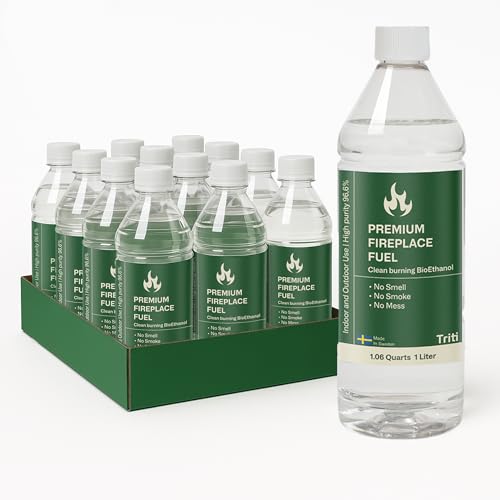
Triti’s product is a 96.6% bioethanol denatured alcohol designed for fireplaces, tabletop pits, and indoor ethanol burners. It emphasizes a clean, smokeless flame with minimal odor and no soot, making it suitable for many indoor ethanol fireplace inserts and decorative tabletop heaters.
Features referenced: clean, smokeless flame, long-lasting burn time, and high efficiency intended to maximize heat output for small indoor fireplace setups. Users should follow appliance manufacturer guidelines for recommended fuel types and safe refill procedures to avoid spills and flare-ups.
VESTA Self-Powered Indoor/Outdoor Heater & Stove

The VESTA unit combines a portable stove and space heater using canned heat (fuel cans) rather than liquid alcohol. It is marketed as safe for indoor use and able to warm areas up to about 200 square feet when operated according to instructions.
Call 888-896-7031 for Free Local HVAC Quotes – Compare and Save Today!
Referenced features include a two-in-one stove/heater function, no electricity required, and the ability to use multiple canned heat cans simultaneously for increased heat output. For indoor operation, ensure adequate ventilation and follow canned heat safety guidance to limit CO and vapor accumulation.
Real Flame Gel Fuel Cans – 24-Pack
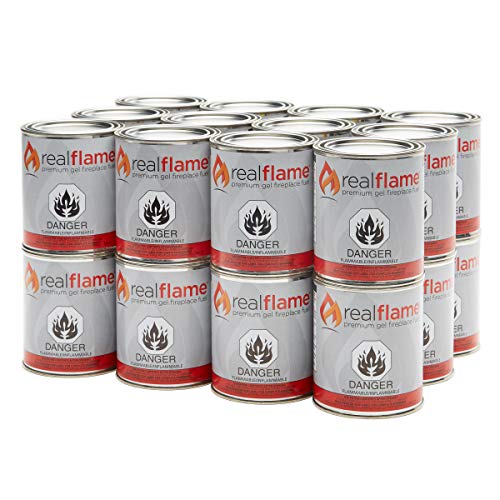
Real Flame offers gelled isopropyl alcohol in 13-ounce disposable cans that produce a bright, crackling flame intended for indoor and outdoor fireplace units. The product is described as clean-burning with little to no soot or ash residue, simplifying cleanup.
Features include realistic flame appearance, clean-burning gel, and convenient single-use cans that reduce handling of liquid fuels. When using gel fuel indoors, place cans in approved burners or fixtures and maintain safe clearance from combustible materials.
Peosaard Mini Alcohol Burner Stove
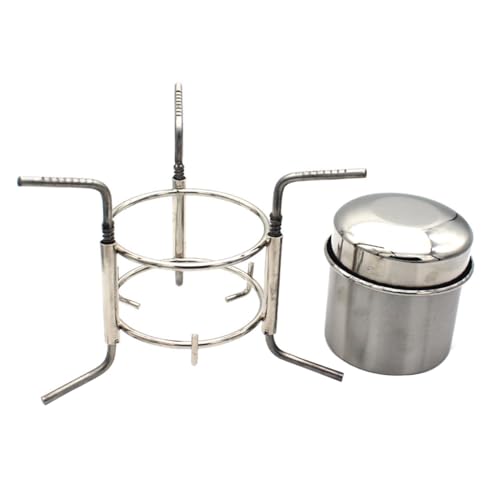
The Peosaard mini alcohol stove is a lightweight, portable burner designed primarily for camping and small cooking tasks. It holds up to about 180ml of liquid alcohol and offers a compact footprint with a triangular support for pot stability.
Call 888-896-7031 for Free Local HVAC Quotes – Compare and Save Today!
Key product features: lightweight portability, large fuel capacity for a mini stove, and a stable support frame for small cookware. For indoor use, this type of liquid-alcohol stove requires strict supervision, appropriate ventilation, and use on heat-resistant surfaces to minimize risk.
Mr. Heater Convection Heater (30–80K BTU)
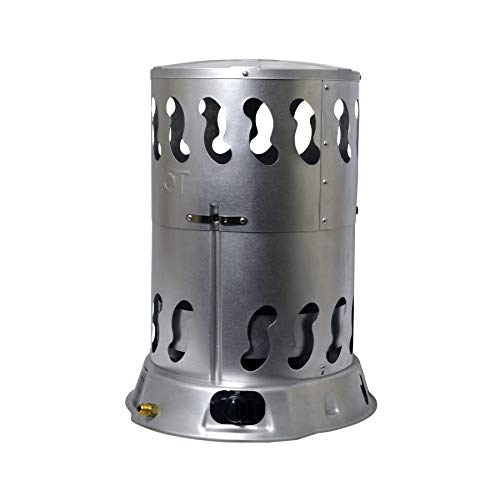
Mr. Heater’s convection model is a high-output propane heater designed to heat large spaces up to about 2,000 sq. ft. It’s included here as a non-alcohol alternative for indoor areas where higher BTU output is required and where propane use is acceptable and permitted.
Referenced features include 30,000–80,000 BTU output, ability to operate long durations on large propane tanks, and a standing pilot for safety. When using gas heaters indoors, follow manufacturer ventilation and carbon monoxide precautions, and verify local codes and safety recommendations.
Buying Guide: Choosing An Indoor Alcohol Heater
This buying guide outlines the most important considerations when evaluating indoor alcohol-based heaters and related alternatives.
1. Fuel Type And Format
- Liquid Bioethanol/DENatured Alcohol: Common for decorative ethanol fireplaces. Burns clean with less soot if high purity (e.g., 96%+). Requires spill-safe refilling and approved burners.
- Gelled Alcohol Cans: Prepackaged and disposable; reduce spill risk and simplify handling. Suitable for decorative fireplaces and tabletop units.
- Solid/Canned Heat: Often used in portable stoves and chafing fuel; easy to store and replace. Check manufacturer compatibility for heating performance and indoor safety.
2. Indoor Safety & Ventilation
- Ventilation: Any combustion or vaporizing fuel will produce vapors. Ensure at least minimal fresh air exchange when operating indoors.
- CO and Fume Risk: Alcohol fuels typically emit less carbon monoxide than hydrocarbon fuels but CO can still be produced under incomplete combustion. Use CO detectors and follow appliance guidance.
- Spill And Flame Control: Use devices with sealed or recessed fuel chambers, and refill only when cool. Avoid overfilling and use proper funnels or fuel bottles designed for the task.
3. Heater Output And Room Size
- Alcohol-based tabletop burners are primarily for ambiance and modest supplemental heat. They are most effective in small, well-insulated rooms.
- For sustained heating of large areas, dedicated gas or electric heaters deliver higher BTU/watt output. Compare required output to room volume before choosing.
4. Portability And Use Case
- Portable Stoves: Great for camping and temporary indoor use with caution. Look for compact size, fuel capacity, and stable pot supports.
- Decorative Inserts: Choose fuels and burners listed as compatible with your fireplace insert type. Gel cans are often used for ventless tabletop fireplaces.
5. Burn Time And Fuel Efficiency
- Check listed burn durations for a single fill or can. Higher-concentration bioethanol may burn longer and cleaner per volume.
- Multiple fuel cans or combining burners may increase runtime or heat, but follow manufacturer limits to avoid overheating units.
6. Installation, Maintenance, And Cleanup
- Choose burners with removable trays for easy cleaning if soot or residue appears. Gel fuels often leave minimal residue compared to wood or kerosene.
- For fixed ethanol fireplaces, consider protective screens, stable mounting, and regular inspection of fuel lines and seals.
7. Regulatory And Insurance Considerations
- Some buildings, apartments, or local codes restrict the use of open-flame devices indoors or require specific venting. Verify rules before installing or operating any indoor combustion device.
- Check homeowners or renters insurance policies for exclusions relating to indoor open flames or portable heaters.
8. Safety Accessories And Best Practices
- Smoke And CO Detectors: Install and test detectors when using any fuel-burning device indoors.
- Fire Extinguisher: Keep an appropriate extinguisher rated for liquid/flammable fuel nearby.
- Stable Surface: Place heaters on noncombustible, level surfaces and keep clearances from fabrics and combustibles.
- Child And Pet Safety: Use guards or barriers to prevent accidental contact with hot surfaces or open flames.
9. Comparison Perspectives
- Performance vs. Ambiance: Liquid bioethanol and gel fuels prioritize aesthetic flame appearance and low residue. Portable alcohol stoves emphasize fuel efficiency and cooktop performance rather than room heating.
- Convenience vs. Control: Gel cans and canned heat are convenient and reduce handling risk; refillable liquid fuels require more careful handling but can be more cost-effective for frequent use.
- Safety vs. Output: High-output heating solutions (propane or electric) provide stronger, consistent heat but come with different installation and ventilation trade-offs compared to alcohol burners that are intended for smaller spaces.
When evaluating products, match the device and fuel format to your primary need—ambiance, short-term supplemental heat, or portable cooking—and follow all safety, ventilation, and manufacturer guidelines for indoor use.
Tips for Getting the Best HVAC Prices
- Prioritize Quality Over Cost
The most critical factor in any HVAC project is the quality of the installation. Don’t compromise on contractor expertise just to save money. - Check for Rebates
Always research current rebates and incentives — they can significantly reduce your overall cost. - Compare Multiple Quotes
Request at least three estimates before making your choice. You can click here to get three free quotes from local professionals. These quotes include available rebates and tax credits and automatically exclude unqualified contractors. - Negotiate Smartly
Once you've chosen a contractor, use the proven strategies from our guide — How Homeowners Can Negotiate with HVAC Dealers — to get the best possible final price.