
Condensation can cause mold, rust, and equipment damage in garages, vehicles, attics, windows, optics, and HVAC outdoor units. This guide compares effective heater and prevention solutions designed to reduce or eliminate condensation by warming surfaces, circulating air, or isolating equipment. Below is a quick comparison of the selected products to help you choose the best solution for your application.
| Product | Primary Use | Key Benefit |
|---|---|---|
| Heat Storm HS-1500-PHX-WIFI Infrared Heater | Wall-mounted room/local area heating | Targeted infrared surface heating, Wi‑Fi control |
| DR. INFRARED HEATER Portable Space Heater | Room/large area heating | Dual infrared + PTC system for steady warmth |
| Dreo Space Heater Indoor | Indoor fast circulation heating | Ceramic forced-air with safety features |
| Dura Heat EUH1465 Electric Forced Air Heater | Workshops, garages, utility spaces | Rugged forced-air heating for damp spaces |
| USB Dew Heater / Lens Warmer (fantaseal) | Optical equipment, telescopes, cameras | Targeted anti‑dew strap for lenses and mirrors |
Content Navigation
- Heat Storm HS-1500-PHX-WIFI Infrared Heater, Wifi Wall Mounted
- DR Infrared Heater Portable Space Heater, Original, 1500-Watt
- Dreo Space Heater Indoor, 25″ Fast Portable Room Heater
- Dura Heat EUH1465 Electric Forced Air Heater With Pivoting Base
- USB Fast-Warm 2in1 XL Spliceable Telescopes DSLR Camera Dew Heater
- Buying Guide: Choosing The Right Anti-Condensation Heater Or Solution
Heat Storm HS-1500-PHX-WIFI Infrared Heater, Wifi Wall Mounted

This wall-mounted unit uses infrared heating to warm surfaces directly rather than only heating air. The Wi‑Fi capability allows remote temperature control, and the compact design preserves floor space. Built-in safety includes tip‑over shutoff and a digital thermostat with remote control. For anti‑condensation use, infrared surface warming reduces relative humidity at cold surfaces (windows, walls, equipment) so moisture is less likely to condense.
Best Suited For: rooms, bedrooms, offices, or targeted wall areas where surface warming is preferable to whole-room air heating. The wall mount keeps heat focused on surfaces prone to condensation.
DR Infrared Heater Portable Space Heater, Original, 1500-Watt
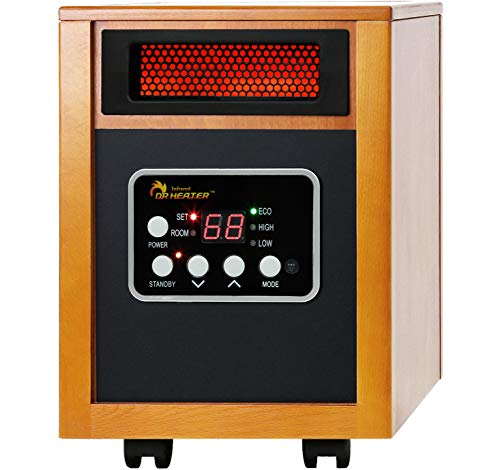
The DR Infrared Heater combines infrared quartz tubes and PTC ceramic heating with a low-noise blower to deliver steady warmth across larger rooms. Its dual heating design increases delivered heat and helps maintain elevated surface temperatures to prevent condensation on walls and windows. Safety features include tip‑over and overheat protection plus a 12‑hour timer and remote.
Call 888-896-7031 for Free Local HVAC Quotes – Compare and Save Today!
Best Suited For: living rooms, basements, and larger indoor areas where sustained surface and air warming reduces relative humidity and prevents dew formation on cold surfaces. The quiet blower aids circulation without loud operation.
Dreo Space Heater Indoor, 25″ Fast Portable Room Heater

The Dreo unit uses a ceramic heating element and an extended impeller to deliver fast, high-velocity warm air across larger rooms. Safety is emphasized with an anti-burn plug, tip‑over and overheat protections, and a child lock. For anti‑condensation objectives, rapid air movement and consistent outlet temperature help reduce localized humidity pockets and dry surfaces quicker than low-flow heaters.
Best Suited For: large bedrooms, living areas, or rooms with periodic humidity spikes where quick drying and consistent air distribution can limit condensation on windows or stored items.
Dura Heat EUH1465 Electric Forced Air Heater With Pivoting Base
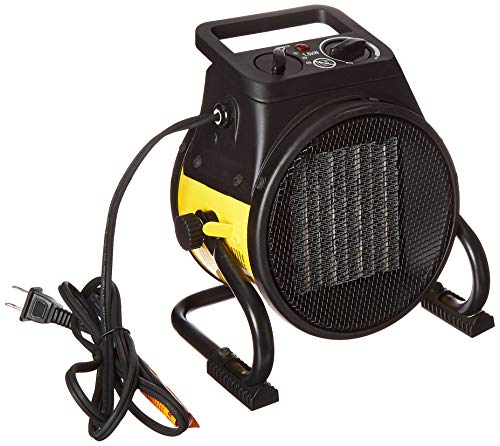
This rugged forced-air heater delivers 1500W of PTC ceramic heating in a durable steel housing intended for garages and workshops. The pivoting base allows directional warm-air targeting to equipment or cold surfaces. For anti‑condensation needs in unheated utility spaces, targeted forced heat reduces surface chill points and helps evaporate existing moisture faster.
Call 888-896-7031 for Free Local HVAC Quotes – Compare and Save Today!
Best Suited For: garages, workshops, sheds, and utility rooms where equipment or structural surfaces frequently reach dew point. The robust build tolerates harsher environments common in these spaces.
USB Fast-Warm 2in1 XL Spliceable Telescopes DSLR Camera Dew Heater

This specialized dew heater strap is designed for optics—camera lenses, telescope mirrors, and small domes. The spliceable strips with velcro wrap provide uniform, low-power surface warming. Heats up within seconds and runs from USB power banks for field use. Its focused application prevents dew formation on critical optical surfaces by keeping the lens temperature slightly above ambient dew point.
Best Suited For: astronomy, outdoor photography, and any optical gear exposed to night-time humidity or rapid temperature drops where full-room heating is impractical. Ideal for portable, low-power anti-condensation needs.
Buying Guide: Choosing The Right Anti-Condensation Heater Or Solution
Condensation forms when a surface temperature falls below the ambient dew point. Choosing an appropriate anti‑condensation solution involves matching heater characteristics, placement, and environmental factors to your application. Below are key considerations and comparison perspectives to guide selection.
1. Application And Target Surface
- If You Need To Protect Optics Or Small Equipment: Use targeted dew heater straps (USB lens warmers) that wrap directly around lenses or mirrors for low-power, precise warming.
- If You Want To Prevent Window Or Wall Condensation In Living Spaces: Consider infrared wall-mounted or portable infrared heaters that warm surfaces directly without overheating room air.
- For Garages, Workshops, Or Large Utility Areas: Choose forced-air or high-flow ceramic
2. Heating Method: Surface Versus Air
- Infrared Heaters warm surfaces directly; effective where surface chill is the issue and air circulation is limited.
- Forced-Air/Ceramic Heaters warm and circulate air; useful for faster drying and reducing overall room humidity.
- Low-Power Straps are for precise prevention on small surfaces where minimal temperature raise is sufficient.
3. Power Source And Energy Considerations
- Check wattage and expected run-time. Continuous surface heating (e.g., for optics) is typically low power (USB), while room/garage solutions require 1000–1500W ranges.
- Infrared surface heating can be more energy-efficient for localized areas because it reduces the need to raise total room temperature.
4. Safety Features And Installation
- For indoor use, prioritize units with overheat protection, tip‑over shutoff, and certified plugs to reduce fire and electrical risks.
- Wall-mounted units free up floor space and allow focused heating of cold surfaces, but require secure installation and accessible controls.
- Optical dew heaters should have low-voltage USB operation and secure fastening to avoid slippage and hotspots.
5. Environmental Durability And Placement
- Garages and outdoor-adjacent installations benefit from rugged, metal-bodied forced-air heaters that can tolerate dust and cooler ambient temperatures.
- For semi-outdoor condenser or mini-split protections, consider vibration pads or insulated covers in addition to small heaters to limit condensation on components.
6. Noise, Air Movement, And Comfort
- Infrared units are often quieter because they rely less on fans; forced-air units provide faster moisture removal at the cost of some noise.
- Decide whether quiet operation or rapid drying is a higher priority for the space in question.
7. Control Options And Automation
- Wi‑Fi and programmable thermostats allow remote monitoring and scheduling to maintain temperatures just above dew point without continuous manual oversight.
- Thermostatic control is useful to avoid unnecessary energy use while keeping surfaces safe from condensation.
8. Combined Strategies For Best Results
- Pairing a heater with improved ventilation or a dehumidifier reduces ambient humidity and provides durable condensation control.
- For equipment, combine insulation, small surface heaters, and physical covers to maintain stable surface temperatures and prevent moisture ingress.
Comparison Perspectives:
- Cost vs. Effectiveness: Infrared wall heaters often deliver targeted results with lower runtime energy for localized needs compared with heating entire rooms.
- Portability vs. Permanence: Portable forced-air heaters are flexible for seasonal use, while wall-mounted infrared systems offer permanent localized protection.
- Precision vs. Power: USB dew straps provide precision anti-dew control for optics, while 1500W heaters address broader structural condensation issues.
Final Tip: Identify the most frequent condensation location and cause (cold window glass, damp garage walls, optical dew, or HVAC component chill). Match the solution that warms that surface type efficiently, includes sensible safety features, and can be controlled to avoid unnecessary energy use.
Tips for Getting the Best HVAC Prices
- Prioritize Quality Over Cost
The most critical factor in any HVAC project is the quality of the installation. Don’t compromise on contractor expertise just to save money. - Check for Rebates
Always research current rebates and incentives — they can significantly reduce your overall cost. - Compare Multiple Quotes
Request at least three estimates before making your choice. You can click here to get three free quotes from local professionals. These quotes include available rebates and tax credits and automatically exclude unqualified contractors. - Negotiate Smartly
Once you've chosen a contractor, use the proven strategies from our guide — How Homeowners Can Negotiate with HVAC Dealers — to get the best possible final price.