
Reliable, heated automatic waterers keep horses hydrated in freezing temperatures. Below is a concise comparison of top heated and thermal livestock waterers selected for durability, freeze protection, and ease of maintenance.
| Product | Key Feature | Best For |
|---|---|---|
| Ritchie Omni Fount 2 | Heated, Large Access Panel | Small to medium herds |
| Ritchie Omni Fount 1 | Heated, Compact | Single to small groups |
| Ritchie Omni Fount 3 | Heated, Larger Capacity | Medium to larger herds |
| MINYULUA Heated Livestock Bowl | Stainless Steel, Electric Heated | Individual stalls, small paddocks |
| Ritchie ECO Fount 1 | Energy Efficient, ThermalEqualizer | Energy-conscious operations |
Content Navigation
- Ritchie Omni Fount 2 Automatic Heated Cattle, Horse Waterer
- Ritchie Omni Fount 1 Automatic Heated Cattle Horse Waterer
- Ritchie Omni Fount 3 Automatic Heated Cattle, Horse Waterer
- MINYULUA Automatic Heated Livestock Water Bowl Stainless Steel
- Ritchie ECO Fount 1 – Energy Efficient Automatic Waterer Cattle Horses
- Buying Guide: Choosing A Heated Automatic Horse Waterer
- Heating Method And Freeze Protection
- Herd Size And Capacity
- Power And Water Supply Requirements
- Materials And Corrosion Resistance
- Maintenance Access And Serviceability
- Freeze Risk Management
- Safety And Animal Compatibility
- Installation And Retrofit Considerations
- Energy Efficiency And Operating Cost
- Comparison Perspectives
Ritchie Omni Fount 2 Automatic Heated Cattle, Horse Waterer

The Ritchie Omni Fount 2 is a heated automatic waterer designed and manufactured in the USA. It features a large access panel that provides straightforward service access to heating components and the waterline. The construction emphasizes durability and ease of cleaning, with components sized for typical equine use.
- Heating And Freeze Protection: Integrated heating designed to maintain thawed water in cold conditions.
- Service Access: Large access panel simplifies inspection and component replacement.
- Maintenance: Easy to clean design aimed at routine sanitization and debris removal.
This model suits small to medium herds where a reliable heated trough is required. Installation considerations include electrical supply for the heater and secure water line hookup. The design supports routine maintenance without specialty tools.
Ritchie Omni Fount 1 Automatic Heated Cattle Horse Waterer
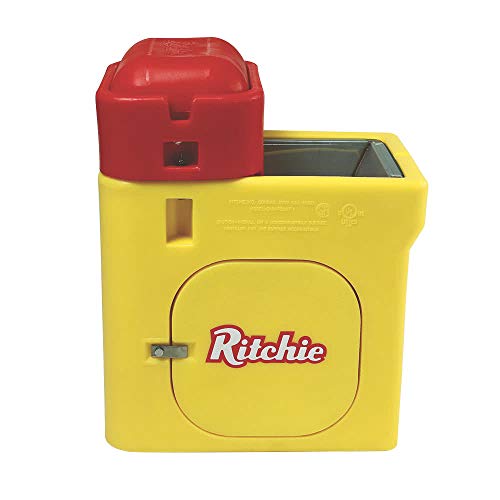
The Ritchie Omni Fount 1 is the compact heated option in Ritchie’s Omni lineup. Built in the USA, it is intended for smaller operations or individual stalls. The unit emphasizes straightforward maintenance and cleaning, while supporting continuous heated water delivery.
Call 888-896-7031 for Free Local HVAC Quotes – Compare and Save Today!
- Capacity Range: Suitable for water service to between 1 and 20 animals depending on turnout and refill frequency.
- Maintenance Friendly: Components designed for easy access and cleaning to limit downtime.
- Heated Operation: Integrated heater allows freeze protection for cold climates.
Omni Fount 1 is well suited for barn stalls, isolated paddocks, or small turnout areas where a compact heated basin is preferred. Consider proximity to power and winterized water supply when planning placement.
Ritchie Omni Fount 3 Automatic Heated Cattle, Horse Waterer

The Ritchie Omni Fount 3 expands on the Omni family with a larger heated basin suitable for medium to larger herd applications. It retains the same service-oriented design philosophy, including a sizable access panel for heating and plumbing components.
- Large Capacity: Larger bowl size to accommodate more animals or longer intervals between watering cycles.
- Access & Service: Enlarged access panel reduces effort during maintenance and component replacement.
- Heater Integration: Built-in heating elements designed to prevent freezing in cold climates.
Choose Omni Fount 3 where higher flow and larger herd usage are expected. Installation logistics should account for water line sizing and adequate electrical service to match the heater load.
MINYULUA Automatic Heated Livestock Water Bowl Stainless Steel

The MINYULUA Heated Livestock Bowl is an electric, stainless-steel heated dispenser that maintains a constant temperature range and uses a float valve for automatic refill. The unit is designed for a variety of species, including horses, and emphasizes corrosion resistance and chew-resistant power cable design.
Call 888-896-7031 for Free Local HVAC Quotes – Compare and Save Today!
- Temperature Control: Claims constant temperature operation between about 68°F–86°F and frost resistance down to -20°C.
- Materials: 304 stainless steel construction with a 4L capacity suited for individual stalls or small groups.
- Automatic Refill: Float valve control automates water level maintenance without separate pumps.
This product is targeted at stall-level or individual animal use where a compact, heated bowl is desired. It requires electrical access for the heater and a reliable water connection for the float valve. Consider mounting height and animal compatibility for horse muzzles and reach.
Ritchie ECO Fount 1 – Energy Efficient Automatic Waterer Cattle Horses

The Ritchie ECO Fount 1 focuses on energy efficiency and thermal performance. Its ThermalEqualizer design helps eliminate cold spots in stored water, improving freeze resistance. Made in the USA, the unit includes tool-free service access for routine maintenance.
- ThermalEqualizer Design: Patented well design reduces cold spots to conserve heat and prevent localized freezing.
- Serviceability: Finger-lift cover and minimal service hardware reduce the time required for maintenance.
- Energy Focus: Engineered to reduce energy draw while maintaining usable water temperatures.
ECO Fount 1 is a fit for operations prioritizing lower energy consumption with thermal performance. Confirm whether supplemental heating is required for extreme climates and plan for electrical supply accordingly.
Buying Guide: Choosing A Heated Automatic Horse Waterer
Selecting the right heated automatic waterer requires balancing herd size, climate severity, power availability, maintenance resources, and installation logistics. Key considerations below help compare models objectively.
Heating Method And Freeze Protection
Heated waterers use thermostatic heaters, in-line heating elements, or thermal basin designs. Thermostatic heaters activate when temperatures drop, while thermal basins (like ThermalEqualizer) reduce cold spots and may reduce energy use. For extreme cold, confirm the heater’s rated performance and whether supplemental insulation or heat tracing is recommended.
Herd Size And Capacity
Choose a model with bowl capacity and refill rate appropriate for your number of horses and turnout frequency. Larger models (Omni Fount 3) suit multiple animals drinking simultaneously, while compact bowls (MINYULUA) work for stall or single-animal use.
Power And Water Supply Requirements
Heated units require reliable electrical service. Verify voltage, wattage, and whether a GFCI-protected outlet is needed. Waterers with float valves require a pressurized supply or gravity feed with adequate head. Ensure outdoor wiring and water lines meet local code for winterization.
Materials And Corrosion Resistance
Stainless steel and epoxy-coated steel resist corrosion and extend service life. One-piece molded bodies reduce leak points. For salty or high-moisture environments, prioritize corrosion-resistant finishes and components easy to replace if corroded.
Maintenance Access And Serviceability
Large access panels and tool-free covers simplify heater inspection and valve service. Frequent cleaning reduces biofilm and mineral buildup; choose designs with easy drainage and smooth internal surfaces to make sanitization practical.
Freeze Risk Management
Consider multiple freeze protection strategies: built-in heaters, insulated housings, heat-traced supply lines, and placement near sheltered structures. Models that reduce cold spots lower the chance of partial freezing that can trap animals from accessing water.
Safety And Animal Compatibility
Assess bowl depth, edge radius, and valve placement for safe, comfortable drinking by horses. Low-mounted bowls may be preferable for smaller animals, while larger troughs support typical horse head height. Look for chew-resistant and secured cabling on electrically heated units.
Installation And Retrofit Considerations
Evaluate whether the unit mounts to a wall, is free-standing, or requires anchoring. Retrofit projects should account for routing power and water lines, adding freezeproof hydrants or insulated conduit as required. Professional plumbing/electrical installation can ensure code compliance and long-term reliability.
Energy Efficiency And Operating Cost
Energy-efficient designs reduce operating cost but verify real-world energy use for expected temperatures. Patented thermal designs can lower heater runtime. For budget planning, estimate seasonal watt-hours based on location and average low temperatures.
Comparison Perspectives
- Small-Scale/Stall Use: Compact heated bowls (stainless options) offer quick warm water for individual horses and are easier to mount and maintain.
- Multi-Animal Paddocks: Larger heated fountains with reinforced bodies and access panels handle simultaneous drinking and frequent use.
- Energy-Conscious Operations: Units with thermal management systems reduce energy demand while maintaining usable water temperatures.
- Rugged, Low-Maintenance Needs: One-piece, gasket-free bodies minimize leak potential and simplify winter prep.
When comparing models, compile a checklist of required power specs, water feed compatibility, bowl capacity, maintenance features, and expected cold-weather performance. This structured comparison will help identify the best solution for your facility’s climate and herd size without relying on assumptions about a single product’s fit.
Tips for Getting the Best HVAC Prices
- Prioritize Quality Over Cost
The most critical factor in any HVAC project is the quality of the installation. Don’t compromise on contractor expertise just to save money. - Check for Rebates
Always research current rebates and incentives — they can significantly reduce your overall cost. - Compare Multiple Quotes
Request at least three estimates before making your choice. You can click here to get three free quotes from local professionals. These quotes include available rebates and tax credits and automatically exclude unqualified contractors. - Negotiate Smartly
Once you've chosen a contractor, use the proven strategies from our guide — How Homeowners Can Negotiate with HVAC Dealers — to get the best possible final price.