
Keeping children and pets safe around hot baseboard heaters often means installing a purpose-built cover or replacing an aging cover with a safer model. Below is a compact comparison followed by detailed reviews of five baseboard heater covers that help reduce direct contact with heating elements while maintaining airflow and heat distribution.
| Product | Type | Key Safety Feature |
|---|---|---|
| NeatHeat 6ft Baseboard Heat Front Cover | Slip-On Front Cover | Full front barrier, easy cut-to-fit |
| NeatHeat 4ft Baseboard Heat Front Cover | Slip-On Front Cover | Compact fit, simple installation |
| Baseboarders Basic Series 6 ft Galvanized Steel | Galvanized Hydronic Cover | Rustproof steel, single-panel barrier |
| SDSNTE 3ft Steel Easy Slip-On | Slip-On For Hydronic Systems | Single-panel prevents direct touch |
| Gandeer 2 Ft Baseboard Heater Cover | Short Slip-On Panel With End Caps | End caps and enclosed panel for safety |
Content Navigation
- NeatHeat 6ft Baseboard Heat Front Cover
- NeatHeat 4ft Baseboard Heat Front Cover
- Baseboarders Basic Series 6 ft Galvanized Steel
- 3ft Steel Easy Slip-On Baseboard Heater Cover
- Gandeer 2 Ft Baseboard Heater Cover With End Caps
- Buying Guide: How To Choose Child-Proof Baseboard Heater Covers
- 1. Confirm Heater Type And Compatibility
- 2. Measure Carefully
- 3. Material And Durability
- 4. Safety Features To Look For
- 5. Heat Output And Airflow
- 6. Installation Ease And Tools
- 7. Surface Temperature Considerations
- 8. Aesthetics And Room Placement
- 9. Regulatory And Manufacturer Guidance
- 10. Multiple Comparison Perspectives
NeatHeat 6ft Baseboard Heat Front Cover
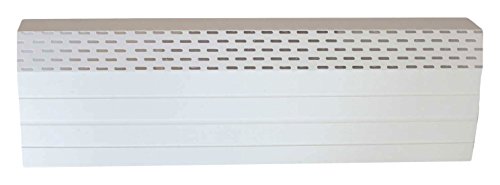
Fit And Installation: This 6-foot front cover is designed to slip over common baseboard heater fronts and can be trimmed with household tools for a custom fit. Installation does not require special tools.
Child Safety Aspects: The full-front barrier reduces the chance of small hands directly contacting heating fins. The material and design create a continuous shield between the heat source and a child’s reach.
Performance And Considerations: Because it slips over the heater, airflow is managed but should be checked against your specific baseboard model. Measure existing covers for compatibility. The product is a practical option for long runs where a continuous protective front is needed.
NeatHeat 4ft Baseboard Heat Front Cover

Call 888-896-7031 for Free Local HVAC Quotes – Compare and Save Today!
Fit And Installation: The 4-foot version follows the same slip-on design as the 6-foot model and emphasizes easy installation without special tools. The manufacturer recommends consulting a measuring guide prior to purchase.
Child Safety Aspects: Shorter sections are helpful near play areas, bedrooms, or in homes where you want targeted protection. The cover limits direct contact and reduces the risk of small objects or fingers reaching internal fins.
Performance And Considerations: Check the fit for your specific baseboard brand and model. Because this cover is modular, multiple sections can be used to protect irregular runs while preserving heat output when installed correctly.
Baseboarders Basic Series 6 ft Galvanized Steel
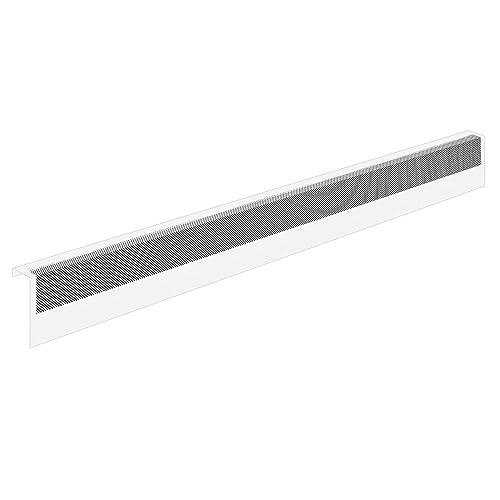
Fit And Application: This 6-foot galvanized steel cover is explicitly for hydronic (water) baseboard systems and is not intended for electric baseboards. The Basic Series offers a single-panel protective front and includes a lifetime protection guarantee against rust under normal use.
Child Safety Aspects: Solid steel construction and single-panel design act as a sturdy barrier that prevents direct touching of hot elements. Its material strength also resists dents and deformation from accidental bumps.
Call 888-896-7031 for Free Local HVAC Quotes – Compare and Save Today!
Performance And Considerations: Ideal for homeowners replacing corroded baseboard covers in hydronic systems. Confirm your heater type before purchasing. The cover supports accessory attachments for a finished look but should be used in accordance with hydronic system guidelines.
3ft Steel Easy Slip-On Baseboard Heater Cover

Fit And Installation: This 3-foot steel slip-on cover is aimed at hydronic systems and includes end caps. Single-panel construction preserves airflow while creating a barrier to prevent direct contact.
Child Safety Aspects: The cover’s single-panel design and enclosed profile reduce access to interior fins, lowering burn risk for children and pets. The manufacturer highlights dimensions to ensure compatibility and effective safety behavior.
Performance And Considerations: Made from 21-gauge steel with 16-gauge endcaps, the unit is rust-resistant and intended for long-term use. Confirm that your baseboard length and width fall within the listed limits before ordering.
Gandeer 2 Ft Baseboard Heater Cover With End Caps
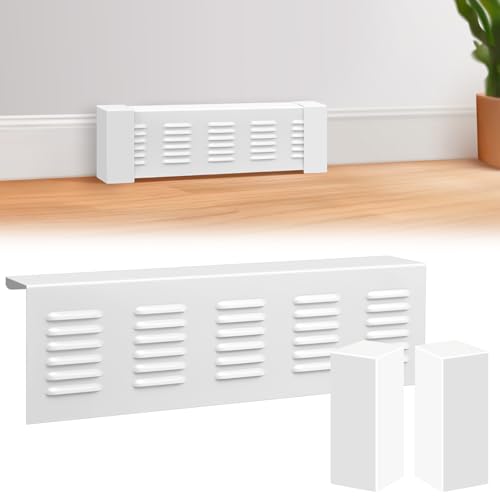
Fit And Installation: Designed for short runs under 2 feet, this panel includes left and right end caps and is intended as a direct replacement for older covers. Installation is a slide-and-snap process with optional trimming for exact fit.
Child Safety Aspects: The enclosed panel structure improves safety by preventing direct hand access to heating elements. Small sections work well in bathrooms, hallways, or rooms where short, targeted protection is preferred.
Performance And Considerations: The product aims to combine aesthetics and safety while maintaining effective airflow. Confirm the baseboard dimensions before purchase and follow recommended installation steps for secure attachment.
Buying Guide: How To Choose Child-Proof Baseboard Heater Covers
When selecting a baseboard heater cover to improve child safety, focus on material, compatibility, airflow, and installation. These factors help balance protection, heat output, and longevity.
1. Confirm Heater Type And Compatibility
Electric vs Hydronic: Many covers are designed specifically for hydronic (hot water) systems and should not be used on electric elements. Verify whether your baseboard heater is electric or hydronic before purchasing.
2. Measure Carefully
Length, Height, And Depth: Accurate measurements ensure the cover slides on properly and end caps align. Manufacturers usually list maximum length and height tolerances—compare these to your existing heater before ordering.
3. Material And Durability
Steel And Galvanized Steel: These provide strong, heat-tolerant barriers and resist deformation. Powder coating or varnish improves rust resistance, important in humid areas like bathrooms.
4. Safety Features To Look For
- Full Front Barrier: Prevents fingers and toys from reaching heating fins.
- Single-Panel Design: Maintains airflow while reducing direct contact points.
- End Caps: Close off sharp edges and prevent access from the sides.
- Secure Attachment: Covers that snap or slide securely reduce the chance of removal by children.
5. Heat Output And Airflow
Maintaining Efficiency: A child-proof cover should not block airflow or trap heat. Look for designs that allow convection while blocking direct contact. After installation, monitor room temperature behavior to ensure heating efficiency is preserved.
6. Installation Ease And Tools
Slip-On Vs Screw-On: Slip-on covers are often quicker to install but must fit correctly. Some models allow trimming with household tools to achieve a better fit. If cutting is required, ensure edges are finished to avoid sharp surfaces.
7. Surface Temperature Considerations
Barrier Reduces Contact Temperature: Covers reduce accessible surface temperatures but do not eliminate heat. Teach children not to lean or press against heaters, and check accessible surfaces during operation to evaluate safety.
8. Aesthetics And Room Placement
Match Finish To Decor: Many covers come in white or powder-coated finishes. Consider sizes and modular options for continuous or segmented runs in visible living areas.
9. Regulatory And Manufacturer Guidance
Follow Manufacturer Instructions: Use products only as specified (e.g., hydronic-only covers on hydronic systems). Improper use can affect performance and safety. When in doubt, consult a qualified HVAC technician.
10. Multiple Comparison Perspectives
Short Runs Vs Long Runs: Short, modular covers (2–4 ft) are flexible for targeted protection, while 6 ft panels offer continuous protection for long walls. Choose based on room layout and the number of heaters to cover.
Material Trade-Offs: Thicker gauge steel increases durability and resistance to tampering but can add weight. Lighter materials may be easier to install but verify rust resistance and sturdiness.
Hydronic Only Options: Several heavy-duty covers are designed exclusively for hydronic systems and provide excellent durability; these must not be used on electric heaters due to heat dissipation differences.
Tips for Getting the Best HVAC Prices
- Prioritize Quality Over Cost
The most critical factor in any HVAC project is the quality of the installation. Don’t compromise on contractor expertise just to save money. - Check for Rebates
Always research current rebates and incentives — they can significantly reduce your overall cost. - Compare Multiple Quotes
Request at least three estimates before making your choice. You can click here to get three free quotes from local professionals. These quotes include available rebates and tax credits and automatically exclude unqualified contractors. - Negotiate Smartly
Once you've chosen a contractor, use the proven strategies from our guide — How Homeowners Can Negotiate with HVAC Dealers — to get the best possible final price.