
Choosing the right bathroom baseboard heater means balancing size, safety, and moisture resistance. This guide compares five well-suited products for bathrooms, including electric hard-wired heaters, a portable convection unit, and a durable cover for existing hydronic or electric elements. Use the summary table to quickly identify features and then read short, objective reviews to match a solution to your bathroom layout and needs.
| Product | Type | Notable Feature |
|---|---|---|
| Cadet F Series 24″ (2F350W) | Electric Baseboard | Compact 350W, steel construction |
| Cadet F Series 36″ (3F750-1W) | Electric Baseboard | Requires thermostat, 750W, robust junction box |
| KING 4K1210BW 4′ 1000W | Electric Baseboard | Aluminum ribbon fin, full-length safety cutout |
| EZ-HEAT 1500W CZ600 | Portable Baseboard/Convection Heater | Adjustable thermostat, tip-over switch, overheat protection |
| SDSNTE 5ft Easy Slip-On Cover | Cover / Replacement Front | 21-gauge rustproof steel, slip-on with end caps |
Content Navigation
- Cadet F Series 24″ Electric Baseboard Heater (2F350W)
- Cadet F Series 36″ Electric Baseboard Heater (3F750-1W)
- KING 4K1210BW K Series Baseboard Heater 4′ / 1000W
- EZ-HEAT 1,500 Watt Baseboard Space Heater CZ600
- 5ft Steel Easy Slip-On Baseboard Heater Cover With End Caps
- Buying Guide: Choosing A Bathroom Baseboard Heater
Cadet F Series 24″ Electric Baseboard Heater (2F350W)
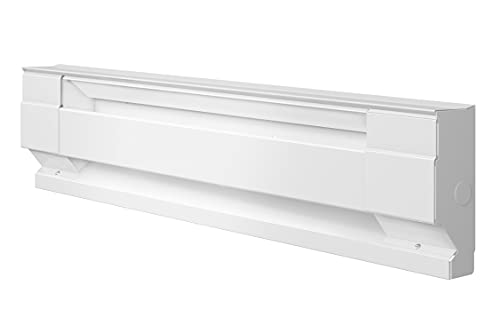
This compact 24-inch Cadet F Series baseboard heater is intended for small spaces such as bathrooms or powder rooms. The unit is steel-bodied with a white finish and uses an electric power source. Its rated output is 350 watts at 240/208 volts, producing modest BTU output suitable for spot heating.
Key features listed include a steel construction and electric power source type. For bathroom installations, this model’s smaller length and lower wattage minimize overheating risk in confined, moisture-prone spaces when installed according to electrical and bath-code requirements. Installation typically requires hard-wiring and attention to proper clearances and thermostat control for regulation.
Cadet F Series 36″ Electric Baseboard Heater (3F750-1W)
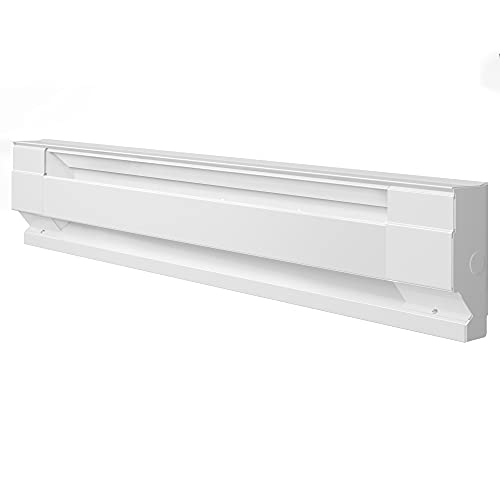
The 36-inch Cadet F Series is a longer, higher-output electric baseboard designed to heat larger bathrooms or supplement central heat. It is a 750-watt unit at 120 volts and produces higher BTU output compared to the 24-inch model. The product description notes that the unit requires a thermostat, uses 25-gauge steel, and includes a 20-gauge junction box with ground for wiring.
Call 888-896-7031 for Free Local HVAC Quotes – Compare and Save Today!
These features indicate a focus on installation durability and wiring safety. The requirement for an external thermostat allows precise temperature control. In bathroom applications, installing an appropriate thermostat and ensuring GFCI-protected circuits are important for code compliance and moisture safety.
KING 4K1210BW K Series Baseboard Heater 4′ / 1000W

The KING 4K1210BW is a 4-foot, 1000-watt baseboard heater intended for direct hard-wired installation. It uses an aluminum ribbon fin element for heat transfer and includes a full-length safety cutout designed to interrupt power if a fault is detected. The unit is not a plug-in model and must be wired into the home electrical system.
For bathroom use, this model provides higher heat output and a long, even heating surface. The aluminum element can offer quicker heat transfer. Compliance with local electrical codes, appropriate thermostatic control, and maintaining minimum clearances from water sources are core considerations when placing this unit in a bathroom.
EZ-HEAT 1,500 Watt Baseboard Space Heater CZ600

The EZ-HEAT CZ600 is a 1500-watt convection baseboard-style space heater aimed at medium-sized rooms and potentially larger bathrooms where temporary or supplemental heat is desired. The listed features include two heat settings, an adjustable thermostat, tip-over switch, overheat protection, and a stay-cool body to reduce burn risk.
Call 888-896-7031 for Free Local HVAC Quotes – Compare and Save Today!
Because it is a portable unit rather than a hard-wired baseboard, this model offers installation flexibility and no permanent wiring. Safety features such as the tip-over switch and overheat sensor are notable in bathrooms where moisture and slip risks exist. Users should follow manufacturer guidance regarding placement relative to water sources and ensure the unit is used on appropriate circuits.
5ft Steel Easy Slip-On Baseboard Heater Cover With End Caps

This SDSNTE 5ft slip-on cover is designed to replace worn or rusty baseboard fronts on existing hydronic or electric elements. The cover is made from 21-gauge steel with a white stoving varnish finish and includes 16-gauge endcaps. It is a single-panel design that aims to keep effective airflow while reducing direct contact with heating elements.
Key features include improved safety for households with children or pets, rustproof construction, and compatibility guidance—fit must be less than 5ft in length, under 8.5 inches tall, and less than 3.25 inches wide. For bathroom installations, this cover can enhance appearance and safety without changing the heating element itself, provided fit and clearances are confirmed.
Buying Guide: Choosing A Bathroom Baseboard Heater
Bathrooms have unique heating needs: limited square footage, higher humidity, and closer proximity to water. The following considerations help identify the best baseboard solution for a specific bathroom.
Type: Hard-Wired Versus Portable
- Hard-Wired Electric Baseboards (Cadet, KING): Offer permanent, evenly distributed heat and are common for replacing or adding zone heating. Require professional installation and compatibility with home electrical supply and thermostats.
- Portable Convection Heaters (EZ-HEAT): Provide flexible placement and no permanent wiring. Suitable for supplemental heat or temporary use but require careful placement to keep away from water sources and may need dedicated circuits for high wattage.
- Cover/Replacement Fronts (SDSNTE, NeatHeat): Ideal when you want to update the look and safety of an existing baseboard without replacing the heating element.
Size And Wattage
- Select wattage based on room size: bathrooms typically require lower overall heat output due to small space, but wattage depends on insulation, ceiling height, and desired temperature.
- Shorter baseboards (24″–36″) fit typical smaller bathrooms; longer units (4′ or more) provide greater heat but need proper spacing and controls.
Safety Features And Bathroom Suitability
- Thermostat Control: External or built-in thermostats prevent overheating. Units that require a thermostat allow more precise regulation.
- Cutouts/Overheat Protection: Models with full-length cutouts or overheat sensors add a layer of safety if the element is obstructed.
- Tip-Over Switches: For portable units, tip-over protection and stay-cool bodies reduce burn and fire risk.
- Water Exposure: No baseboard heater should be placed where it can be directly splashed by a shower or tub. Maintain manufacturer minimum clearances and follow local electrical code requirements, including GFCI protection where required.
Materials And Durability
- Steel And Aluminum Elements: Steel housings are durable; aluminum fins can offer fast heat transfer. Ensure corrosion-resistant finishes for bathroom environments.
- Rustproof Covers: Replacement covers made from galvanized or powder-coated steel extend life and maintain appearance in humid bathrooms.
Installation And Electrical Considerations
- Hard-wired heaters should be installed by a licensed electrician to ensure correct wiring, junction box capacity, grounding, and thermostat integration.
- Confirm circuit capacity and, if necessary, run dedicated circuits to avoid tripping breakers when using high-wattage units.
- Verify whether local code requires GFCI protection or specific placement for bathroom heaters.
Heat Distribution And Comfort
- Longer baseboards distribute heat along the wall for even warmth; shorter units or portable heaters may create localized heat pockets.
- Consider fan-assisted units only with caution in bathrooms due to moisture exposure—convection and radiant elements are commonly preferred.
Aesthetics And Maintenance
- Slip-on covers or replaceable fronts provide a quick cosmetic upgrade and make cleaning easier.
- Choose finishes and cover dimensions that match existing trims and ensure easy removal for element access and maintenance.
Comparison Perspectives
- Small Bathroom, Permanent Heat: Shorter hard-wired units such as the 24″ Cadet provide compact, wall-mounted heat without occupying floor space.
- Larger Bathroom, Higher Output: 4′ units like KING 4K1210BW or 36″ Cadet offer greater heat output for larger footprints or poor insulation.
- Temporary Or Flexible Use: Portable models such as EZ-HEAT suit users who need occasional supplemental warmth or do not want wiring work.
- Safety And Appearance Upgrade: Slip-on covers (SDSNTE) address rusty or damaged fronts and improve safety around children and pets without replacing the heating element.
When selecting a bathroom baseboard heater, consider the balance between permanent installation and flexibility, required wattage for your room, and the available space for safe placement. Always follow manufacturer installation instructions and local electrical codes to ensure a safe, effective heating solution for bathroom environments.
Tips for Getting the Best HVAC Prices
- Prioritize Quality Over Cost
The most critical factor in any HVAC project is the quality of the installation. Don’t compromise on contractor expertise just to save money. - Check for Rebates
Always research current rebates and incentives — they can significantly reduce your overall cost. - Compare Multiple Quotes
Request at least three estimates before making your choice. You can click here to get three free quotes from local professionals. These quotes include available rebates and tax credits and automatically exclude unqualified contractors. - Negotiate Smartly
Once you've chosen a contractor, use the proven strategies from our guide — How Homeowners Can Negotiate with HVAC Dealers — to get the best possible final price.