
Keeping a boat’s bilge and engine compartment above freezing protects systems, batteries, and fuel lines during cold months. Below is a quick comparison of five reliable marine bilge heaters chosen for safety features, wattage range, and marine certification.
| Product | Brand | Key Feature |
|---|---|---|
| Xtreme Heaters 400W Bilge Heater | Xtreme Heaters | Self-regulating PTC, waterproof fan |
| Twin Hornet 700W Bilge Heater | Intotal | Stainless steel module, wet-location rated |
| THERELMAX 650W Bilge Heater | Therelmax | Built-in adjustable thermostat, fast heat |
| BoatSafe Max 1000W Heater | BoatSafe Heaters | High-capacity protection for larger boats |
| CAFRAMO SEEKR 400W Heater | CAFRAMO | Ignition-proof, dual fan redundancy |
Content Navigation
- Xtreme Heaters 400W Bilge Heater
- Twin Hornet 700W Bilge Heater
- THERELMAX 650W Bilge Heater
- BoatSafe Max 1000W Bilge Heater
- CAFRAMO SEEKR 400W Bilge Heater
- Buying Guide: Choosing The Right Bilge Heater
- 1. Wattage And Vessel Size
- 2. Safety Certifications And Ignition Protection
- 3. Heating Element Type
- 4. Thermostat And Control Options
- 5. Airflow, Fans, And Mounting Orientation
- 6. Materials And Corrosion Resistance
- 7. Wet-Location Rating And Component Protection
- 8. Installation Considerations
- 9. Energy Use And Power Source
- 10. Accessories And Ventilation Options
- Comparison Perspectives
Xtreme Heaters 400W Bilge Heater

This unit Is Designed For Engine Compartments, RV Underbellies, Greenhouses, And Boats. The heater Uses A Self-Regulating PTC Element That Automatically Turns On At 40° And Off At 55°, Providing Consistent Temperatures To Reduce Freeze Risk.
- Durability: Anodized case and sealed electronics module help resist moisture and corrosion.
- Fan: Includes a 58 CFM waterproof fan rated for marine environments and can be mounted in any orientation.
- Compact Power: Updated design increases wattage while reducing size, aiming to fit tight compartments.
Application notes: Suitable For Small To Medium Engine Compartments Where A 400W Output And Automatic Cycling Provide Continuous Freeze Protection Without User Intervention.
Twin Hornet 700W Bilge Heater

The Twin Hornet 700W Unit Emphasizes Safety For Wet Locations And Areas With Combustible Gases. It Uses A Patented Stainless Steel Heating Module With Self-Temperature Regulating Technology To Reduce Overheat Risk.
Call 888-896-7031 for Free Local HVAC Quotes – Compare and Save Today!
- Marine-Rated Components: Waterproof fans, controllers, and thermostats designed for bilge environments.
- Power: 700W Provides Faster Heat-Up And Greater Capacity For Larger Compartments Or Colder Climates.
- Safety Standards: Engineered For Use Where Ignition Protection And Wet Location Resistance Are Important.
Application notes: Best For Boats With Larger Engine Rooms Or Installations Where Higher Wattage And Robust Materials Are Preferred To Maintain Safe Operating Temperatures.
THERELMAX 650W Bilge Heater
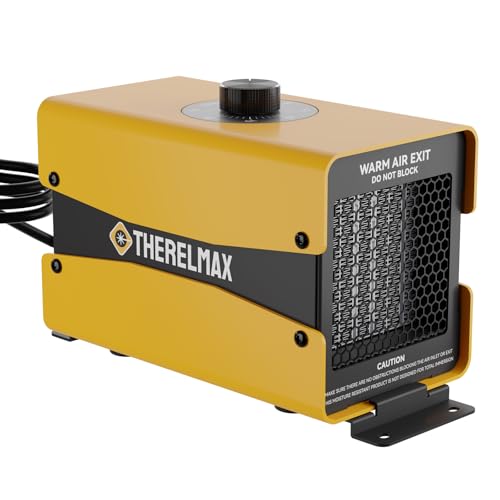
The THERELMAX HMA650 Offers Fast PTC Ceramic Heating And A Built-In Adjustable Thermostat (41°F–86°F). The Manufacturer Recommends About 46°F For Typical Engine Compartment Protection.
- Adjustable Thermostat: User-controllable set point for applications including bilges, RV bays, and greenhouses.
- Rapid Heat: Advertised 3-second fast heating response from PTC element for prompt temperature rise.
- Versatility: Designed For Multiple Uses Including Protecting Pumps, Batteries, And Lines From Freezing.
Application notes: A Practical Option For Owners Who Want User Adjustability And A Balance Of Power And Fast Response In Moderate To Cold Conditions.
BoatSafe Max 1000W Bilge Heater

The BoatSafe Max Is A High-Capacity Marine Heater Intended To Extend Boating Season By Providing Robust Protection For Larger Vessels. Its 1000W Output Is Aimed At Maintaining Safe Temperatures In Bigger Engine Compartments.
Call 888-896-7031 for Free Local HVAC Quotes – Compare and Save Today!
- High Wattage: Greater heat output for boats with larger bilges or in very cold climates.
- Durability: Built For Continuous Marine Use And Multi-Use Applications (RV, Camper, Workshop).
- Installation: Designed For Easy Mounting And Long-Term Operation In Marine Environments.
Application notes: Suited For Owners Of Larger Yachts Or Commercial Craft Where Maximum Heat Capacity Is Desired To Prevent Freeze Damage Across A Bigger Space.
CAFRAMO SEEKR 400W Bilge Heater

The CAFRAMO SEEKR 400W Is Marketed With Ignition-Proof Certification And Meets USCG/UL-1500 Guidelines For Use In Bilges. It Uses A Self-Regulated PTC Element And Dual Fan Redundancy For Added Security In Case One Fan Fails.
- Regulatory Compliance: Meets ignition protection standards suitable for many bilge installations.
- Redundancy: Two fans improve reliability in demanding marine conditions.
- Compact And Proven: Established design well-suited to typical engine compartments and smaller boats.
Application notes: Recommended Where Regulatory Compliance And Redundant Airflow Are Important Considerations For Safety-Conscious Installations.
Buying Guide: Choosing The Right Bilge Heater
Selecting a bilge heater requires balancing safety, wattage, mounting, and control features. Use the points below to compare models and determine which heater meets your vessel’s needs.
1. Wattage And Vessel Size
Wattage Determines How Much Heat A Heater Can Deliver. Smaller boats often use 300–500W units; medium-to-large engine rooms can require 650–1000W. Consider compartment volume and expected ambient low temperatures to size appropriately.
2. Safety Certifications And Ignition Protection
Look For Units That Meet Marine Ignition Protection Standards Or USCG/UL Guidelines If The Heater Will Be Installed In The Bilge Where Gasoline Vapors May Accumulate. Ignition-Proof Components And Stainless Steel Modules Add Safety Margin.
3. Heating Element Type
PTC (Positive Temperature Coefficient) Elements Self-Regulate Temperature, Lowering Overheat Risk. Ceramic PTC Types Offer Fast Heat-Up. Review manufacturer specs to confirm self-regulating behavior and thermal cutouts.
4. Thermostat And Control Options
Built-In Adjustable Thermostats Allow You To Set Minimum Temperatures; Automatic On/Off Controls Reduce Energy Use. If you need remote monitoring or integration with vessel systems, check compatibility with external thermostats or controllers.
5. Airflow, Fans, And Mounting Orientation
Waterproof Fans Are Essential For Bilge Use. Dual fans or redundancy improve reliability in harsh conditions. Confirm mounting orientation options; many units can mount upside-down or vertically for flexible installation.
6. Materials And Corrosion Resistance
Marine Environments Demand Corrosion-Resistant Housings, Sealed Electronics, And Stainless Steel Or Anodized Components. These extend service life and prevent electrical faults from salt air exposure.
7. Wet-Location Rating And Component Protection
Ensure Fans, Controllers, And Wiring Are Rated For Wet Locations. Look For Sealed Electronics Modules And IP Ratings Where Provided. Waterproof connectors and sealed housings improve reliability.
8. Installation Considerations
Plan Wiring To Meet Marine Electrical Codes, Using Proper Circuit Protection, Fuses, Or Breakers. Position The Heater To Promote Air Circulation, Avoid Direct Contact With Fuel Lines, And Keep Clear Of Combustible Materials.
9. Energy Use And Power Source
Higher wattage heaters draw more current. Verify your battery bank and alternator capacity to support continuous or cyclical operation during shore power or while on battery. Consider thermostat control to minimize run time.
10. Accessories And Ventilation Options
Some installations benefit from ducting or blower hoses to route warm air to specific areas. A compatible 3″ marine blower hose can extend reach and direct airflow where needed; ensure hose temperature ratings meet heater output.
Comparison Perspectives
When comparing models, weigh these perspectives to reach an informed choice:
- Safety-First: Prioritize ignition-proof designs and wet-location ratings if working inside the bilge near fuel vapors.
- Capacity-Oriented: Match wattage to compartment size; larger boats often need 650W–1000W or higher.
- Reliability-Focused: Models with dual fans or sealed modules offer redundancy for unattended winter storage.
- Control And Efficiency: Adjustable thermostats and PTC elements provide automatic regulation to conserve power.
- Installation Ease: Consider mounting flexibility, size constraints, and whether additional ducting or hose is required for effective airflow.
Use The Above Factors To Assess Which Heater Matches Your Vessel’s Physical Space, Power Availability, And Safety Requirements. Proper Sizing, Certified Components, And Correct Installation Are Key To Effective Freeze Protection.
Tips for Getting the Best HVAC Prices
- Prioritize Quality Over Cost
The most critical factor in any HVAC project is the quality of the installation. Don’t compromise on contractor expertise just to save money. - Check for Rebates
Always research current rebates and incentives — they can significantly reduce your overall cost. - Compare Multiple Quotes
Request at least three estimates before making your choice. You can click here to get three free quotes from local professionals. These quotes include available rebates and tax credits and automatically exclude unqualified contractors. - Negotiate Smartly
Once you've chosen a contractor, use the proven strategies from our guide — How Homeowners Can Negotiate with HVAC Dealers — to get the best possible final price.