
Keeping a boat cabin and engine compartment above freezing protects pumps, batteries, and electronics during cold weather. Below is a quick summary of five well-rated boat cabin heaters covering electric PTC bilge heaters, a portable space heater, and a gasoline forced-air unit to suit different installation needs.
| Product | Type | Key Feature |
|---|---|---|
| Xtreme Heaters 400W Marine Bilge Heater | Electric PTC Bilge Heater | Self-regulating PTC, anodized case, waterproof fan |
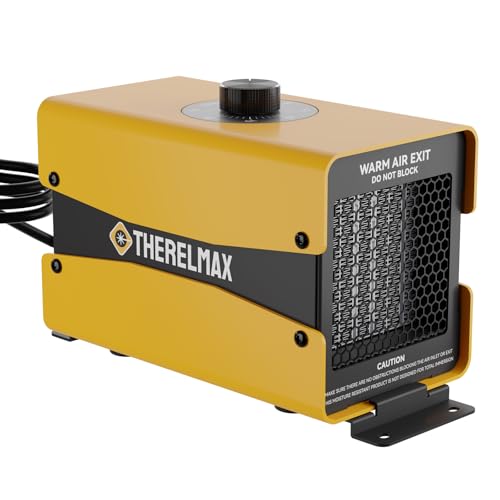
| THERELMAX 650W Boat Cabin Heater (Yellow) | Electric Bilge Heater With Thermostat | Adjustable thermostat, 3s fast heating |
| Xtreme Heaters Portable Cabin & RV Heater | Portable Electric Space Heater | Low-profile design, tip-over switch |
| General Components Bison 2000A Gasoline Air Heater | 2kW Forced-Air Gasoline Parking Heater | High heat output, digital controller, 12V |
| Haoguo 400W Boat Engine Compartment Heater | Electric PTC Bilge Heater | Self-regulating PTC, 40 CFM waterproof fan |
Content Navigation
Xtreme Heaters 400W Marine Bilge Heater

This Xtreme Heaters unit is described as a 400W marine certified bilge heater designed for engine compartments, under-RV use, well houses, greenhouses and boats. The manufacturer notes a smaller footprint with increased wattage compared to prior models and highlights a self-regulating PTC element that turns on at 40°F and off at 55°F.
Construction details reference an anodized case, sealed electronics module and a waterproof 58 CFM fan. The design supports mounting in any orientation, including upside down. These attributes emphasize durability, corrosion resistance, and continuous airflow to maintain compartment temperature.
Use cases listed include winter storage, freeze protection for pumps and batteries, and general compartment climate stabilization. The self-regulating PTC control reduces the need for manual thermostat adjustments.
THERELMAX 650W Boat Cabin Heater With Thermostat
Call 888-896-7031 for Free Local HVAC Quotes – Compare and Save Today!
This THERELMAX model is a 650W PTC ceramic bilge heater promoted for extending boating season and preventing freeze damage in bilges and engine compartments. The unit includes an adjustable thermostat with a reported range of 41°F–86°F and a recommended setting for engine compartments.
The product description highlights 3-second fast heating capability and suitability for multiple applications such as RV bays, wellhouses, greenhouses and lithium battery warmers. The combination of a high-watt PTC element and waterproof fan aims to raise and maintain local compartment temperature quickly and evenly.
Built-in thermostat control offers greater flexibility for users who need to set target temperatures rather than relying on fixed on/off thresholds. The waterproof fan and PTC heating element are noted for safety in marine environments.
Xtreme Heaters Boat, Cabin, & RV Portable Heater

The Xtreme Heaters portable space heater targets small enclosed spaces such as cabins, boats and RV interiors. The design emphasizes a low profile and quiet operation, with air intake from the top to allow placement against walls and on carpeted surfaces.
Safety features called out include a tip-over switch that automatically cuts power if the unit falls, and a stable base to reduce tipping risk. This unit is positioned more as a supplemental cabin heater to improve occupant comfort rather than a bilge or engine compartment freeze prevention device.
Call 888-896-7031 for Free Local HVAC Quotes – Compare and Save Today!
For users seeking a temporary or portable interior heater for occupied spaces, this model provides a simple plug-in option with safety cutouts. It is not described as a sealed marine bilge unit and should be used where splash and moisture exposure are limited.
General Components Bison 2000A Gasoline 2kW Air Heater

The Bison 2000A is a 2 kW gasoline forced-air parking heater intended for cab, bunk and small cabin heating in trucks, vans, RVs and boats. It operates on 12V DC and is described as quiet and efficient, producing between 0.9 kW and 2 kW of heat output.
Key attributes include a digital controller, low fuel consumption, and a compact design for rapid warm-up. The heater forces heated air into the cabin or enclosed space and can keep windows frost-free and interiors comfortable without idling the main engine.
As a combustion-based unit, installation involves fuel plumbing and exhaust routing. This makes it a different class than electric PTC bilge heaters: it delivers significantly higher heat output suitable for larger cabins or when sustained interior warmth is required independent of shore power.
Haoguo 400W Boat Engine Compartment Heater

The Haoguo 400W bilge heater is designed for closed engine compartments and advertises protection for cabin pumps, batteries and critical engine components. It uses a self-regulating PTC element with an open threshold around 40°F and includes overcurrent protection.
The unit features a 40 CFM waterproof fan intended to circulate air throughout compartments up to the stated cubic foot capacity, providing uniform heating. Portability and straightforward installation are noted for practical deployment in small boats.
Emphasis is placed on consistent compartment temperature management via the PTC element, which reduces risk of freeze cycles and minimizes manual thermostat intervention. The waterproof fan supports marine use where humidity and moisture exposure are concerns.
Buying Guide: How To Choose A Boat Cabin Heater
Selecting the right heater depends on application, power availability, cabin size, installation constraints and safety needs. Below are key considerations and comparison perspectives to guide a purchase.
Tips for Getting the Best HVAC Prices
- Prioritize Quality Over Cost
The most critical factor in any HVAC project is the quality of the installation. Don’t compromise on contractor expertise just to save money. - Check for Rebates
Always research current rebates and incentives — they can significantly reduce your overall cost. - Compare Multiple Quotes
Request at least three estimates before making your choice. You can click here to get three free quotes from local professionals. These quotes include available rebates and tax credits and automatically exclude unqualified contractors. - Negotiate Smartly
Once you've chosen a contractor, use the proven strategies from our guide — How Homeowners Can Negotiate with HVAC Dealers — to get the best possible final price.
Application And Location
- Bilge/Engine Compartment — Use sealed PTC bilge heaters with waterproof fans and corrosion-resistant housings to protect pumps, fuel lines and batteries.
- Occupied Cabin — For occupant comfort, consider forced-air combustion heaters or portable electric space heaters rated for indoor use. Ensure adequate ventilation for combustion units.
- Portable vs Permanent — Portable electric heaters suit temporary use; fixed heaters require mounting and, for combustion types, exhaust/fuel routing.
Power Source And Availability
- Shore Power/AC — Electric PTC heaters require AC or inverter capacity; check wattage and battery/inverter sizing to avoid overloads.
- 12V Systems — Some forced-air and diesel/gas heaters run off 12V and draw modest electrical current; they require fuel but reduce shore power dependence.
- Fuel-Based Heaters — Provide higher sustained heat output and are efficient for larger cabins, but require safe fuel storage and proper exhaust installation.
Heating Technology And Safety
- PTC Ceramic Elements — Self-regulating behavior reduces overheating risk and cycles based on ambient temperature; good for bilges and engine bays.
- Forced-Air Combustion — Higher BTU/kW output for rapid cabin warm-up. Must meet marine exhaust and CO safety standards when used aboard.
- Portable Electric Heaters — Include tip-over and overheat protection, suitable for occupied areas but generally not for wet bilge locations.
Fan And Airflow
- Waterproof fans with specified CFM (cubic feet per minute) help circulate warm air across compartments.
- Higher CFM promotes faster uniform heating but may draw more power and generate noise. Review manufacturer airflow specs versus compartment volume.
Thermostat And Controls
- Adjustable Thermostats allow precise temperature targets and reduce energy consumption by avoiding continuous operation at high power.
- Self-Regulating PTC provides automatic on/off behavior at set thresholds, reducing complexity for installations without a separate thermostat.
Durability And Marine Suitability
- Look for anodized or stainless housings, sealed electronics, and waterproof fan assemblies for corrosion resistance in marine environments.
- Mounting flexibility and vibration resistance are important for engine compartments and mobile installations.
Installation Complexity
- Electric Bilge Heaters — Typically bolt-in or bracket-mounted with wiring to a switched circuit or dedicated breaker; moderate DIY work for those comfortable with marine electrical systems.
- Combustion Heaters — Often require professional installation for fuel lines, combustion air intake, exhaust routing and safety compliance.
- Consider space for the unit, access for maintenance, and routing for wiring or fuel.
Noise, Ventilation And Occupant Comfort
- Review fan noise and operational sound levels for units installed near sleeping quarters.
- Combustion heaters need exhaust ventilation and CO monitoring; electric units avoid combustion byproducts but require adequate airflow for heat distribution.
Comparison Perspectives
- Small Enclosed Engine Compartments: Electric PTC bilge heaters (Xtreme, Haoguo) balance safety and low maintenance.
- Large Cabins Or Continuous Occupancy: Forced-air gasoline/diesel heaters (General Components Bison) offer higher sustained heat independent of shore power.
- Temporary Cabin Comfort: Portable electric heaters (Xtreme portable) supply rapid occupant comfort but are not ideal for wet or exposed bilge areas.
Final Checklist Before Purchase
- Confirm heater type matches the intended location (bilge vs. cabin).
- Verify power or fuel compatibility with your vessel systems.
- Check manufacturer specifications for waterproof rating, fan CFM, thermostat options and mounting orientation.
- Plan for safe installation: wiring, breakers, fuel routing and exhaust clearances as applicable.
- Consider adding temperature sensors and CO monitors when installing combustion heaters.