
Keep Engines, Bilges, And Components Safe From Freezing Temperatures
This guide reviews five marine-grade engine compartment heaters suitable for boats, RVs, and similar enclosures. Each entry summarizes certified features, heating output, thermostat behavior, and installation-relevant details to help choose the right unit for your vessel.
| Product | Brand | Power / Key Feature |
|---|---|---|
| Boat Engine Compartment Heater | 800w Marine Certified Bilge Heater | Xtreme Heaters | 800W, Self-Regulating PTC, 58 CFM Fan |
| Boat Engine Compartment Heater Built-in Thermostat, 650W | Therelmax | 650W, Adjustable Thermostat (41–86°F), Fast Heating |
| Twin Hornet 45 700w Boat Bilge Engine Compartment Heater | Intotal | 700W, Stainless Steel Heating Module, Waterproof Fan |
| SEEKR Pali Boat Engine Compartment Heater 400W | CAFRAMO | 400W, Ignition Proof, Dual-Fan Redundancy |
| BoatSafe Max 1000W Boat Engine Compartment Heater | BoatSafe Heaters | 1000W, High-Capacity Marine Heater |
Content Navigation
- Xtreme Heaters 800W Marine Bilge Heater
- Therelmax 650W Bilge Heater With Adjustable Thermostat
- Twin Hornet 45 700W Boat Bilge Heater
- Caframo SEEKR Pali 400W Ignition-Proof Heater
- BoatSafe Max 1000W High-Capacity Bilge Heater
- Buying Guide: How To Choose A Boat Engine Compartment Heater
- 1. Safety And Certification
- 2. Power Output And Space Size
- 3. Thermostat Control And Operation
- 4. Airflow, Fans, And Distribution
- 5. Materials, Mounting, And Corrosion Resistance
- 6. Electrical And Installation Considerations
- 7. Reliability And Maintenance
- 8. Application-Specific Choices
- 9. Comparison Perspectives
Xtreme Heaters 800W Marine Bilge Heater

Brand: Xtreme Heaters
Key features include a self-regulating PTC element, a 58 CFM waterproof fan, and an anodized case with sealed electronics. The unit is reported as 10% smaller than prior models with an added 150 watts of output. The thermostat is described to activate at 40°F and deactivate at 55°F.
Practical considerations: the fan airflow rating and sealed electronics indicate suitability for wet bilge spaces. The self-regulating PTC design reduces overheat risk and requires less manual thermostat management. The physical mounting flexibility (any orientation including upside down) supports varied installations in tight engine compartments.
Call 888-896-7031 for Free Local HVAC Quotes – Compare and Save Today!
Therelmax 650W Bilge Heater With Adjustable Thermostat
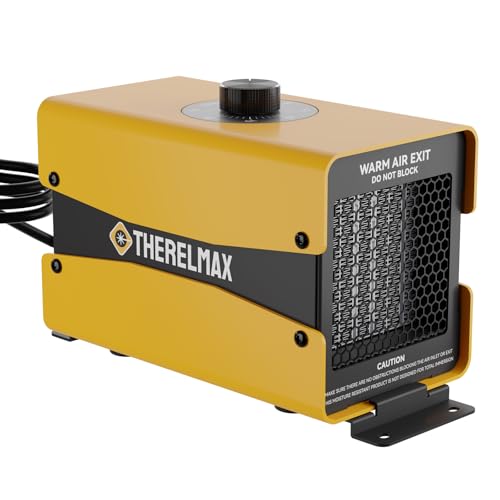
Brand: Therelmax
This model emphasizes an adjustable thermostat (range 41–86°F) and PTC ceramic heating technology with rapid heat-up (noted as “3s fast heating”). It is positioned for multi-use — bilges, RV bays, greenhouses, and lithium battery warmers. The manufacturer suggests a recommended setpoint of 46°F for engine compartments.
Practical considerations: the adjustable thermostat gives precise control when used in diverse applications. Rapid heating capability helps prevent short cold snaps from causing freeze risk. Installation planning should include available electrical capacity and clear airflow paths for the built-in waterproof fan to circulate warmth effectively.
Twin Hornet 45 700W Boat Bilge Heater

Brand: Intotal
Call 888-896-7031 for Free Local HVAC Quotes – Compare and Save Today!
Features include a patented stainless steel heating module, self-temperature regulating heating elements, and waterproof fans and controllers. The product is described as designed for safety in wet locations and areas with combustible gases, indicating attention to marine ignition protection considerations.
Practical considerations: stainless components can offer long-term corrosion resistance in marine environments. The self-regulating element minimizes thermostat adjustments and overheat risk. For vessels with confined bilge geometries, pay attention to recommended clearance and airflow orientation to ensure uniform heat distribution.
Caframo SEEKR Pali 400W Ignition-Proof Heater

Brand: CAFRAMO
This unit meets ignition protection standards (USCG, UL-1500) for bilge use and uses a self-regulated PTC element. It includes dual fans for airflow redundancy, which is intended to maintain circulation if one fan fails. Rated output is 400W (1365 BTU).
Practical considerations: ignition-proof certification is essential for many engine compartments where fuel vapors may be present. Dual-fan redundancy supports reliability in critical bilge heating applications. The lower wattage suits smaller compartments or where power availability is limited.
BoatSafe Max 1000W High-Capacity Bilge Heater

Brand: BoatSafe Heaters
Marketed as a top-line, high-capacity marine engine heater. The unit’s larger wattage is intended to extend boating season for vessels with larger engine compartments or in colder climates where additional heating power is required.
Practical considerations: higher wattage provides quicker temperature recovery and better performance in larger spaces, but requires verifying onboard circuit capacity and breaker protection. Larger heaters may demand more secure mounting and airflow management to avoid hotspots and to ensure effective circulation across the compartment.
Buying Guide: How To Choose A Boat Engine Compartment Heater
Selecting the right heater requires balancing safety, power, and installation constraints. Below are key considerations and comparison perspectives to evaluate before purchase.
1. Safety And Certification
- Ignition Protection / Marine Certifications: If the bilge may contain fuel vapors, choose a heater with USCG or ignition-proof ratings (for example, models claiming UL-1500 compliance).
- Self-Regulating PTC Elements: PTC heaters reduce overheat risk by limiting current as temperature rises; beneficial for unattended bilges.
2. Power Output And Space Size
- Wattage Versus Volume: Higher wattages (700–1000W) suit larger compartments or colder climates; lower wattages (400W) can be adequate for small, well-insulated bilges.
- Heater Coverage: Cross-check manufacturer guidance on cubic foot coverage or recommended boat length to match capacity to your compartment volume.
3. Thermostat Control And Operation
- Built-In Adjustable Thermostats: Allow setting target temperatures; useful when a specific protective temperature is desired (e.g., ~46°F for engine areas).
- Self-Regulating / Fixed On-Off: Self-regulating heaters are simpler and safer for unattended use, while adjustable thermostats add control for multi-purpose applications.
4. Airflow, Fans, And Distribution
- Waterproof Fans And CFM Rating: Fans circulate heat—check CFM numbers when provided (e.g., 58 CFM) and ensure fans are rated for bilge/wet use.
- Redundancy: Dual-fan designs offer redundancy in case of fan failure, improving reliability.
5. Materials, Mounting, And Corrosion Resistance
- Housing Materials: Stainless steel or anodized casings increase corrosion resistance in marine environments.
- Mounting Options: Confirm whether the unit can be mounted in multiple orientations and what clearances are recommended for safe operation.
6. Electrical And Installation Considerations
- Onboard Power Capacity: Verify available AC circuits, breaker capacity, and shore power limits before choosing high-wattage units.
- Protection And Wiring: Use marine-grade wiring, proper overcurrent protection, and follow manufacturer installation recommendations to meet safety standards.
7. Reliability And Maintenance
- Sealed Electronics: Sealed control modules and waterproof fans reduce moisture-related failures in bilge environments.
- Serviceability: Consider ease of access for fan or thermostat replacement and check published warranty/support information.
8. Application-Specific Choices
- Cold Climates / Large Compartments: Favor higher-wattage, multi-fan units with robust housings and good airflow distribution.
- Small Boats / Limited Power: Lower-wattage PTC units with efficient fans and self-regulating operation are often a better fit.
- Multi-Use Needs: If using the heater for batteries, greenhouses, or workshop spaces, an adjustable thermostat model offers broader utility.
9. Comparison Perspectives
- Safety-First: If ignition-proof certification is required, prioritize certified models even if wattage is lower.
- Power Versus Efficiency: Higher wattage provides faster recovery, but efficient fan design and placement can often produce comparable results at lower power levels.
- Reliability Versus Cost: Dual-fan redundancy and sealed electronics increase dependability in harsh conditions; weigh that against installation complexity and power needs.
Use the table and product-specific details above to match a heater’s certifications, wattage, thermostat type, and mounting flexibility to your boat’s bilge volume, electrical capacity, and safety requirements.
Tips for Getting the Best HVAC Prices
- Prioritize Quality Over Cost
The most critical factor in any HVAC project is the quality of the installation. Don’t compromise on contractor expertise just to save money. - Check for Rebates
Always research current rebates and incentives — they can significantly reduce your overall cost. - Compare Multiple Quotes
Request at least three estimates before making your choice. You can click here to get three free quotes from local professionals. These quotes include available rebates and tax credits and automatically exclude unqualified contractors. - Negotiate Smartly
Once you've chosen a contractor, use the proven strategies from our guide — How Homeowners Can Negotiate with HVAC Dealers — to get the best possible final price.