
Finding the right bunk heater for a semi means balancing fuel type, power, noise, and installation. Below is a concise comparison table of five top options chosen for semi sleepers and related cabin comfort.
| Product | Type / Power | Key Advantage |
|---|---|---|
| General Components Bison 2000A | Gasoline 2 kW, 12V | Compact, low power draw |
| VEVOR 8KW Diesel Heater | Diesel 8 kW, 12V | High output, all-in-one with tank |
| SEBLAFF 5KW Split Air Heater | Diesel 5 kW, 12V | Split/one-outlet design with LCD |
| Mr Heater Portable LP Unit | Propane 4,000–18,000 BTU | Portable, multi-setting for spot heat |
| Semi Truck Sleeper Window Cover | Accessory – Insulation / Privacy | Improves thermal retention and privacy |
Content Navigation
- General Components Bison 2000A
- VEVOR 8KW Diesel Heater
- SEBLAFF 5KW Split Air Heater
- Mr Heater Portable LP Unit
- Semi Truck Sleeper Window Cover
- Buying Guide: How To Choose A Bunk Heater For A Semi
- Fuel Type: Diesel, Gasoline, Propane, Or Electric
- Power Output And Cabin Size
- Installation, Venting, And Split Versus All-In-One
- Electrical Draw And Idle/Engine Considerations
- Noise, Comfort, And Climate Control
- Fuel Efficiency And Runtime
- Safety Features And Certifications
- Maintenance, Parts Availability, And Warranty
- Comparison Perspectives
General Components Bison 2000A

Overview: The Bison 2000A is a gasoline 12V forced-air bunker heater rated around 0.9–2 kW. It targets small cabins and bunks that need quick, low-energy heating.
Key Features: Product features emphasize quiet operation, efficient heat output, and low energy consumption. The unit runs on gasoline and draws 1.2–2.4 amps at 12V while using very little gasoline (spec listed ~0.03 gallons for typical operation).
Best For: Semi drivers who need a compact, low-draw bunk heater that won’t heavily tax the vehicle electrical system. The design focuses on rapid cabin warm-up and frost prevention.
VEVOR 8KW Diesel Heater
Call 888-896-7031 for Free Local HVAC Quotes – Compare and Save Today!
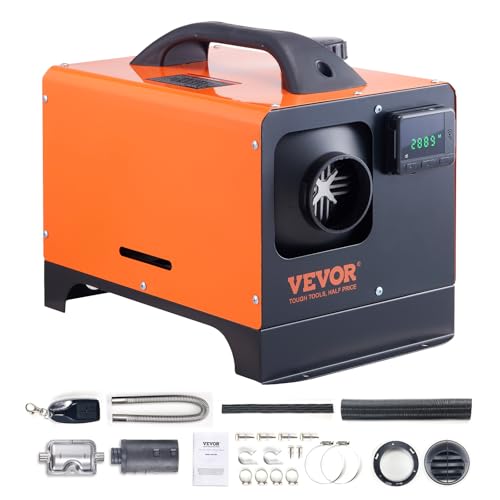
Overview: The VEVOR 8KW is an all-in-one diesel air heater with integrated fuel tank, remote, and LCD control. It’s intended for larger cabin volumes and can serve as a robust bunk heater or space heater for trailers.
Key Features: The unit lists 8 kW output, quick heat transfer via an aluminum heat exchanger, and an onboard 5 L fuel tank for hours of continuous operation. Fuel consumption spec indicates 0.16–0.62 L/h, and a remote/LCD supports 46–96.8 °F (8–36 °C) set range.
Best For: Drivers needing high output and integrated convenience (tank and remote). The model suits larger sleepers or cases where a powerful heater is required for rapid warm-up and engine preheat tasks.
SEBLAFF 5KW Split Air Heater

Overview: SEBLAFF’s unit is a 5 kW diesel split air heater designed as a replacement-style parking heater for trucks, RVs, and boats. It includes an LCD switch and remote control for set-and-forget operation.
Key Features: Manufacturer notes include low noise via a controlled silent fan and oil pump plus low energy operation. The LCD and remote allow temperature adjustment remotely or from the panel.
Call 888-896-7031 for Free Local HVAC Quotes – Compare and Save Today!
Best For: Semi sleepers that require a balance between power and noise control. The split design can reduce in-cabin bulk and allow flexible installation locations for combustion components and the heat outlet.
Mr Heater Portable LP Unit
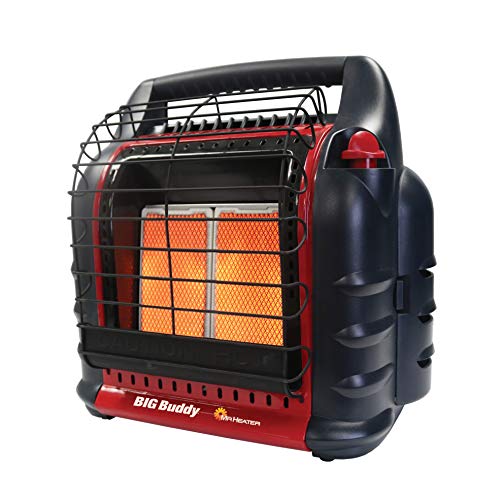
Overview: The Mr Heater portable LP heater is a propane-powered unit offering variable output from 4,000 to 18,000 BTU. It’s a portable spot-heating solution rather than a dedicated 12V bunk heater.
Key Features: Three heat settings, dual-tank connection for extended run time, and built-in safety features like automatic shutoff if tipped. The device is designed for indoor/outdoor use where ventilation and appliance suitability permit.
Best For: Drivers seeking a portable, high-flexibility option for occasional use during stops with adequate ventilation. Not a direct 12V bunk heater replacement but useful for spot heat and outdoor maintenance tasks.
Semi Truck Sleeper Window Cover
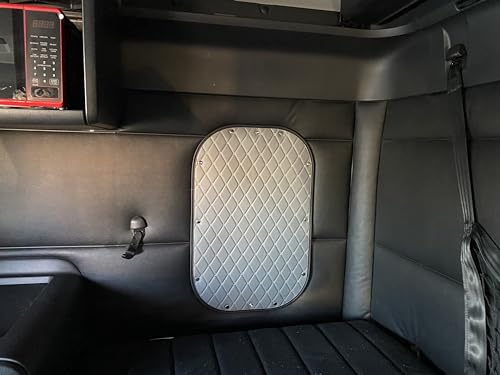
Overview: This double-layer vinyl sleeper window cover is a passive insulation and privacy accessory for Freightliner Cascadia and similar sleepers. It’s listed as durable, blackout, and thermally efficient.
Key Features: The product highlights temperature and energy efficiency, full blackout coverage for improved sleep, and easy installation. The packaging emphasizes reduced heat transfer and UV protection.
Best For: Semi drivers pairing an active bunk heater with improved insulation to retain warmth, reduce heater runtime, and increase sleeping comfort while parked.
Buying Guide: How To Choose A Bunk Heater For A Semi
Selecting the proper bunk heater for a semi requires evaluating fuel type, power output, installation complexity, safety, noise, and cabin size. Below are key considerations and comparisons to guide a purchase.
Fuel Type: Diesel, Gasoline, Propane, Or Electric
- Diesel Heaters: Most common for semis. They often integrate with vehicle fuel or include a separate tank. Advantages: high energy density, longer run times, and compatibility with truck diesel systems.
- Gasoline Heaters: Useful when diesel is not available or for specific vehicle setups. They typically have lower outputs for small bunks and can be efficient with lower electrical draw.
- Propane Heaters: Portable and high-output. Require ventilation and adherence to propane safety for indoor use. Best for temporary spot heating rather than continuous in-cabin installation.
- Electric Heaters: Rare as permanent bunk solutions due to high electrical draw unless the truck has a robust idle/run power solution or shore power.
Power Output And Cabin Size
- Match output (kW or BTU) to cabin volume. Small bunks often need 1–3 kW; larger sleepers or communal areas can require 5–8 kW or more.
- Higher output heats faster but consumes more fuel; choose a model with adjustable output for better control and efficiency.
Installation, Venting, And Split Versus All-In-One
- All-In-One Units: Included tank and heater simplify installation but can occupy space. Good for portable or retrofit scenarios.
- Split Systems: Separate combustion and air components allow quieter cabins and flexible placement of combustion parts outside the sleeper area.
- Consider required ducting, exhaust routing, and secure mounting for vibration-prone truck environments.
Electrical Draw And Idle/Engine Considerations
- Check 12V draw at idle and running states. Low amp units like some 2 kW models reduce battery strain.
- Ensure the truck alternator and battery can support the heater if used while engine-off; some drivers integrate with auxiliary batteries or parkside power.
Noise, Comfort, And Climate Control
- Noise levels are critical for sleeping comfort. Look for units with low-noise fans or split designs that place noisy components away from the bunk.
- Remote controls and programmable LCD controllers provide convenience and preheating ability.
Fuel Efficiency And Runtime
- Compare stated fuel consumption metrics. Diesel heaters often claim 0.16–0.62 L/h for medium-high outputs; gasoline units can be very low for small outputs.
- An onboard tank (all-in-one) offers convenience but verify capacity and autonomy hours. For continuous long-haul operations, tie-in to vehicle fuel may be preferred.
Safety Features And Certifications
- Important safety features include flame failure detection, overheat protection, automatic shutoff, and tip-over protection for portable units.
- Confirm appropriate approvals for indoor/vehicle use and follow manufacturer installation guidelines to prevent carbon monoxide risks.
Maintenance, Parts Availability, And Warranty
- Check for accessible filters, replaceable pumps, and branded replacement parts. Diesel and gasoline pumps and nozzles may need periodic service.
- Warranty length and dealer support are important for truck drivers who rely on heaters for overnight comfort.
Comparison Perspectives
- Low Draw & Compact: Smaller gasoline 2 kW units are best where electrical capacity is limited and short-duration heating is needed.
- High Output & Integrated Convenience: 5–8 kW diesel all-in-one heaters suit larger sleepers and those wanting remote preheat without complex installation.
- Noise-Sensitive Sleepers: Split systems and units advertising silent fans or reduced pump noise improve sleep quality.
- Accessory Strategy: Combining an efficient heater with passive insulation (window covers, sunshades, curtains) reduces runtime and fuel use.
When evaluating products, cross-reference listed features (power, fuel consumption, control options) with your truck’s electrical/fuel setup and the typical climate where you operate. Prioritize safety, ease of installation, and the balance of noise vs. heat output for the best long-haul bunk heating solution.
Tips for Getting the Best HVAC Prices
- Prioritize Quality Over Cost
The most critical factor in any HVAC project is the quality of the installation. Don’t compromise on contractor expertise just to save money. - Check for Rebates
Always research current rebates and incentives — they can significantly reduce your overall cost. - Compare Multiple Quotes
Request at least three estimates before making your choice. You can click here to get three free quotes from local professionals. These quotes include available rebates and tax credits and automatically exclude unqualified contractors. - Negotiate Smartly
Once you've chosen a contractor, use the proven strategies from our guide — How Homeowners Can Negotiate with HVAC Dealers — to get the best possible final price.