
If you need a compact, fuel-based solution for warmth or cooking indoors during outages, camping, or in workshops, this guide compares top-rated butane heaters and dual-purpose units suitable for indoor use where manufacturer guidance allows. Below is a quick comparison of the five selected models to help you scan features and intended uses.
| Product | Primary Use | Key Features |
|---|---|---|
| Iwatani 35FW Single-Burner Butane Cooktop | Indoor/Outdoor Cooking | 15,000 BTU, brass burner, easy canister loading |
| Naturehike Portable 3-in-1 Camping Heater | Small Space Heating & Cooking | 3,750 BTU, warming shelf, 240-minute runtime |
| VESTA Self-Powered Indoor/Outdoor Heater & Stove | Emergency Indoor Heating & Cooking | No electricity, safe for indoor use, heats up to 200 sq ft |
| HTTMT 2-in-1 Butane Ceramic Heater Burner | Tent/Portable Heating & Cooking | 4,400–10,000 BTU, fast heating, dual-purpose |
| Gas One Portable Butane Camping Stove | Indoor/Outdoor Cooking | 7,650 BTU, CSA approved, automatic ignition |
Content Navigation
Iwatani 35FW Single-Burner Butane Cooktop
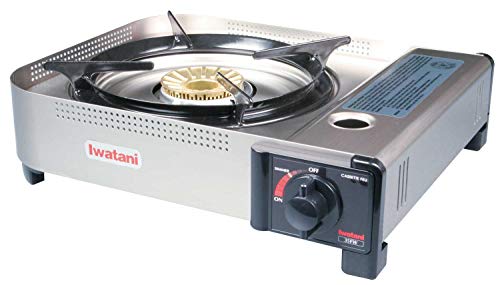
The Iwatani 35FW is positioned as a high-output single-burner butane cooktop designed for both indoor and outdoor use when ventilated properly. Its 15,000 BTU output and durable brass burner deliver strong, consistent heat for rapid boiling and stovetop cooking tasks.
Key operational points from the product features: the canister locks in magnetically for easy loading and reduced chance of incorrect installation. The design includes an advanced heat panel that claims to utilize the entire butane canister efficiently, minimizing residual fuel. This model is commonly used for tabletop cooking, portable kitchens, and emergency preparedness kits.
Consider this unit if you need a compact, high-output cooktop with reliable ignition and a reputation for durable brass construction. Follow all manufacturer instructions for indoor ventilation and canister handling.
Naturehike 3-in-1 Portable Butane Heater

Call 888-896-7031 for Free Local HVAC Quotes – Compare and Save Today!
Naturehike markets a 3-in-1 device that functions as a heater, cooking surface, and warming shelf. With 3,750 BTU output and cellular porous mesh heating technology, the unit is intended to warm small spaces efficiently and rapidly.
Manufacturer features note a coverage estimate for 54–108 square feet and a runtime of up to 240 minutes on an 8 oz butane canister (reduced runtime at max power). The compact footprint and integrated handle increase portability for camping and temporary indoor use where allowed.
For indoor use, check ventilation, CO alarms, and the product manual. This model emphasizes versatility for campers who need both heat and a cooking surface in compact situations.
VESTA Self-Powered Indoor/Outdoor Heater & Stove

The VESTA unit is promoted as a compact, off-grid heater and stove designed for emergency indoor use. It distinguishes itself by operating without electricity and using canned heat as fuel. The manufacturer says it can heat areas up to 200 square feet and is safe for indoor use per product information.
Key selling points include a two-in-one design, no reliance on electrical power, and suitability for emergency situations. The product’s intended indoor capability means users must still adhere to ventilation guidance and monitor CO levels. It is a distinct approach compared to butane canister heaters, relying on canned heat chemistry rather than a butane cartridge.
Call 888-896-7031 for Free Local HVAC Quotes – Compare and Save Today!
Users evaluating off-grid indoor options can weigh the VESTA for short-term emergency warmth and basic cooking, ensuring compatibility with local indoor safety recommendations.
HTTMT 2-in-1 Butane Ceramic Heater Burner
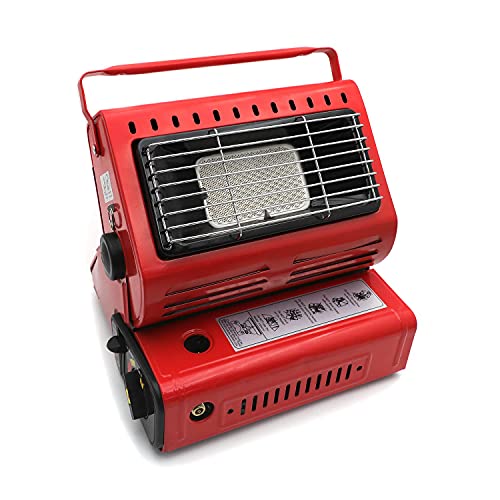
The HTTMT unit is a dual-purpose tent heater and cooking stove built for rapid heating with a claimed range of 4,400 to 10,000 BTU. The manufacturer highlights near-instantaneous heat output and a heating area of roughly 100 square feet.
Product features emphasize multifunctionality for cooking, toasting, and heating, with a design intended for camping, fishing, and emergency scenarios. The unit’s portable profile and ceramic burner structure offer efficient heat transfer.
Because the HTTMT is commonly used in enclosed or semi-enclosed spaces like tents, users should strictly follow safety guidance, observe ventilation requirements, and use carbon monoxide detection when operating indoors or in occupied shelters.
Gas One Portable Butane Camping Stove

The Gas One portable butane stove offers 7,650 BTU heat output and CSA certification for U.S. and Canadian standards. Features include automatic piezo ignition, a fuel cartridge injection safety system, and a safety eject mechanism if the canister is subjected to improper force.
This model is described as fuel-efficient and suitable for camping, tailgating, emergency kits, and indoor tabletop cooking when manufacturer instructions permit. The combination of CSA approval and built-in safety features is relevant for indoor-oriented consumers who prioritize certified safety components.
As with other fuel-based devices, follow ventilation and CO safety practices. The Gas One unit emphasizes stable operation and controlled heat, making it appealing for users who want a balance between portability and recognized safety testing.
Buying Guide For Butane Heaters Intended For Indoor Use
This buying guide covers critical considerations when selecting a butane or portable fuel heater for indoor or sheltered use. Compare units using the following perspectives.
Safety Certifications And Indoor Suitability
- Look For Certifications: CSA, UL, or other national safety listings indicate testing against standards relevant to indoor use. Certification alone does not guarantee safe use without following ventilation and manufacturer instructions.
- Carbon Monoxide Risk: Any combustion-based heater emits combustion byproducts. Use CO detectors in any occupied indoor space and ensure adequate ventilation.
- Tip-Over And Shutoff Features: Automatic shutoff on tip-over or low-oxygen sensors reduce risk in sleeping areas or small rooms.
Fuel Type, Availability, And Runtime
- Butane Canisters: Common 8 oz canisters are widely available for camping models; check run time estimates and whether the device claims full-can utilization.
- Dual-Fuel Options: Some units support propane or adapters for 1 lb cylinders—useful for longer runtimes but check compatibility for indoor approvals.
- Runtime Expectations: Compare continuous run time at low and high settings to match your use case (e.g., emergency heating vs. occasional cooking).
Heat Output And Coverage
- BTU Rating: Higher BTU delivers faster heating and higher surface cooking output. Match BTU to room size—small units (3,000–5,000 BTU) suit tents or small rooms; 7,000–15,000 BTU units are for cooking or larger temporary spaces.
- Heat Distribution: Look for designs with panels, ceramic elements, or insulated reflectors for more even heat in enclosed spaces.
Functionality: Heater, Stove, Or Combo
- Dual-Purpose Units: Devices that double as stoves offer cooking flexibility but may concentrate heat in one spot. Evaluate intended primary use.
- Cooking Controls: Precise heat control and reliable ignition are useful when preparing food indoors.
Portability, Size, And Build
- Weight And Handle: If you plan to move between rooms, campsites, or vehicle storage, small form factor and built-in handles matter.
- Durability: Brass burners and ceramic surfaces typically have strong heat tolerance; plastic housings vary in long-term resilience.
Maintenance, Fuel Loading, And Usability
- Canister Loading Mechanism: Magnetic locks or injection systems reduce user error. Check how easy it is to replace canisters in low light or cold conditions.
- Ignition Type: Piezo ignition avoids lighters; battery-less systems reduce dependence on external power.
- Cleaning And Service: Consider how to clean burner ports and whether replacement parts are available.
Regulatory And Environmental Considerations
- Local Regulations: Some jurisdictions advise against indoor use of certain portable combustion heaters—verify local codes.
- Emissions And Ventilation: Even approved indoor units require ventilation to reduce moisture and combustion byproducts; avoid prolonged operation in sealed rooms.
Comparison Perspectives
- Emergency Indoor Use: Prioritize units explicitly rated or marketed for indoor emergency use, CO monitoring, and shutoff features.
- Camping Or Tent Use: Choose lighter, efficient models with good heat-to-weight ratios and proven run times for extended trips.
- Cooking-Focused: For frequent indoor cooking, prefer higher BTU cooktops with stable flame control and durable burners.
When evaluating models, cross-check manufacturer guidance on indoor usage, consult CO safety resources, and match BTU and fuel compatibility to your intended applications. Use CO and smoke detectors when operating any combustion device inside enclosed spaces.
Tips for Getting the Best HVAC Prices
- Prioritize Quality Over Cost
The most critical factor in any HVAC project is the quality of the installation. Don’t compromise on contractor expertise just to save money. - Check for Rebates
Always research current rebates and incentives — they can significantly reduce your overall cost. - Compare Multiple Quotes
Request at least three estimates before making your choice. You can click here to get three free quotes from local professionals. These quotes include available rebates and tax credits and automatically exclude unqualified contractors. - Negotiate Smartly
Once you've chosen a contractor, use the proven strategies from our guide — How Homeowners Can Negotiate with HVAC Dealers — to get the best possible final price.