
Cold weather reduces battery performance and increases no-start risk. This guide compares popular car battery heaters and insulation wraps so you can choose a solution matched to your vehicle, climate, and power access. Below is a summary table of the five selected products and their key attributes for quick comparison.
| Product | Type | Power/Temp Control | Notable Feature |
|---|---|---|---|
| BSTFLEX Battery Wrap Heat Shield Barrier | Thermal Wrap / Heat Shield | Passive, self-adhesive | High temperature barrier to 2,000°F |
| Maichis Silicone Battery Heater Pad | Electric Heater Pad | Thermostatically controlled (on 32°F, off 122°F) | Durable silicone, 60W at 120V |
| Facon Silicone Battery Heater Pad | Electric Heater Pad | Thermostat controlled (auto-off ≈68°F) | Waterproof silicone, 60W at 120V |
| DEGEOBERLIN Battery Blanket Insulation Kit | Insulation Wrap / Blanket | Passive | Fire-resistant materials, high temp tolerance |
| Zerostart Electric Battery Blanket | Electric Battery Blanket | 120V, 80W, CSA approved | Thinsulate insulation, raises core temp 60–70°F above ambient |
Content Navigation
Zerostart Electric Battery Blanket

The Zerostart Electric Battery Blanket is a plug-in battery heater designed to warm the battery core for improved cold-weather starting. It uses Thinsulate thermal insulation and supplies 80 watts at 120V, with a 36-inch wrap length and a 30-inch ground cord for placement flexibility.
Manufacturer notes the blanket is CSA approved and can raise the battery core temperature by about 60–70°F above ambient, which helps preserve cold cranking amps. The low-profile design is intended to fit many battery sizes and provides continuous heating when plugged in.
Use considerations: requires 120V power access and secure installation to avoid contact with terminals. The blanket is targeted at users with routine access to shore or garage power where continuous warming is practical.
Maichis Silicone Battery Heater Pad

Call 888-896-7031 for Free Local HVAC Quotes – Compare and Save Today!
The Maichis Silicone Battery Heater Pad is an electrically powered pad sized about 8.5″ x 7.9″. It is rated 120V, 60W and includes a built-in thermostat that switches on at 32°F (0°C) and off at 122°F (50°C) to prevent overheating.
Construction is durable silicone designed for automotive environments, offering flexibility and resistance to oils. The thermostatic control reduces user oversight and cycles power based on surface temperature, which improves safety compared with non-controlled pads.
Use considerations: requires an accessible 120V outlet; placement should avoid direct contact with terminals and moving parts. The pad is suitable for single-battery applications where a controlled electric heater is desired.
Facon Silicone Battery Heater Pad
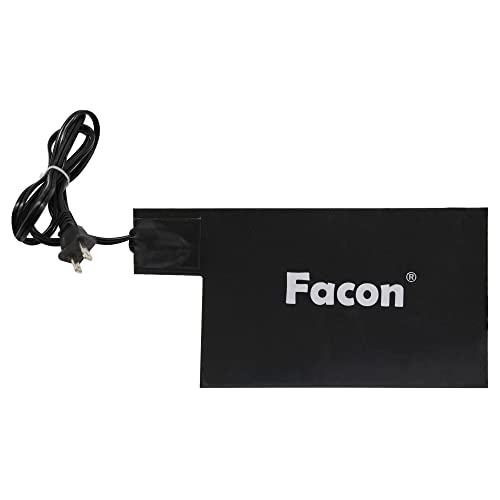
The Facon Silicone Battery Heater Pad is a 120V, 60W heater pad with thermostat control. Its listed size is 8.5″ x 5.5″, and the manufacturer indicates the thermostat will switch the unit off near 68°F plus or minus 10°F after warming the battery.
This unit emphasizes waterproof and oil-resistant silicone coating for longevity in automotive compartments. The pad comes with an extended cord for easier access to a 120V outlet and is intended for quick warm-ups of batteries in cold climates.
Call 888-896-7031 for Free Local HVAC Quotes – Compare and Save Today!
Use considerations: intended for intermittent use to bring the battery to optimal working temperature, then unplug. The pad’s waterproof construction helps in damp engine bays, but proper routing away from terminals and belts remains necessary.
BSTFLEX Battery Wrap Heat Shield Barrier

The BSTFLEX Battery Wrap Heat Shield is a passive thermal barrier intended to protect batteries from radiant heat and extreme ambient temperatures. It measures 8″ x 40″ and uses a self-adhesive installation method.
Manufacturer claims material performance up to 2,000°F maximum ambient temperature, positioning this product as focused on protecting batteries from external heat sources and engine bay radiant heat rather than providing active warming.
Use considerations: being passive, it requires no power and can be cut to fit many battery sizes. It can help with both cold-weather retention of heat and protection from high engine or exhaust heat in hot climates. Proper adhesion and routing around battery terminals are important for safety.
DEGEOBERLIN Battery Insulation Blanket

The DEGEOBERLIN Battery Insulation Blanket is a 40″ x 7″ wrap designed to insulate and shield batteries from extreme cold and heat. The product highlights fire-resistant materials and claims high-temperature endurance and acid-neutralizing properties.
The insulation is presented as thicker than comparable wraps, aiming to maintain optimal battery temperature and reduce failure risk in extreme weather. The blanket is also promoted for easy trimming and cleaning for reuse across battery types.
Use considerations: this passive blanket is useful where power access is limited. It’s intended to moderate temperature swings and offer corrosion protection if acid leaks occur. Secure attachment and allowance for venting remain important to prevent heat trapping in hot climates.
Tips for Getting the Best HVAC Prices
- Prioritize Quality Over Cost
The most critical factor in any HVAC project is the quality of the installation. Don’t compromise on contractor expertise just to save money. - Check for Rebates
Always research current rebates and incentives — they can significantly reduce your overall cost. - Compare Multiple Quotes
Request at least three estimates before making your choice. You can click here to get three free quotes from local professionals. These quotes include available rebates and tax credits and automatically exclude unqualified contractors. - Negotiate Smartly
Once you've chosen a contractor, use the proven strategies from our guide — How Homeowners Can Negotiate with HVAC Dealers — to get the best possible final price.
Buying Guide: How To Choose A Car Battery Heater Or Insulation
Understand Types And Use Cases
- Electric Heater Pads/Blankets: Provide active warming via 120V power. Best when you have regular access to garage/shore power. Thermostatic models reduce overheating risk and cycle power automatically.
- Passive Insulation Wraps/Blankets: No power required. They retain residual heat and shield from radiant engine heat. Best for vehicles without reliable power access or to complement active heaters.
- Heat Shield Barriers: Focus on protecting batteries from external radiant heat (e.g., close to exhaust or turbo). Useful in hot climates or performance vehicles.
Key Performance Specifications
- Wattage and Voltage: Electric units commonly run at 120V and 50–80W. Higher wattage can warm faster but requires available power.
- Thermostat Control: Thermostatically controlled pads prevent continuous overheating and save energy. Look for specified on/off temperatures and auto-off behavior.
- Insulation Rating & Materials: Passive wraps list temperature tolerance (e.g., 1,800–2,000°F) and often include corrosion-resistant or acid-neutralizing layers. For fire zones or near hot components, higher temp tolerance matters.
- Fit & Size: Measure your battery and select wrap/pad dimensions with margin for attachment. Many kits are trimmable or flexible silicone to fit various sizes.
Safety And Installation
- Electrical Safety: Use CSA/UL-approved electric blankets/pads where available. Route cords away from moving parts and hot exhaust components.
- Terminal Clearance: Avoid direct contact of materials with battery terminals to prevent short circuits. Use non-conductive securing methods and maintain venting for gas release.
- Heat Management: For active heaters, ensure thermostat operation or manual monitoring to avoid heat soaking in warm climates. For passive wraps, allow for periodic inspection to prevent moisture trapping or corrosion.
Compatibility And Practical Considerations
- Vehicle Type: Consider the battery size and location (engine bay vs trunk) and whether the vehicle sees frequent short trips or long-term parking in cold weather.
- Power Accessibility: If you have no easy access to 120V, passive insulation is more practical. If you can plug in nightly, electric solutions deliver faster temperature control.
- Durability Needs: Silicone pads resist oil and moisture; heavy-duty wraps emphasize fire resistance and acid neutralization. Match the material to your engine bay environment.
- Maintenance: Look for washable, easy-to-trim, and reusable options if you plan to transfer between vehicles or store for seasons.
Comparison Perspectives
- Cold-Climate Users: Electric blankets/pads with thermostats offer the most reliable starting performance by actively maintaining battery core temperature.
- Remote Or Off-Grid Users: Passive insulation blankets or heat shields require no power and reduce heat loss, making them a practical compromise.
- Hot-Climate Or High-Heat Engine Bays: A heat shield barrier or high-temp-rated insulation prevents damage from radiant heat and preserves battery life in extreme conditions.
- Mixed-Environments: Pairing a passive insulating wrap with intermittent electric heating can combine benefits: retain heat and supplement with active warming as needed.
Installation Tips
- Clean the battery surface before applying adhesive wraps to ensure good adhesion.
- Center electric pads on the battery face where they contact the largest mass for efficient heat transfer.
- Secure cords and wraps with non-conductive straps and avoid tight bends that stress wiring.
- When using electric heaters, plug and test the thermostat before winter to confirm cycles and operation.