
Cold starts increase engine wear and reduce reliability. This guide compares five reliable car engine heaters—magnetic frost plug heaters and silicone oil-pan pads—so you can choose the right solution for your vehicle or equipment. Below is a quick reference table of the selected models.
| Product | Type | Main Feature |
|---|---|---|
| Fexhull 1160X Upgraded Magnetic Engine Block Heater | Magnetic Block Heater (400W) | High wattage, thermostat cut-off |
| KAT’S 1155X 200 Watt Magnetic Heater | Magnetic Block Heater (200W) | Compact magnetic base for small engines |
| GELUOXI Magnetic Engine Block Heater 1155 | Magnetic Block Heater (200W) | Replacement frost plug style, 200W |
| Nkiy Quen Silicone Engine Heating Pad (5″x4″) | Self-Adhesive Silicone Pad (80W) | Detachable cord, 194°F thermostat |
| SEINOK Silicone Oil Pan Heating Pad (150W) | Self-Adhesive Silicone Pad (150W) | 3M self-adhesive backing, chemical resistant |
Content Navigation
- Fexhull 1160X Upgraded Magnetic Engine Block Heater
- Kat’s 1155X 200 Watt Magnetic Heater
- GELUOXI Magnetic Engine Block Heater 1155 200W
- Nkiy Quen Engine Silicone Heating Pad (5″ x 4″)
- SEINOK Silicone Oil Pan Heating Pad (150W)
- Buying Guide: How To Choose A Car Engine Heater
- Heater Type: Magnetic vs. Adhesive Pad vs. Frost Plug
- Wattage And Heating Speed
- Thermostat And Safety Features
- Mounting And Installation
- Material Durability And Chemical Resistance
- Electrical Requirements And Cord Length
- Vehicle And Equipment Compatibility
- Placement And Heat Transfer
- Use Case Comparisons
- Maintenance And Longevity
- Safety And Local Regulations
Fexhull 1160X Upgraded Magnetic Engine Block Heater

This magnetic engine block heater is rated at 120V and 400W, making it suitable for larger engines and heavy equipment where faster and higher heat output is needed. The unit includes a sturdy magnetic base for tool-free attachment to metal surfaces such as oil pans, engine blocks, and transmissions. Its integrated thermostat cuts power at 130°C and restarts below 60°C to prevent overheating and cycling inefficiency.
Applications stated by the manufacturer include tractors, snowmobiles, snow blowers, generators, and agricultural equipment. The combination of higher wattage and an intelligent thermostat helps improve oil flow quickly, which supports easier cold starts and reduced engine stress.
Kat’s 1155X 200 Watt Magnetic Heater

The KAT’S 1155X is a 200W magnetic heater designed for small engines and auxiliary equipment. It is intended for use on oil pans, engine blocks, battery holders, and intake manifolds. The magnet base simplifies mounting with no drilling or permanent installation required.
Call 888-896-7031 for Free Local HVAC Quotes – Compare and Save Today!
Manufacturer notes include secondary uses like warming hydraulic systems, thawing frozen gutters, livestock feeders, locks, and pipes. At 200W, it provides a balance between power draw and effective warming for many passenger vehicles and compact equipment without needing heavy electrical infrastructure.
GELUOXI Magnetic Engine Block Heater 1155 200W

This replacement-style 200W magnetic engine heater is described as a frost plug heater for quicker starts and improved oil flow during cold conditions. It specifies compatibility with common frost-plug size references (1153, 1155, 1155X) and operates at standard household voltage.
The product emphasizes benefits such as reduced engine wear, improved fuel economy from warmer startup temperatures, and increased lubrication. As a compact 200W option, it suits everyday passenger cars, trucks, and small tractors where moderate heat is sufficient.
Nkiy Quen Engine Silicone Heating Pad (5″ x 4″)
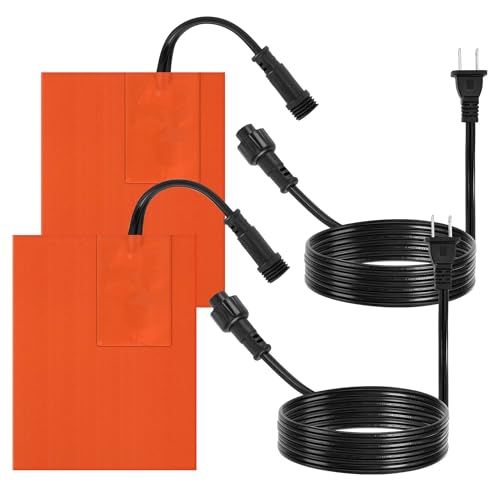
This silicone heating mat is a self-adhesive oil pan heater with a built-in thermostat that stabilizes at around 194°F (90°C). It is sized roughly 5″ x 4″ and rated at about 80W, offering continuous, even heating to metal surfaces for faster warm-up times—manufacturer claims 10–15 minutes to effective warming.
Call 888-896-7031 for Free Local HVAC Quotes – Compare and Save Today!
Notable features include a detachable extension power cord for easier storage, waterproof and oilproof silicone construction, and guidance to avoid plastic surfaces and air intake areas. These pads are commonly used on oil pans, transmission pans, or other exposed metal surfaces to improve fluid flow in cold weather.
SEINOK Silicone Oil Pan Heating Pad (150W)

The SEINOK pad is a silicone-rubber insulated oil pan heating solution with a 150W rating and 3M self-adhesive backing. The manufacturer highlights resistance to oils and chemicals, making it suitable for direct attachment to oil reservoirs, fuel tanks, and transmission pans.
Primary benefits include improved oil flow for quicker starts and reduced engine wear. Clean surface preparation and correct placement on metal are recommended to ensure adhesion and effective heat transfer. This pad is a middle-ground wattage option for systems needing more heat than small pads but less than large magnetic heaters.
Buying Guide: How To Choose A Car Engine Heater
Selecting the right engine heater depends on your vehicle type, climate, and installation preferences. Below are key factors to compare and verify before purchase.
Heater Type: Magnetic vs. Adhesive Pad vs. Frost Plug
- Magnetic Heaters: Attach to exterior metal surfaces with a magnet. Pros: no permanent install, easy relocation. Cons: may shift if not secure, less direct heat transfer than bonded pads.
- Silicone/Adhesive Pads: Self-adhesive pads bond to the oil pan or transmission pan for direct heat transfer. Pros: efficient heating, waterproof. Cons: requires clean surface, semi-permanent installation.
- Frost Plug/Inline Heaters: Installed in freeze-plug ports or inline with coolant. Pros: internal heating very effective. Cons: usually requires mechanical installation and may not be feasible for DIYers.
Wattage And Heating Speed
Higher wattage (e.g., 400W) produces faster warm-up and is better for larger engines or extremely cold climates. Moderate wattage (150–200W) suits passenger cars and light trucks. Low-wattage pads (80W) are useful for maintenance-level warming or supplementing other methods.
Thermostat And Safety Features
Choose heaters with integrated thermostats or automatic cut-offs to avoid overheating. Models that cut power at elevated temperatures and restart at safe thresholds reduce energy waste and prolong component life.
Mounting And Installation
Consider whether you need a tool-free magnetic mount or a bonded silicone pad. Magnetic units are easiest to install and remove, while adhesive pads provide better heat conduction but require careful surface prep and semi-permanent placement.
Material Durability And Chemical Resistance
Silicone pads generally resist oil, solvents, and moisture. Verify manufacturer claims for oilproof/waterproof construction if the pad will be exposed to engine oil, road salt, or chemicals.
Electrical Requirements And Cord Length
Confirm voltage compatibility with your power source (most are 120V). Check cord length and whether the cord is detachable for storage. For remote vehicles, longer cords or extension-rated outdoor cords may be necessary; follow safety guidelines for outdoor electrical use.
Vehicle And Equipment Compatibility
Match the heater type and wattage to the vehicle: small engines, snowmobiles, snow blowers, and generators often need different heat levels than full-size trucks. Magnetic models advertise broad compatibility, while pad sizes matter for oil pan surface area.
Placement And Heat Transfer
Effective placement targets metal surfaces that influence oil or coolant temperature. Avoid plastic components and air intakes for adhesive pads. Magnetic units should be placed on flat metal areas with good contact for efficient transfer.
Use Case Comparisons
- Remote Cold Starts (Daily Driver): 150–200W adhesive pad or 200W magnetic heater for balance of power and convenience.
- Large Engines/Equipment: 400W magnetic heater or frost-plug type for faster warm-up of heavy machinery.
- Intermittent Use/Portable Needs: Magnetic heaters for portability; detachable-cord silicone pads for temporary attachment.
Maintenance And Longevity
Inspect cords and adhesive regularly, remove pads for off-season storage if recommended, and ensure magnets remain clean to maintain adhesion. Replacement parts or spare adhesive may extend product life.
Safety And Local Regulations
Use outdoor-rated connectors and GFCI-protected outlets when powering heaters outside or in wet conditions. Follow manufacturer installation instructions and avoid running cords across roadways or pinch points.
Tips for Getting the Best HVAC Prices
- Prioritize Quality Over Cost
The most critical factor in any HVAC project is the quality of the installation. Don’t compromise on contractor expertise just to save money. - Check for Rebates
Always research current rebates and incentives — they can significantly reduce your overall cost. - Compare Multiple Quotes
Request at least three estimates before making your choice. You can click here to get three free quotes from local professionals. These quotes include available rebates and tax credits and automatically exclude unqualified contractors. - Negotiate Smartly
Once you've chosen a contractor, use the proven strategies from our guide — How Homeowners Can Negotiate with HVAC Dealers — to get the best possible final price.