
Choosing the right gas heater for a caravan or RV balances size, fuel type, safety, and installation. Below is a concise comparison of five gas heaters suited to mobile living spaces. The table summarizes main specs so you can scan options before reading full reviews.
| Product | Type | Fuel | BTU | Coverage |
|---|---|---|---|---|
| Mr. Heater Portable Buddy MH9BX | Radiant Portable | Propane | 4,000–9,000 | Up To 225 sq. ft. |
| ProCom MN300TBA-B Blue Flame | Blue Flame Wall/Floor | Natural Gas | Up To 30,000 | Up To 1,400 sq. ft. |
| ProCom MN300TPA-B Infrared | Infrared Wall/Floor | Natural Gas | Up To 30,000 | Up To 1,400 sq. ft. |
| ProCom MN300HBA-B Ventless Blue Flame | Ventless Blue Flame | Natural Gas | 30,000 | Up To 1,400 sq. ft. |
| Dyna-Glo IR30NMDG-1 Infrared Wall | Infrared Wall Heater | Natural Gas | Up To 30,000 | Up To 1,000 sq. ft. |
Content Navigation
Mr. Heater Portable Buddy MH9BX
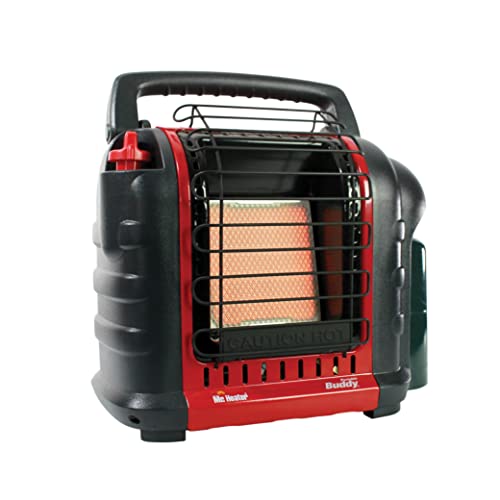
This compact propane radiant heater offers adjustable output from 4,000 to 9,000 BTU and is rated for up to 225 sq. ft. It uses infrared technology to warm objects and people directly rather than heating air, which can be effective in small caravan interiors where direct warmth is preferred.
Key listed features include piezo ignition for matchless start, a tip-over safety switch that activates if the unit is tipped, and a compact footprint for portability. The unit is specified as indoor-safe when used per manufacturer instructions, but the camper installation must account for ventilation and CO monitoring.
Considerations: the heater uses disposable or refillable propane cylinders, so fuel storage and secure mounting are factors for caravan use. The radiant design provides fast, focused warmth but less even whole-cabin heating compared with convection or blue-flame units.
ProCom MN300TBA-B Blue Flame

Call 888-896-7031 for Free Local HVAC Quotes – Compare and Save Today!
The ProCom MN300TBA-B is a ventless blue flame space heater designed for wall-mount or free-standing use. The unit produces up to 30,000 BTU and is rated to heat up to 1,400 sq. ft. It includes wall mount hardware and base feet for flexible installation.
Features from the listing include thermostat control with High/Medium/Low settings and a slim profile for tight spaces. Blue flame technology heats air directly and tends to provide even room temperature control versus radiant-only heaters.
Considerations: ventless blue flame heaters consume oxygen and produce combustion byproducts in the living space. For caravan use, verify compatibility with your gas supply (natural gas specified), ensure adequate ventilation, and install a carbon monoxide alarm. The unit’s thermostat control supports maintaining consistent interior temperature.
ProCom MN300TPA-B Infrared

The ProCom MN300TPA-B is a natural gas infrared mini heater producing up to 30,000 BTU. Designed for compact spaces, it offers thermostat control with selectable heat levels and a modern slim profile for wall mounting or floor placement.
Infrared heating warms objects first, which can result in a comfortable feel with lower perceived air temperature. The product listing highlights a design suitable for small rooms and offices, which makes it adaptable for larger caravans or RVs with appropriate ducting or placement.
Call 888-896-7031 for Free Local HVAC Quotes – Compare and Save Today!
Considerations: ensure your caravan’s gas type matches the unit (natural gas only). Installation requires secure mounting and attention to clearances. Infrared units typically provide efficient spot and zone heating but may require strategic placement for even coverage in irregular boat or RV interiors.
ProCom MN300HBA-B Ventless Heater
The ProCom MN300HBA-B is a manual-control ventless blue flame heater with a maximum output of 30,000 BTU. It features push-button piezo ignition, three heat settings, and an oxygen depletion sensor (ODS) that shuts the unit off if oxygen levels fall too low.
As a ventless model, this heater requires no electrical power and is designed to operate on natural gas only. The manual control variant is useful when simple, robust operation is preferred over electronic thermostat control.
Considerations: ventless models are compact and efficient but require careful ventilation planning and CO/oxygen monitoring. For caravans, pay attention to sealed doors, vents, and fuel supply. The ODS increases safety, but additional alarms and regular maintenance are recommended for living spaces.
Dyna-Glo IR30NMDG-1 Infrared Wall Heater

The Dyna-Glo IR30NMDG-1 is a natural-gas infrared wall heater rated up to 30,000 BTU and suited for heating areas up to 1,000 sq. ft. It uses infrared radiant heat to warm objects and occupants directly, similar to sunlight.
Key specs include natural gas readiness (fuel conversions not permitted by listing) and infrared technology for targeted heating. The wall-mounted design saves floor space and can be positioned to optimize heat distribution in a caravan’s living area.
Considerations: as a fixed-wall installation, this heater requires planning for gas lines and clearances. Infrared wall heaters can deliver efficient comfort when positioned to cover seating and sleeping zones, but test placement to avoid cold spots in irregular floor plans.
Buying Guide: Choosing A Caravan Gas Heater
Selecting the right gas heater for a caravan involves technical, safety, and practical factors. Below are the most important considerations with multiple perspectives for comparison.
Tips for Getting the Best HVAC Prices
- Prioritize Quality Over Cost
The most critical factor in any HVAC project is the quality of the installation. Don’t compromise on contractor expertise just to save money. - Check for Rebates
Always research current rebates and incentives — they can significantly reduce your overall cost. - Compare Multiple Quotes
Request at least three estimates before making your choice. You can click here to get three free quotes from local professionals. These quotes include available rebates and tax credits and automatically exclude unqualified contractors. - Negotiate Smartly
Once you've chosen a contractor, use the proven strategies from our guide — How Homeowners Can Negotiate with HVAC Dealers — to get the best possible final price.
Fuel Type And Availability
- Propane vs Natural Gas: Many caravan users prefer propane for portability and off-grid capability. Natural gas units typically assume a fixed supply and are common in stationary cabins or camper conversions connected to a municipal line.
- Supply Logistics: Propane requires cylinder storage and safe mounting. Verify fitting types and conversion kits if you plan to switch fuel types.
Heating Method
- Radiant (Infrared): Warms objects and people directly, quick to feel warm; good for focused zones and intermittent use.
- Blue Flame (Convection): Warms the air, producing more even background temperature for full-cabin comfort.
- Ventless vs Vented: Ventless heaters are compact and efficient but release combustion byproducts into the living space; vented systems exhaust outdoors and can be safer for long-term occupancy but require ducting and more complex installation.
Safety Features
- Oxygen Depletion Sensor (ODS): Automatically shuts off if oxygen drops, critical in tight caravan spaces.
- Tip-Over Switches: Important for portable units that may be moved or bumped.
- Carbon Monoxide Monitoring: Always install a certified CO alarm when using combustion heaters inside a caravan.
- Clearance & Ventilation Requirements: Follow manufacturer-specified clearances and ensure supplemental fresh-air intake if using ventless heaters.
Size, BTU Output, And Coverage
- BTU Matched To Space: Small caravans often need a few thousand BTUs; larger RVs or converted vans may need 20,000–30,000 BTU units for whole-space heating.
- Heat Zoning: Consider using smaller radiant units for seating/sleeping zones plus a central convection unit for whole-cabin warmth.
Power Requirements And Controls
- Electric vs Non-Electric Ignition: Piezo or manual ignition avoids battery dependence; electric thermostats or fans may need 12V/120V power.
- Thermostat vs Manual: Thermostat control maintains consistent temperature but adds complexity; manual units are simpler and often more robust.
Mounting, Space, And Weight
- Fixed Wall Mounts: Save floor space and provide stable installation for long-term use.
- Portable Units: Offer flexibility and can be removed for outdoor use, but require careful securing during transit.
- Clearances: Confirm clearance from combustible materials, cabinetry, and bedding per product specs.
Regulatory And Installation Considerations
- RV/Caravan Codes: Some jurisdictions or RV manufacturers specify allowed heater types; check owner manuals and local regulations.
- Professional Installation: For vented systems or fixed natural-gas hookups, consider certified installation to ensure leak-free, safe plumbing and venting.
Efficiency And Running Costs
- Fuel Efficiency: Infrared and radiant units can feel warmer at lower air temperatures, potentially reducing fuel use during intermittent heating.
- Operating Profile: Continuous whole-cabin heating favors convection/blue flame units; intermittent spot heating favors portable radiant units.
Durability And Maintenance
- Serviceable Components: Choose models with accessible burners, pilot assemblies, and replacement parts.
- Seasonal Checks: Inspect fuel lines, fittings, and vents annually; test safety shutoffs and CO/ODS functionality regularly.
Comparison Perspectives
- Off-Grid/Boondocking: Portable propane radiant heaters provide fast heat and independence from shore power; carry CO alarms and ventilate.
- Full-Time RV Living: Fixed blue flame or vented systems with thermostat control provide consistent comfort and may integrate better with built-in fuel systems.
- Short Trips & Portable Use: Small, lightweight radiant units with tip-over protection are convenient and flexible.
- Safety-First Installations: If air quality and combustion byproducts are a concern, prefer vented heating or ensure robust monitoring and ventilation with ventless options.