
Cast iron baseboard heaters are known for slow, steady heat, but many modern electric baseboards offer efficient, safe, and easy-to-install alternatives. Below is a quick comparison of five selected electric baseboard heaters and a cover kit to help U.S. buyers evaluate options for different room sizes and installation needs.
| Product | Type / Size | Key Feature |
|---|---|---|
| Cadet F Series 36″ (3F750-1W) | 36″ / 750W / 120V | All-metal, powder coated, requires thermostat |
| Cadet F Series 24″ (2F350W) | 24″ / 350W / 240/208V | Steel construction, compact electric model |
| KING 4K1210BW K Series | 4′ / 1000W / 120V | Aluminum ribbon fin, full-length safety cutout |
| EZ-HEAT 1500W Baseboard (CZ600) | 1500W / Convection / Adjustable thermostat | Tip-over switch, overheat protection, stay-cool body |
| Comfort Zone Baseboard (CZ650B) | 1500W / Digital thermostat | Digital temperature control, safety sensors |
Content Navigation
Cadet F Series 36″ Electric Baseboard Heater
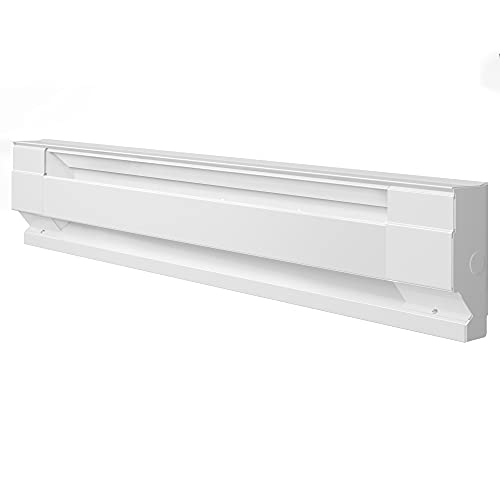
Model: 3F750-1W. This 36-inch electric baseboard heater delivers 750 watts at 120 volts, suitable for small rooms or supplemental heating applications. The unit is all metal with a powder-coated finish, offering durable exterior protection.
The heater requires an external thermostat for temperature control, and it includes a 20-gauge junction box with ground for hard-wired installation. Construction uses 25 gauge steel in the body, which is typical for fixed baseboard units intended for permanent mounting.
For replacement or new-install scenarios where a rugged, hard-wired unit is preferred, this Cadet model provides a standard footprint and compatibility with common wall thermostats. It does not include a built-in thermostat or plug cord.
Cadet F Series 24″ Electric Baseboard Heater
Call 888-896-7031 for Free Local HVAC Quotes – Compare and Save Today!
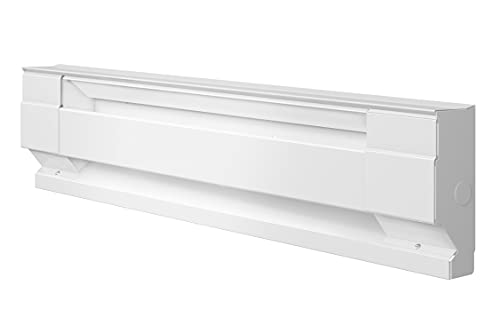
Model: 2F350W. This compact 24-inch unit is designed for smaller rooms or tight wall spaces. It offers 350 watts (240/208V) operation and is constructed from steel in a white finish to match common trim and baseboard colors.
The Cadet 24″ provides a low-profile option where longer heaters are impractical. It is a hard-wired baseboard type and is intended to integrate with in-wall thermostats and home wiring. Its steel construction and electric power source align with standard electric baseboard replacement parts.
Use cases include dorm rooms, small bedrooms, bathrooms (with appropriate wiring), or as supplemental heat where a full-length baseboard is unnecessary. It does not ship with an integrated thermostat.
KING K Series 4′ Baseboard Heater 1000W

This 4-foot KING K Series baseboard is rated for 1000 watts at 120 volts and is designed for permanent, hard-wired installation rather than plug-in use. The heater uses an aluminum ribbon fin element to transfer heat efficiently along the length of the unit.
Safety is addressed with a full-length safety cutout, which helps prevent overheating across the element. The KING unit is a common commercial/residential replacement option for higher-output needs in medium-sized rooms or open-plan spaces.
Call 888-896-7031 for Free Local HVAC Quotes – Compare and Save Today!
Installation requires appropriate wiring and secure mounting. The design targets consistent convection heating along the baseboard rather than radiant cast iron-style thermal mass.
EZ-HEAT 1500W Baseboard Space Heater CZ600

This EZ-HEAT model is a 1500-watt convection baseboard heater designed for medium-sized rooms. It includes an adjustable thermostat and two heat settings to allow fine-tuning of room temperature and energy use.
Safety features highlighted by the manufacturer include a tip-over switch, overheat protection sensor, and a stay-cool body to reduce burn risk. The unit is described as having whisper-quiet operation, making it suitable for bedrooms and offices where noise is a concern.
The CZ600 targets portable or semi-permanent placement options and is marketed for user-adjustable comfort with multiple protective sensors to reduce fire and burn hazards. It offers a higher wattage output compared to the Cadet 750W unit, better suited for larger spaces.
Comfort Zone Baseboard Heater With Digital Thermostat

The Comfort Zone CZ650B is a 1500-watt baseboard heater equipped with a digital thermostat and temperature display. It offers two heat settings and precise digital control for consistent room temperature maintenance.
Manufacturer features emphasize whisper-quiet operation and enhanced safety with a tip-over switch, overheat protection, and a stay-cool exterior. The digital thermostat adds convenience and more exact temperature management compared to mechanical controls.
This model suits rooms where user-friendly digital control and consistent monitoring are priorities. The combination of high wattage and digital control supports use in primary living spaces when integrated into appropriate wiring.
Buying Guide
Choosing the right baseboard heater requires matching device characteristics to room needs, safety requirements, and wiring capabilities. Below are the key considerations to evaluate before purchase.
Heat Output And Room Size
Wattage Correlates With Room Size: Higher wattage units (e.g., 1500W) deliver more heat and are better for medium to larger rooms. Lower wattage models (350–1000W) suit small rooms or supplemental heating.
Estimate Required Output: As a general reference, allocate about 10 watts per square foot for well-insulated spaces; poorly insulated rooms may need more. Verify with local guidelines or an HVAC professional for precise sizing.
Power Supply And Wiring
Voltage Compatibility: Confirm whether your home wiring matches the unit’s voltage (120V vs 208/240V). Some smaller Cadet units are 240/208V and require appropriate circuits.
Hard-Wired vs Plug-In: Many permanent baseboards are hard-wired and require electrician installation. Plug-in units offer portability but are less common in fixed baseboard form factors.
Thermostat And Control Options
Built-In vs External Thermostat: Some units include digital thermostats (e.g., Comfort Zone CZ650B) while others require a wall thermostat. Built-in digital controls simplify setup; external thermostats provide centralized control across multiple units.
Automation Compatibility: If you intend to integrate heaters into home automation, verify thermostat compatibility with smart thermostats or systems.
Construction, Materials, And Design
Metal Types And Heat Transfer: Aluminum ribbon fins (KING) transfer heat quickly and offer fast warm-up. Steel-bodied units (Cadet) are durable and common for fixed installations. Cast iron alternatives provide thermal mass but are less common in electric baseboard designs.
Finish And Aesthetics: Powder-coated finishes resist chipping and match trim colors. If replacing a cover, measure for fit or consider a cover kit to refresh older installations.
Safety Features
Overheat Protection: Select units with thermal cutouts or overheat sensors to reduce fire risk.
Tip-Over Switches: For portable or freestanding heaters, tip-over protection is essential. Fixed baseboard models rely more on internal cutouts and proper mounting for safety.
Stay-Cool Surfaces: Lower exterior temperatures reduce burn risk, important in households with children or pets.
Installation And Maintenance
Professional Installation: Hard-wired units generally require an electrician to meet code and ensure safe connections.
Clearance And Placement: Maintain recommended clearances from furniture and curtains to prevent airflow restriction and fire hazards.
Cleaning: Periodically vacuum or dust the fins and cover to maintain airflow and efficiency. Replace damaged covers to preserve performance and appearance.
Durability And Warranty
Gauge And Build Quality: Thicker steel and robust junction boxes extend longevity in permanent installations. Verify manufacturer warranty terms and what is covered for replacement or repair.
Replacement Parts: Consider availability of end caps, covers, and mounting hardware for future servicing or aesthetic updates.
Comparison Perspectives
- Efficiency: High-wattage convection units heat faster; fin-element designs may spread heat more evenly along the length.
- Control: Digital thermostats provide precise setpoints; external wall thermostats allow centralized control across zones.
- Safety: Look for multiple protective measures—overheat sensors, thermal cutouts, tip-over switches (for portable types).
- Installation Cost: Hard-wired models may require electrician labor; factor this into total cost and timeline.
- Replacement vs New Install: If replacing a cast iron radiator or old baseboard, confirm mounting dimensions and wiring compatibility; cover kits can improve aesthetics without full replacement.
Final Note: While traditional cast iron baseboards offer thermal mass and slow release of heat, modern electric baseboard heaters provide faster response, digital controls, and integrated safety features. Evaluate room size, wiring, thermostat needs, and safety features to choose the best alternative for your space.
Tips for Getting the Best HVAC Prices
- Prioritize Quality Over Cost
The most critical factor in any HVAC project is the quality of the installation. Don’t compromise on contractor expertise just to save money. - Check for Rebates
Always research current rebates and incentives — they can significantly reduce your overall cost. - Compare Multiple Quotes
Request at least three estimates before making your choice. You can click here to get three free quotes from local professionals. These quotes include available rebates and tax credits and automatically exclude unqualified contractors. - Negotiate Smartly
Once you've chosen a contractor, use the proven strategies from our guide — How Homeowners Can Negotiate with HVAC Dealers — to get the best possible final price.