
The following guide compares top gas heaters suitable for catalytic-style heating needs, indoor-safe ventless systems, and portable gas heaters for RVs and small rooms. Below is a quick comparison table of the five selected models to help you scan key features at a glance.
| Product | Type | Fuel | BTU Range | Primary Use |
|---|---|---|---|---|
| Camco Olympian Wave-6 | Catalytic Portable | Propane | 3,200–6,000 | RV, Camper, Indoor, Garage |
| ProCom MN300HBA-B | Ventless Blue Flame | Natural Gas | 30,000 | Home, Office |
| ProCom MN300TBA-B | Ventless Blue Flame With Thermostat | Natural Gas | 30,000 | Home, Office |
| ProCom MN300TPA-B | Ventless Infrared | Natural Gas | 30,000 | Home, Office |
| Mr. Heater Portable Buddy MH9BX | Portable Radiant | Propane | 4,000–9,000 | Camping, Workshops |
Content Navigation
Camco Olympian Wave-6 Portable Heater

Overview: The Camco Olympian Wave-6 is marketed as a portable catalytic safety heater designed for ≤200 sq. ft. spaces. Its catalytic element provides flameless heat without a fan, making it suitable for quiet environments like RVs and small indoor spaces.
Key Features: Adjustable 3,200–6,000 BTUs, silent operation with no flame or blower, self-generating piezo starter rated for long life, safety shut-off valve, and multiple placement options including optional legs or permanent mounting.
Performance & Use Cases: Designed to warm confined spaces efficiently with steady radiant heat. Flameless catalytic operation reduces combustion noise and visible flame, which can be an advantage in sleeping areas. The unit’s safety features and portability make it appropriate for RV, camper, garage, and outdoor use where propane is available.
ProCom MN300HBA-B Blue Flame Heater

Call 888-896-7031 for Free Local HVAC Quotes – Compare and Save Today!
Overview: The ProCom MN300HBA-B is a ventless blue flame natural gas heater that claims up to 30,000 BTU output and coverage for larger rooms. It operates without electricity and uses a manual piezo ignition.
Key Features: 30,000 BTU capacity, heats up to 1400 sq. ft., natural gas only, three manual heat settings, oxygen depletion sensor (ODS) for safety, and optional base feet or wall mount configuration.
Performance & Use Cases: Blue flame ventless systems heat air directly by combustion and are efficient in transferring heat to an indoor space. The included ODS is important for indoor safety in ventless applications. This model is oriented toward residential rooms where natural gas is plumbed in and electricity may not be available or desired.
ProCom MN300TBA-B With Thermostat
Overview: This ProCom variant adds thermostat control to the ventless blue flame platform, enabling better temperature regulation in residential or office spaces while maintaining the same 30,000 BTU capacity.
Key Features: Thermostat control with High/Medium/Low settings, 30,000 BTU natural gas operation, wall mount or floor placement with included hardware, and design intended to blend into home interiors.
Call 888-896-7031 for Free Local HVAC Quotes – Compare and Save Today!
Performance & Use Cases: The thermostat option provides automated cycling to maintain set temperatures, which can improve comfort and reduce fuel usage compared with manual-only units. Suitable for spaces where consistent indoor temperatures are a priority and when natural gas service is present.
ProCom MN300TPA-B Infrared Space Heater

Overview: The MN300TPA-B shifts to infrared heating while remaining a ventless natural gas unit. Infrared operation radiates heat to objects and people rather than solely warming air, offering a different comfort profile than blue flame models.
Key Features: 30,000 BTU infrared output, thermostat control on unit, wall mount or base feet installation, compact modern profile, and natural gas only operation for continuous fuel supply when plumbed.
Performance & Use Cases: Infrared heat can feel more immediate for occupants and is often preferred in spaces with higher ceilings or where direct radiant warmth is desired. This unit is intended for residential settings requiring a combination of efficiency and design-friendly installation.
Mr. Heater Portable Buddy MH9BX
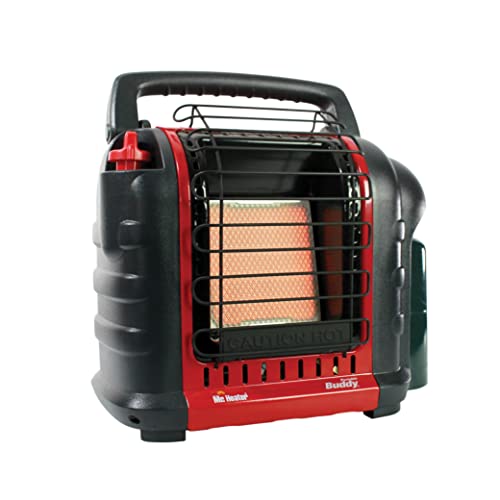
Overview: The Mr. Heater MH9BX is a portable propane radiant heater offering 4,000–9,000 BTUs for up to 225 sq. ft. It is designed for temporary heat in campers, workshops, and job sites.
Key Features: Adjustable 4,000–9,000 BTU output, advanced infrared radiant technology, tip-over safety switch with audible engagement, and piezo igniter for matchless start. No batteries required for ignition.
Performance & Use Cases: This model provides direct radiant warmth similar to catalytic heaters in the sense of low-noise and quick comfort, though it uses an open radiant element rather than a catalytic converter. It is suited to portable applications where propane cylinders are practical and ventilation is appropriate.
Buying Guide: How To Choose The Right Catalytic Or Gas Heater
Heat Type And Technology: Distinguish between catalytic heaters (flameless catalytic surface), infrared/radiant heaters (radiate heat to surfaces), and blue flame/ventless heaters (direct combustion heating of air). Catalytic units typically operate quieter and produce no visible flame; infrared provides targeted warmth; ventless blue flame offers high room heating capacity.
Fuel Source: Confirm available fuel—propane is common for portable and RV units, while natural gas suits home installs with plumbing. Ventless natural gas heaters require household gas supply and correct installation clearances.
BTU Output And Room Size: Match BTU rating to your space. Small sleeping areas or RVs often need 3,000–6,000 BTU catalytic units. Larger rooms may require 30,000 BTU ventless units or higher-capacity forced-air models. Use manufacturer coverage estimates as a baseline and factor insulation and ceiling height.
Safety Features: Look for ODS (Oxygen Depletion Sensor), tip-over switches, automatic shut-off valves, and certified safety listings. Ventless appliances require careful consideration of indoor air quality and local codes; adequate ventilation and CO monitoring are important.
Installation And Placement: Portable catalytic and radiant heaters offer flexible placement. Wall-mounted ventless units need secure installation, correct clearances from combustibles, and possible professional gas connection. Consider access for maintenance and space constraints.
Thermostat And Controls: Thermostat control improves comfort and fuel efficiency by cycling heat. Manual-only units can be simpler but may lead to wider temperature swings. Timers and remote controls add convenience.
Noise And Operation: Catalytic and infrared radiant units are generally quiet because they lack fans. Blue flame and vented forced-air systems may have some operational noise. Consider noise sensitivity for bedrooms or offices.
Indoor Air Quality And Ventless Considerations: Ventless combustion introduces combustion byproducts into rooms; ensure local codes permit ventless heaters and use carbon monoxide detectors. Catalytic heaters typically have lower NOx and CO output, but ventilation and monitoring remain recommended.
Maintenance And Longevity: Evaluate serviceability of parts like catalytic elements, igniters, and ODS components. Some catalytic surfaces degrade over time and may need replacement. Regular inspection and cleaning can extend performance.
Portability Vs Permanent Install: If you need mobility for travel or seasonal use, choose portable catalytic or radiant models that run on propane. For permanent heating of living spaces, consider natural gas ventless units with professional installation.
Regulatory And Code Compliance: Check state and local regulations regarding ventless heaters and indoor combustion appliances. Some jurisdictions restrict ventless heater use in primary living areas or have specific installation requirements.
Comparison Perspectives: Weigh immediate radiant comfort (infrared/catalytic) against room-wide heating efficiency (blue flame ventless). Factor in fuel availability, installation complexity, safety devices, and whether silent operation or thermostat control is a priority.
Tips for Getting the Best HVAC Prices
- Prioritize Quality Over Cost
The most critical factor in any HVAC project is the quality of the installation. Don’t compromise on contractor expertise just to save money. - Check for Rebates
Always research current rebates and incentives — they can significantly reduce your overall cost. - Compare Multiple Quotes
Request at least three estimates before making your choice. You can click here to get three free quotes from local professionals. These quotes include available rebates and tax credits and automatically exclude unqualified contractors. - Negotiate Smartly
Once you've chosen a contractor, use the proven strategies from our guide — How Homeowners Can Negotiate with HVAC Dealers — to get the best possible final price.