
Choosing the right ceiling-mounted outdoor heater depends on coverage, power source, weather rating, and installation. The table below summarizes five top models to compare features at a glance.
| Model | Power / BTU | Weather Rating | Mount Options |
|---|---|---|---|
| Dr Infrared DR-238 Carbon | Up To 1500W (3 Settings) | IP55 | Ceiling / Wall |
| Dr Infrared 10,260 BTU (3000W) | 3000W / 10,260 BTU | IP55 | Ceiling / Wall |
| ThermoMate 3000W Carbon Fiber | 3000W | Hardwired (indoor/outdoor) | Ceiling / Wall (Hardwired) |
| SereneLife Infrared Patio Heater | 1500W | IP65 | Wall / Ceiling |
| Paraheeter Electric Infrared Heater | 1500W | Includes Stand; Mountable | Wall / Ceiling / Tripod |
Content Navigation
Dr Infrared DR-238 Carbon Infrared Heater
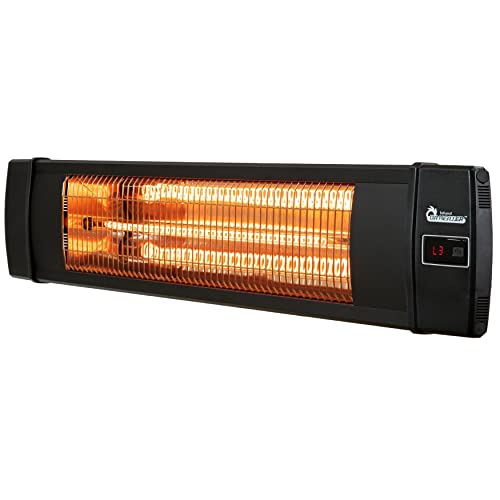
This model Is Designed For Indoor And Outdoor Use And Carries An IP55 Rating For Weather Resistance. It Uses Carbon Infrared Elements For Clean, Instant, Odorless Heat And Offers Three Power Settings (900W, 1200W, 1500W) To Match Heat Output To Space Size.
Installation Is Simple With A Standard 120V Plug And Remote Control For Operation. The multi-setting approach Lets Users Balance Energy Use And Comfort, Making It Suitable For Smaller Covered Patios, Garages, Or Open-Air Restaurant Areas.
Dr Infrared 10,260 BTU 3000W Heater
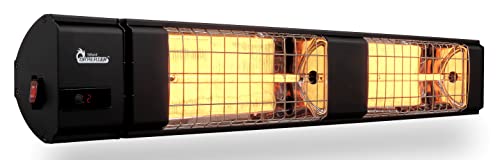
This High-Power Unit Delivers 3000W / 10,260 BTU Using A Carbon Infrared Element For Rapid Radiant Heat. The Heater Is Rated IP55 For Outdoor Use And Includes Hardware For Both Ceiling And Wall Mounting.
Call 888-896-7031 for Free Local HVAC Quotes – Compare and Save Today!
It Requires 220–240V Power And Comes With A Remote To Switch Power Levels And Standby Mode. The Larger Output Targets Bigger Patios, Covered Dining Areas, Or Commercial Spaces Where Faster Or Wider Coverage Is Needed.
ThermoMate 3000W Carbon Fiber Patio Heater

This 3000W Hardwired Unit Uses A Carbon Fiber Heating Tube For Near-Instant Heat That Targets People And Objects Rather Than Air. It Specifies Coverage For Around 100–130 Sq. Ft. And Recommends A Minimum Mount Height For Best Distribution.
Features Include A 24-Hour Timer, Remote Control, And Two Power Modes (1500W / 3000W). Because It Must Be Hardwired To A Dedicated Circuit, Installation Typically Requires An Electrician, Which Is Common For Higher-Wattage Ceiling Heaters.
SereneLife Infrared Patio Heater Wall-Mount

The SereneLife Unit Is A 1500W Wall/Ceiling Mount Heater With An IP65 Rating, Indicating Robust Weather Resistance And Corrosion Protection. It Uses High-Efficiency Carbon Fiber Elements For Rapid, Sun-Like Warmth And Includes A Remote For Easy Control.
Call 888-896-7031 for Free Local HVAC Quotes – Compare and Save Today!
Its Aluminum Alloy Frame Aims To Be Lightweight Yet Durable, And The Manufacturer Notes An 88% Efficiency Rating For Energy Use. This Model Is Positioned For Home Patios, Small Restaurant Outdoor Areas, And Garages Where Moderate Output And Weatherproofing Are Important.
Paraheeter Infrared Heater With Tripod

This 1500W Carbon Infrared Unit Emphasizes Versatile Mounting—it Ships With A Tripod Stand And Supports Wall Or Ceiling Installation. The Design Includes A Safety Grille, Grounded Plug, And Auto-Shutoff For Tip-Over Protection.
The Product Notes Lower Operating Costs Compared To Propane Models Because Infrared Heaters Heat Objects Directly. The Included Installation Materials And Video Aim To Simplify Setup For Homeowners Who Want Portable Or Fixed Ceiling-Mounted Options.
Buying Guide For Ceiling-Mounted Outdoor Heaters
Selecting A Ceiling-Mounted Heater Requires Balancing Power, Weatherproofing, Mount Type, And Safety. Below Are Key Factors To Compare Before Purchase.
Heat Output And Coverage
Match Heater Wattage Or BTU To Your Space. 1500W Models Suit Small To Medium Covered Areas; 3000W Or Higher Targets Larger Or Partially Open Spaces. Consider Mount Height And Beam Angle For Effective Coverage.
Power Source And Installation
Lower-Wattage Units Often Plug Into Standard 120V Outlets. Higher Output Heaters Typically Require Hardwiring To 240V Circuits And May Need A Licensed Electrician. Plan Wiring And Circuit Capacity Before Buying.
Weatherproof Rating
Look For An IP Rating For Outdoor Durability. IP55 And IP65 Indicate Protection From Water And Dust; Higher Ratings Offer Better Corrosion Resistance For Exposed Installations.
Mounting Flexibility
Ensure The Heater Supports Ceiling Mounting If That Is Your Goal. Some Models Offer Wall Or Ceiling Brackets, While Others Include Tripods For Portable Use. Confirm Recommended Mounting Height For Optimal Heat Distribution.
Heating Technology
Most Ceiling Models Use Carbon Infrared Tubes That Deliver Direct, Instant Heat To People And Objects—this is efficient for outdoor spaces because wind has less impact compared to convection heaters.
Controls And Timers
Remote Controls, Multi-Level Power Settings, And Timers Improve Convenience And Energy Management. 24-Hour Timers And Standby Modes Help Reduce Run Time Without Compromising Comfort.
Safety Features
Check For Overheat Protection, Tip-Over Shutoff, Grounded Plugs, And Sturdy Grilles. Weatherproof Models Should Also Feature Corrosion-Resistant Housings For Long-Term Safety.
Energy Efficiency And Operating Cost
Infrared Heaters Heat Objects Directly, Often Resulting In Lower Operating Costs For Outdoor Use Compared To Gas Or Propane. Consider Adjustable Power Levels To Tailor Energy Use To Need.
Durability And Materials
Aluminum Alloy, Stainless Steel, And Rustproof Metal Covers Extend Life In Outdoor Environments. Verify Manufacturer Claims On Longevity And Any Included Warranties.
Use Case And Location
For Covered Patios, Lower Wattage Ceiling Heaters May Suffice. For Partially Open Or Commercial Areas, Higher Wattage (240V / 3000W) Units Provide Broader Coverage. Portable tripod options are useful when temporary heating is needed.
Comparison Perspectives
- Residential Patio: Prioritize IP65–IP55, 1500W–3000W Based On Space
- Commercial/Restaurant: Favor Higher BTU, Hardwired 240V Units With Mounting Hardware
- Portable/Flexible Needs: Choose Models With Tripod Stands Or Plug-In Options
Use The Table And The Buying Guide To Narrow Options Based On Your Space, Power Availability, And Desired Level Of Weather Resistance.
Tips for Getting the Best HVAC Prices
- Prioritize Quality Over Cost
The most critical factor in any HVAC project is the quality of the installation. Don’t compromise on contractor expertise just to save money. - Check for Rebates
Always research current rebates and incentives — they can significantly reduce your overall cost. - Compare Multiple Quotes
Request at least three estimates before making your choice. You can click here to get three free quotes from local professionals. These quotes include available rebates and tax credits and automatically exclude unqualified contractors. - Negotiate Smartly
Once you've chosen a contractor, use the proven strategies from our guide — How Homeowners Can Negotiate with HVAC Dealers — to get the best possible final price.