
Finding the right ceramic garage heater means balancing safety, power, portability, and energy efficiency. Below is a concise comparison of top PTC/ceramic electric heaters suitable for garages, workshops, and similar spaces. The table highlights core features to help you quickly compare options.
| Product | Type / Power | Key Safety / Controls | Best For |
|---|---|---|---|
| NewAir NGH160GA00 | Ceramic, 120V | Cool-to-touch, thermostat, auto shut-off | Portable garage or small shop |
| Dura Heat EUH1465 | PTC Ceramic, 1500W | Durable steel body, pivot base | Rugged workshop use |
| GiveBest Portable Heater | 1500W / 750W ceramic | Thermostat, tip-over & overheat protection | Small garages, spot heating |
| Pro Breeze Space Heater | 1500W ceramic | Adjustable thermostat, multiple modes | Energy-efficient room/garage heating |
| Gardtech Outdoor Heater | 1500W PTC ceramic | Anti-tipping, fast heat, overheat protection | Portable garage, greenhouse, patio |
Content Navigation
- NewAir NGH160GA00 120V Portable Garage Heater
- Dura Heat EUH1465 Electric Forced Air Heater
- GiveBest Portable Electric Space Heater With Thermostat
- Pro Breeze Space Heater 1500W Ceramic Heater
- Gardtech Outdoor Electric PTC Ceramic Heater
- Buying Guide: How To Choose The Best Ceramic Garage Heater
- Heating Capacity And Coverage
- Safety Features
- Heating Technology: PTC/ Ceramic Advantages
- Airflow And Distribution
- Portability And Mounting Options
- Durability And Construction
- Control Features And Convenience
- Energy Efficiency And Operating Cost
- Noise Levels
- Environmental Conditions
- Maintenance And Filter Needs
- Comparison Perspectives
NewAir NGH160GA00 120V Portable Garage Heater

The NewAir NGH160GA00 is a compact ceramic garage heater designed for targeted heat in small workspaces. Its listed features emphasize safety and portability: a cool-to-the-touch exterior, internal thermostat, and automatic shut-off to prevent overheating. The unit uses a ceramic heating plate paired with a 200 CFM fan for faster heat delivery and includes adjustable temperature control, two heat modes, a tilting head, and a carry handle for repositioning around the garage.
Feature highlights: safety-focused design, quick ceramic heat, and a tilting head for directional airflow. Ideal when localized, moveable warmth and a compact footprint are priorities.
Dura Heat EUH1465 Electric Forced Air Heater
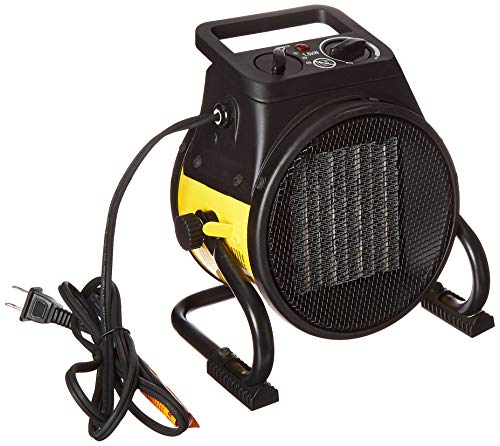
Dura Heat’s EUH1465 is a forced air PTC ceramic heater built into a rugged steel body for tougher environments. The product lists 1500W PTC ceramic heating for quick warmth and a pivoting base that helps direct heat where needed. Heat and fan-only settings provide flexibility for both winter heating and air circulation during other seasons.
Call 888-896-7031 for Free Local HVAC Quotes – Compare and Save Today!
Key considerations: heavy-duty construction suits workshop use, while the forced air design delivers rapid, directional heat. Useful where durability and quick warm-up are needed in a garage setting.
GiveBest Portable Electric Space Heater With Thermostat

The GiveBest portable heater emphasizes compact power and safety. It offers two power levels (1500W and 750W) and a cool fan mode for year-round use. The listed features include a thermostat with adjustable range, multi-protection safety including tip-over and overheat shutoff, and flame-retardant materials.
Feature perspective: the unit’s small size and built-in safety systems make it suitable for spot heating in garages where you want to warm a workbench area rather than the entire space. The carry handle simplifies repositioning.
Pro Breeze Space Heater 1500W Ceramic Heater

Pro Breeze markets this model as a cost-effective, fast-warming ceramic heater with adjustable thermostat control and three operating modes (750W, 1500W, fan-only). The product notes improved energy efficiency through ceramic heating discs for faster heat transfer, making it practical for heating individual zones in a garage without running central heat.
Call 888-896-7031 for Free Local HVAC Quotes – Compare and Save Today!
Considerations: energy efficiency and multiple modes provide flexible runtime and settings. Useful when you want controllable heat for a workspace and an option to reduce power consumption.
Gardtech Outdoor Electric PTC Ceramic Heater

Gardtech’s unit is described as a fast-heat PTC ceramic device with built-in safety features suited for both indoor garages and sheltered outdoor spaces. Listed features include an anti-tipping switch that disables the heater if it tips, overheat protection, and a rapid 2–3 second heat response. The product claims higher thermal efficiency and a high-speed fan for even heat distribution.
Use profile: this model targets users who want quick-to-react heat and extra anti-tip safety in a portable package, suitable for workbenches, greenhouses, and transitional garage areas.
Buying Guide: How To Choose The Best Ceramic Garage Heater
Selecting the right ceramic garage heater requires reviewing several technical and practical factors. Below are the key considerations to evaluate before buying.
Heating Capacity And Coverage
Match heater power (watts/BTU) to garage size. Small ceramic heaters (1500W) are effective for spot heating and small workshops. Larger, poorly insulated garages may require multiple units or a higher-capacity heater. Consider whether you need zone heating (one area at a time) or whole-space warmth.
Safety Features
Look for overheat protection, automatic shut-off, tip-over switches, and cool-touch exteriors. Garages often contain flammable materials and tools, so prioritize models with robust safety certifications (ETL/UL) and flame-retardant materials.
Heating Technology: PTC/ Ceramic Advantages
PTC ceramic elements heat quickly and tend to be more energy-efficient than traditional coil heaters. Ceramic elements also provide even heat and better temperature regulation. For frequent, short bursts of heat in a garage, PTC ceramic heaters are a strong choice.
Airflow And Distribution
Consider fan speed and directional control. Forced-air ceramic heaters with pivoting heads or oscillation distribute heat more effectively across a workbench or bench area. Units with higher CFM fans warm space faster but may be louder.
Portability And Mounting Options
Portable heaters with handles and tilting heads are favorable for flexible workspace arrangements. If you prefer permanent installation, check for wall-mount or bracket options. Consider weight and footprint if space is limited.
Durability And Construction
Garages are rough environments. Choose units with robust housings (steel or heavy-duty plastic) if tools, dust, or impact are likely. Rugged construction extends lifespan under workshop conditions.
Control Features And Convenience
Thermostats, remote controls, timers, and multiple heat modes increase usability. A precise thermostat helps maintain a stable workspace temperature and can reduce energy use by cycling the heater on/off as needed.
Energy Efficiency And Operating Cost
Check wattage and thermostat accuracy to manage operating costs. Ceramic heaters with efficient PTC elements often provide faster warm-up and lower runtime compared to resistive coil units. Use lower heat settings or timers to reduce energy consumption.
Noise Levels
Consider fan noise if you work near the heater for long periods. Some forced-air designs produce noticeable sound; quiet settings or lower fan speeds are preferable for focused tasks.
Environmental Conditions
For garages that are partially open or uninsulated, look for models rated for outdoor or semi-outdoor use and with stronger heating capacity. Check for anti-tipping bases and weather-resistant housings if used in damp or drafty areas.
Maintenance And Filter Needs
Most ceramic garage heaters are low-maintenance, but keep vents and fan grills clear of dust and debris. Units with removable filters or grills simplify cleaning and maintain airflow efficiency.
Comparison Perspectives
- Spot Heating vs Whole-Space Heating: Small ceramic units excel at spot heating. For whole garages, consider multiple units or a higher-capacity heater.
- Portability vs Permanence: Portable heaters are flexible; mounted or fixed heaters free up floor space and reduce tipping risk.
- Durability vs Cost: Steel-bodied or commercial-grade units cost more but suit harsh workshop environments better than lighter plastic housings.
- Safety vs Power: Higher power units heat faster but ensure they include robust safety systems to mitigate risks in garage settings.
Use these factors to match a heater’s specifications to your garage layout, usage patterns, and safety needs. Prioritize certified safety features and choose a heater with the appropriate heating capacity and airflow characteristics for your workspace.
Tips for Getting the Best HVAC Prices
- Prioritize Quality Over Cost
The most critical factor in any HVAC project is the quality of the installation. Don’t compromise on contractor expertise just to save money. - Check for Rebates
Always research current rebates and incentives — they can significantly reduce your overall cost. - Compare Multiple Quotes
Request at least three estimates before making your choice. You can click here to get three free quotes from local professionals. These quotes include available rebates and tax credits and automatically exclude unqualified contractors. - Negotiate Smartly
Once you've chosen a contractor, use the proven strategies from our guide — How Homeowners Can Negotiate with HVAC Dealers — to get the best possible final price.