
Ceramic radiant heaters deliver efficient, focused warmth using ceramic elements or coatings. Below is a concise comparison table of five relevant options from the product list, covering portable PTC ceramic heaters, ceramic heat emitters for coops, a high-output ceramic-coated patio heater, and a ceramic radiant coating product for refractory surfaces.
| Product | Type | Key Benefit |
|---|---|---|
| WINHL 17 Inches Electric Heater | PTC Ceramic Space Heater | Fast PTC heat, thermostat, remote |
| Dreo Space Heater | Advanced PTC Ceramic Heater | Precise thermostat, upgraded heat funnel |
| Fluker’s Culinary Coop Ceramic Emitter | Ceramic Heat Emitter | Radiant, no-light heat for animals |
| Bromic Smart-Heat Tungsten Electric | Ceramic-Coated Radiant Patio Heater | High-output radiant coverage for patios |
| ITC-100 HT Ceramic Radiant Coating | Reflective Refractory Coating | Improves radiant reflection and refractory protection |
Content Navigation
WINHL 17 Inch Ceramic Space Heater

This compact PTC ceramic heater uses advanced ceramic heating technology with an assisted fan to distribute heat quickly. It offers three power levels (700W, 1000W, 1500W) and a built-in thermostat for automatic temperature regulation.
- Heat Modes: Multiple settings for tailored output to room size and comfort needs.
- Controls: Integrated thermostat plus remote control for convenience.
- Safety & Design: Typical PTC ceramic heaters provide thermal stability and fast cool-down; look for tip-over and overheat protection on the unit.
This product targets small-to-medium indoor spaces like bedrooms and offices. The fan-assisted ceramic element yields faster room warm-up than purely radiant-only units while maintaining the ceramic element’s durability.
Dreo Portable Ceramic Space Heater

The Dreo unit combines a 1500W PTC ceramic system with an upgraded heat funnel design to extend warm air reach and accelerate comfort. It includes a digital display, precise thermostat control, and multiple operating modes.
Call 888-896-7031 for Free Local HVAC Quotes – Compare and Save Today!
- Precision Control: NTC chipset enables 1°F increments across a wide temperature range for fine tuning.
- Safety: ETL-listed components, tilt-detection sensor, overheat protection, and V0 flame retardant materials.
- Performance: Designed to push heated air farther than typical portable heaters using focused airflow geometry.
Ideal for users wanting accurate temperature control and advanced safety features. The mix of ceramic heating element and directed airflow supports quick comfort with energy-aware thermostatic control.
Fluker’s Ceramic Heat Emitter For Coops

This ceramic heat emitter is designed for livestock and poultry applications, providing steady radiant heat without visible light. The ceramic construction emits heat through infrared radiation, which animals can absorb directly.
- Application: Intended for chicken coops, brooders, and outdoor animal enclosures.
- Design: Professional ceramic element that emits no light, reducing disruption to animal rest cycles.
- Safety: Passive radiant element with no exposed filaments; recommended mounting and clearance guidelines should be followed.
The emitter focuses on targeted radiant warmth rather than heating large air volumes, which is advantageous where direct-bodied warmth is needed for animals or specific work areas.
Bromic Smart-Heat Tungsten Ceramic-Coated Heater
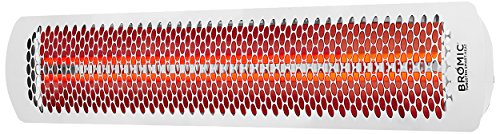
The Bromic Smart-Heat Tungsten electric heater features a high-temperature ceramic coating over stainless steel, using dual infrared tube elements to produce powerful radiant heat suitable for patios and commercial installations.
Call 888-896-7031 for Free Local HVAC Quotes – Compare and Save Today!
- Output & Coverage: High wattage design for larger outdoor or semi-enclosed areas where radiant warmth is preferred.
- Build: Ceramic-coated housing for durability under high temperatures and sleek styling for visible installations.
- Use Case: Designed for installation under awnings, low ceilings, or indoor/outdoor transitional spaces where consistent radiant heat and ambience are needed.
This unit emphasizes durable construction and direct radiant heating rather than convection, making it suitable when you want to warm people and surfaces directly with minimal heat loss to open air.
ITC-100 HT Ceramic Radiant Coating Pint

ITC-100 HT is a ceramic-based refractory coating designed to improve radiant heat reflection and protect furnace and high-temperature surfaces. It’s formulated to reduce fuel consumption and control heating and firing times.
- Function: Reflective ceramic coating to enhance radiant efficiency and protect refractory materials from erosion.
- Applications: Reheat, heat-treating, forging furnaces, and other high-temperature processes where radiant performance matters.
- Performance Benefits: Can influence fuel consumption, process times, and refractory wear when applied correctly by professionals.
This product is targeted at industrial or advanced hobbyist applications rather than residential room heating. It augments radiant performance by modifying surface emissivity and reflectivity at high temperatures.
Buying Guide: How To Choose A Ceramic Radiant Heater
Selecting the right ceramic radiant heater depends on intended use, space, and safety needs. Below are key considerations and comparison perspectives to guide purchase decisions.
1. Heating Type And Element
PTC Ceramic Elements: Self-regulating, fast warm-up, typically combined with a fan for convection plus radiant output. Good for indoor rooms and quick comfort.
Ceramic Heat Emitters: Pure radiant devices emitting infrared heat without visible light, ideal for animal care, brooders, and localized warmth.
Ceramic-Coated Infrared Tubes: High-output radiant systems for patios and commercial spaces where direct warmth at distance is required.
2. Intended Space And Coverage
- Small Bedrooms/Offices: Choose portable PTC ceramic heaters with thermostats and multiple power settings.
- Large Or Outdoor Areas: Look for ceramic-coated infrared patio heaters with higher radiant output and weather-suitable mounting.
- Animal Enclosures Or Task Heating: Use ceramic emitters that provide steady radiant heat without disruptive light.
3. Controls, Thermostat, And Efficiency
Precise thermostats and programmable timers improve comfort and reduce energy usage. Models with incremental temperature control and auto-switching can maintain target temperatures more efficiently than basic on/off units.
4. Safety Features
- Tip-Over Protection: Essential for portable units used around children, pets, or in workshops.
- Overheat Protection: Prevents element failure and reduces fire risk.
- Material Ratings: V0 flame retardant materials and ETL/CE certifications indicate higher safety compliance.
5. Noise, Airflow, And Comfort Type
Fan-assisted ceramic heaters diffuse heat faster but introduce noise. Pure radiant emitters are silent and direct warmth to objects and bodies rather than heating air, which can feel different in the same space.
6. Durability And Maintenance
Ceramic elements are generally robust and long-lived. Check for replaceable parts, warranty coverage, and whether the finish/coating is rated for high-temperature exposure in outdoor units.
7. Installation And Mounting Considerations
Patio and commercial radiant heaters often require fixed mounting with sufficient clearance from surfaces. Portable units need stable placement and unobstructed airflow. For industrial coatings, professional application may be necessary for optimal performance.
8. Comparison Perspectives
Efficiency: PTC ceramic heaters with thermostats typically use energy efficiently for intermittent indoor use. High-output infrared tubes are more efficient at delivering warmth to people outdoors where heating air is impractical.
Comfort Type: Radiant heaters (ceramic emitters or ceramic-coated tubes) warm surfaces and occupants directly, while fan-assisted ceramic heaters create mixed radiant/convection heating that warms air faster.
Safety vs. Output: Higher-output patio systems require careful installation and safety clearances; portable PTC units trade top-end output for improved safety features.
Tips for Getting the Best HVAC Prices
- Prioritize Quality Over Cost
The most critical factor in any HVAC project is the quality of the installation. Don’t compromise on contractor expertise just to save money. - Check for Rebates
Always research current rebates and incentives — they can significantly reduce your overall cost. - Compare Multiple Quotes
Request at least three estimates before making your choice. You can click here to get three free quotes from local professionals. These quotes include available rebates and tax credits and automatically exclude unqualified contractors. - Negotiate Smartly
Once you've chosen a contractor, use the proven strategies from our guide — How Homeowners Can Negotiate with HVAC Dealers — to get the best possible final price.
9. Purchasing Checklist
- Confirm the heater type aligns with your space (room, patio, animal enclosure, industrial).
- Look for certifications (ETL, CE) and built-in safety shutoffs.
- Choose a model with a thermostat and timer for energy savings and comfort control.
- For outdoor use, select units rated for outdoor or semi-enclosed environments and confirm mounting options.
- Consider noise level if placing the heater in sleeping or working areas.