
Quick Overview: Below are five products relevant to heating commercial tents, outdoor event shelters, and temporary spaces. The table summarizes core features to help you compare options at a glance.
| Product | Type | Key Feature |
|---|---|---|
| L.B. White Volt 3 Electric Forced Air | Electric Forced Air | Ambient Thermostat 32°F–100°F, Overheat Protection |
| Mr. Heater Portable Buddy MH9BX | Propane Radiant | 4,000–9,000 BTU Infrared Radiant Heat, Tip-Over Safety |
| Dura Heat EUH1465 Electric Forced Air | Electric Forced Air | 1500W PTC Ceramic Heating, Pivoting Base |
| Buyplus Portable Propane Heater 6200 BTU | Propane Radiant | Portable 6200 BTU With Control Valve & Ignition |
| COBIZI 20×40 Party Tent | Tent Shell | Heavy-Duty 20×40 Structure, UV50+ Waterproof |
Content Navigation
- L.B. White Volt 3 Electric Forced Air Portable Heater
- Mr. Heater Portable Buddy MH9BX 4,000–9,000 BTU
- Dura Heat EUH1465 Electric Forced Air Heater With Pivoting Base
- Buyplus Portable Propane Heater 6200 BTU With Electric Ignition
- COBIZI 20×40 Party Tent Heavy Duty With Sidewalls
- Buying Guide: How To Choose A Commercial Tent Heater
- 1. Heater Type: Electric Forced-Air Vs. Propane Radiant
- 2. Output Capacity And Sizing
- 3. Air Distribution And Placement
- 4. Fuel, Power, And Logistics
- 5. Safety Features And Codes
- 6. Portability, Durability, And Field Service
- 7. Control And Thermostat Options
- 8. Environmental And Emissions Considerations
- 9. Tent Shell And Insulation Effects
- 10. Redundancy And Load Balancing
- 11. Cost Of Operation And Lifecycle
- 12. Comparison Perspectives
L.B. White Volt 3 Electric Forced Air Portable Heater
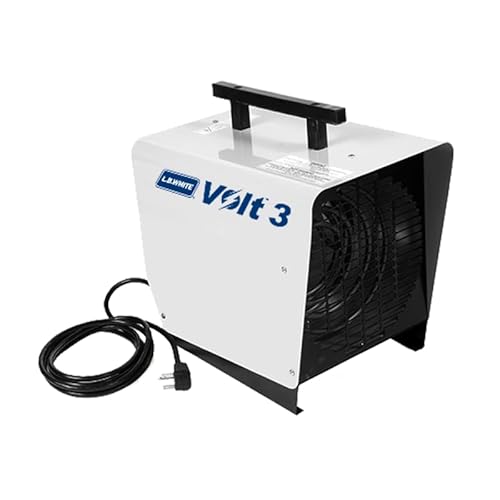
The L.B. White Volt 3 Is A Compact Electric Forced-Air Heater Sized For Indoor And Enclosed Temporary Spaces. The unit Dimensions Are 11″D x 10″W x 15″H And It Weighs About 20.3 Pounds, Supporting Portability For Event Setup Crews.
Features Listed Include A Stainless-Jacketed Heating Coil, Powder-Coated Steel Housing, And A Sealed Motor Designed To Provide Combustion-Free, Odorless Heat. The Integrated Ambient Thermostat Ranges From 32°F To 100°F And The Unit Offers Overheat Protection At 104°F.
For Commercial Tent Use: Electric forced-air units Like This Are Suitable Where Safe Electrical Power Is Available, Where Fuel Storage Is Restricted, And When Steady Ambient Control Is Required. The Product’s Build Quality Emphasizes Durability For Repeated Event Use.
Mr. Heater Portable Buddy MH9BX 4,000–9,000 BTU
Call 888-896-7031 for Free Local HVAC Quotes – Compare and Save Today!
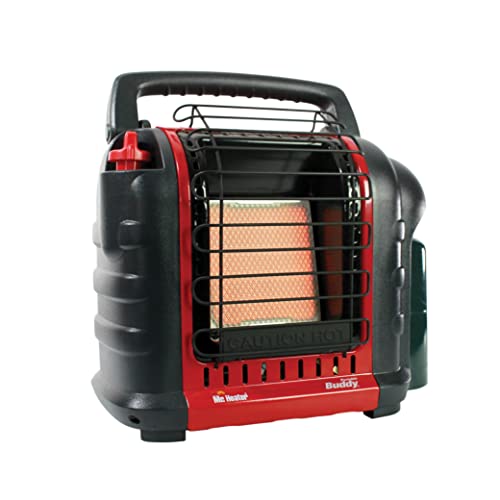
The Mr. Heater Portable Buddy Is A Propane Radiant Heater That Produces 4,000–9,000 BTU And Uses Infrared Technology To Heat People And Objects Directly Rather Than Only Heating Air.
Key Features Include Adjustable BTU Settings For Control Of Heat Output, An Improved Tip-Over Safety Switch That Engages Under Motion, And A Piezo Igniter For Matchless Startup.
For Tent Applications: Radiant Propane Units Offer Fast Perceived Warmth In Partially Open Or Low-Insulation Tents. They Require Proper Ventilation And Compliance With Indoor-Safe Propane Recommendations, Manufacturer Instructions, And Local Codes.
Dura Heat EUH1465 Electric Forced Air Heater With Pivoting Base
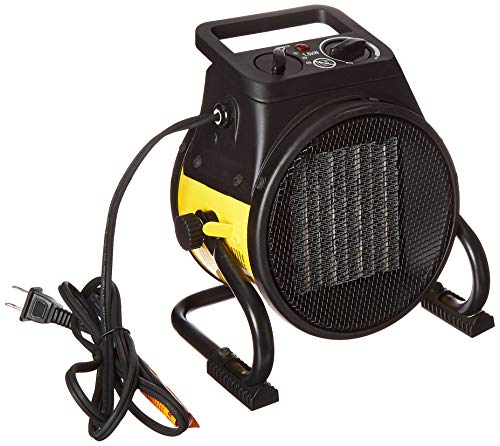
The Dura Heat EUH1465 Is A 1500W PTC Ceramic Forced-Air Heater In A Rugged Steel Enclosure Intended For Garages, Workshops, And Small Commercial Spaces.
The Unit Offers Heat And Fan-Only Modes And A Pivoting Base To Direct Airflow. The PTC Ceramic Element Provides Rapid Warm-Up And Steady Output, While The Steel Housing Suits Frequent Handling In Event Environments.
Call 888-896-7031 for Free Local HVAC Quotes – Compare and Save Today!
For Tent Use: Electric PTC Forced-Air Units Are Effective When Distributed Safely Inside Enclosed Tents With Electrical Access, And When Air Movement Is Acceptable For Guest Comfort And Safety.
Buyplus Portable Propane Heater 6200 BTU With Electric Ignition

The Buyplus Portable Propane Heater Delivers 6200 BTU Of Radiant Heat And Features Electric Ignition, A Control Valve, And A Stable Cylinder Base Designed For Portable Outdoor Use.
Listed Features Emphasize Portability, Rapid Heat Output Suitable For Areas Around 200 Square Feet, And An Adjustable Control Knob For Temperature Management.
For Commercial Tent Use: This Type Of Compact Propane Unit Is Useful For Smaller Event Zones, Break Areas, Or Auxiliary Heating When Larger Systems Are Not Practical. Always Consider Ventilation, Fuel Storage, And Local Regulations Before Deploying Propane Indoors Or In Semi-Enclosed Tents.
COBIZI 20×40 Party Tent Heavy Duty With Sidewalls

While Not A Heater, The COBIZI 20×40 Party Tent Is Included As A Relevant Component For Commercial Tent Heating Strategies. The Tent Features A Heavy-Duty 1.5-Inch Metal Tube Frame, Cathedral Roof, And Heat-Sealed Triple-Layer 160g Polyethylene Covering That Blocks UV And Offers Waterproofing.
Listed Features Include Removable Sidewalls, Built-In Sandbags, And A Closed Ground Link Structure To Improve Stability. The Material Is Described As UV50+ And Tear-Resistant.
For Heating Considerations: Tent Construction, Sidewall Sealing, And Venting Options Significantly Affect Heater Choice And Efficiency. A Well-Designed Tent Shell Reduces Heat Loss And Influences Required Heater Capacity.
Buying Guide: How To Choose A Commercial Tent Heater
This buying guide Covers Key Factors To Help Event Managers, Rental Companies, And Venue Operators Match Heater Type And Capacity To Tent Size, Occupancy, And Safety Requirements.
1. Heater Type: Electric Forced-Air Vs. Propane Radiant
- Electric Forced-Air: Provides steady ambient heat and can integrate with thermostats. Best when reliable electrical supply exists and emissions must be avoided.
- Propane Radiant: Heats people and objects directly, offering fast perceived warmth. More portable and suitable for partially open tents but requires fuel storage and ventilation.
2. Output Capacity And Sizing
Estimate Required Heat In BTU Or Watts Based On Tent Volume, Insulation, Outside Temperature, And Occupancy. For tents with low insulation, allocate higher BTU per square foot. Consider testing under realistic conditions or consulting an HVAC professional for large events.
3. Air Distribution And Placement
- Forced-Air Units Benefit From Strategic Placement Or Ducting To Reduce Cold Spots. Pivoting Fans Or Multiple Smaller Units Improve Uniformity.
- Radiant Units Should Be Positioned To Face Occupied Areas And Avoid Direct Contact With Flammable Fabrics Or Decorations.
4. Fuel, Power, And Logistics
Electric units need adequate circuit capacity and protected cabling for outdoor use. Propane units need secure fuel storage and protocols for cylinder handling and change-outs. Logistics include refueling schedules, spare tanks, and access for technicians.
5. Safety Features And Codes
- Look For Tip-Over Protection, Overheat Cutoff, And Certified Components (UL, CSA Where Applicable).
- Comply With Local Fire Codes Regarding Use Of Fuel-Burning Appliances In Tents; many jurisdictions restrict propane inside fully enclosed tents.
- Ensure Clearances From Tent Fabric, Decorations, And Flammable Materials Per Manufacturer Instructions.
6. Portability, Durability, And Field Service
Commercial operators Should Favor Units With Rugged Housings, Easy Transport Features, And Readily Available Service Parts. Consider Weight, Footprint, And Mounting Options For Repeated Setup And Breakdown.
7. Control And Thermostat Options
Units With Integrated Thermostats Or Remote Control Offer Better Guest Comfort And Fuel Efficiency. Forced-air heaters With Adjustable Ambient Controls Help Maintain Setpoints For Longer Events.
8. Environmental And Emissions Considerations
Propane Produces Combustion Products And Should Be Used With Ventilation Plans For Semi-Enclosed Spaces. Electric Systems Avoid On-Site Emissions But Rely On Grid Energy; factor in generator requirements for remote sites.
9. Tent Shell And Insulation Effects
The Tent Material, Sidewalls, And Seams Dramatically Impact Heat Retention. Using insulated liners, adding sidewall closures, and minimizing door openings reduce heater load and improve occupant comfort.
10. Redundancy And Load Balancing
For Large Events, Deploy Multiple Smaller Units Rather Than A Single Large Heater To Provide Redundancy If One Unit Fails. This Also Allows Zoning—heating only occupied areas to save energy.
11. Cost Of Operation And Lifecycle
Account For Fuel Or Electricity Costs Over Typical Event Durations. Factor In Maintenance, Replacement Parts Availability, And Expected Service Life When Choosing Commercial Equipment.
12. Comparison Perspectives
- Performance Perspective: Radiant Propane Units Tend To Deliver Faster Perceived Warmth Per BTU For Outdoor And Semi-Enclosed Tents.
- Safety Perspective: Electric Forced-Air Units Score Higher Where Emissions Or Fuel Storage Present Risks Or Are Regulated.
- Logistics Perspective: Propane Provides Portability And Independence From Mains Power; electric requires reliable electrical infrastructure or generators.
- Operational Perspective: Thermostatic Control And Even Air Distribution Reduce Fuel Use And Provide More Consistent Comfort For Guests.
Use The Above Criteria To Narrow Options: match heater type to tent construction, ensure compliance with safety codes, and plan for power or fuel logistics. For large commercial operations, consult A Local HVAC Or Event Safety Professional Before Final Deployment.
Tips for Getting the Best HVAC Prices
- Prioritize Quality Over Cost
The most critical factor in any HVAC project is the quality of the installation. Don’t compromise on contractor expertise just to save money. - Check for Rebates
Always research current rebates and incentives — they can significantly reduce your overall cost. - Compare Multiple Quotes
Request at least three estimates before making your choice. You can click here to get three free quotes from local professionals. These quotes include available rebates and tax credits and automatically exclude unqualified contractors. - Negotiate Smartly
Once you've chosen a contractor, use the proven strategies from our guide — How Homeowners Can Negotiate with HVAC Dealers — to get the best possible final price.