
Finding a reliable cordless tent heater means balancing warmth, safety, and portability. Below is a concise comparison of five top portable propane heaters suitable for tents and small outdoor shelters. Each model is referenced with key features to help you choose the right heater for your needs.
| Product | Type | Heat Output | Safety Features |
|---|---|---|---|
| Mr. Heater Portable Buddy MH9BX | Radiant Propane | 4,000–9,000 BTU | Tip-Over Switch, Piezo Igniter |
| Mr. Heater Little Buddy MH4B | Radiant Propane | 3,800 BTU | ODS, Tip-Over Shut-Off |
| GASPOWOR 6200BTU Propane Heater | Radiant Propane | 6,200 BTU | Face Guard, Cylinder Stand |
| HEATHIVE Portable Propane Heater | Radiant Propane | Not Specified (Small Space) | Foldable Base, One-Push Ignition |
| Mosoyolo 6500 BTU Portable Propane | Radiant Propane | 6,500 BTU | Tip-Over Leak Protection, Electric Ignition |
Content Navigation
- Mr. Heater Portable Buddy Heater MH9BX
- Mr. Heater Little Buddy MH4B
- GASPOWOR 6200BTU Propane Heater Camping
- HEATHIVE Portable Propane Heater
- Mosoyolo 6500 BTU Portable Propane Heater
- Buying Guide: Choosing A Cordless Tent Heater
- Heat Output And Coverage
- Fuel Type And Runtime
- Ignition System
- Safety Features
- Form Factor And Portability
- Heat Delivery Type: Radiant Vs. Convection
- Materials, Build Quality, And Durability
- Ventilation And Placement Practices
- Operational Elevation And Weather Considerations
- Maintenance And Consumables
- Comparison Perspectives
- Regulatory And Usage Notes
Mr. Heater Portable Buddy Heater MH9BX
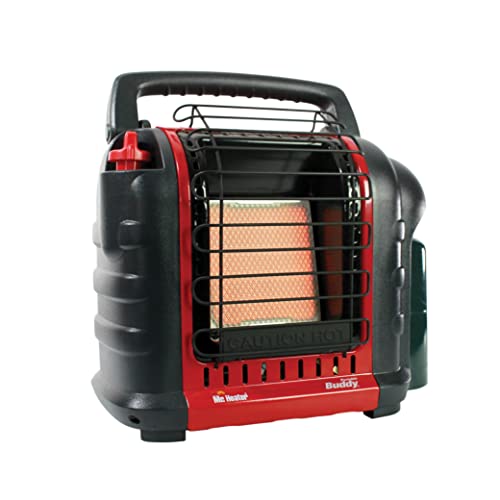
The Mr. Heater Portable Buddy MH9BX is a versatile radiant propane unit designed for campers and workshops. It delivers adjustable output from 4,000 to 9,000 BTU, suitable for areas up to 225 sq. ft. The heater uses infrared technology to warm objects and people directly rather than heating air, improving perceived warmth in enclosed spaces.
Key listed features include an improved tip-over safety switch that provides an audible engagement when displaced and a durable Piezo igniter for matchless startup. The unit is described as suitable for patios, job sites, and campers, and does not require batteries for ignition. Users should ensure proper ventilation and follow manufacturer guidance for indoor-safe propane operation.
Mr. Heater Little Buddy MH4B
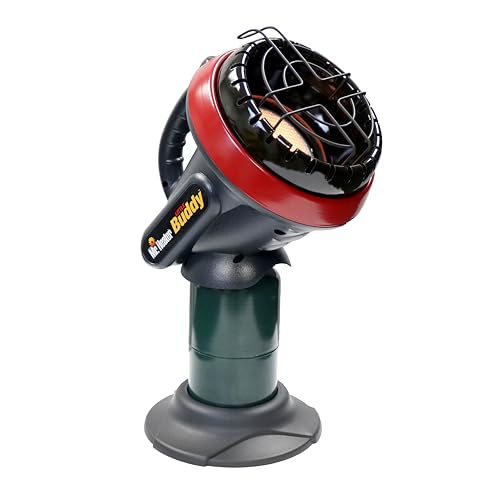
The Mr. Heater Little Buddy MH4B is positioned for small tents and enclosed spaces with a 3,800 BTU output and a 45° heating angle designed to warm up to 95 sq. ft. This model focuses on compact portability and predictable run time on 1-pound propane cylinders.
Call 888-896-7031 for Free Local HVAC Quotes – Compare and Save Today!
Safety features highlighted are an automatic low oxygen shut-off system (ODS), patented cross-thread protection for fuel connections, and an accidental tip-over safety shut-off. The unit is noted for simple on/off operation and an estimated run time at maximum output when paired with the common 1 lb cylinder. Suitable for tent use when placed and vented according to instructions.
GASPOWOR 6200BTU Propane Heater Camping

The GASPOWOR 6200BTU unit provides mid-range heat output designed for outdoor settings and small shelters. It emphasizes user safety with a protective exterior face guard and a stable cylinder stand to keep the fuel source upright during use.
Features include a windproof oriented design and a gasoline-free USB lighter ignition system reference, though the listing cautions that propane tanks are not included. The description stresses keeping the heater away from flammables and contacting the seller for return issues. This model is targeted toward camping and patio scenarios that require portability with some structural stability.
HEATHIVE Portable Propane Heater

The HEATHIVE Portable Propane Heater emphasizes compact transport and quick setup. The product features a lightweight footprint and a durable carrying case for easier movement between campsites or activities like tailgating and ice fishing.
Call 888-896-7031 for Free Local HVAC Quotes – Compare and Save Today!
Its listed benefits include one-push electric ignition and a foldable stand base for fast deployment on a 1 lb propane tank. The manufacturer highlights consistent heat delivery for outdoor environments. As with all propane heaters, adequate ventilation and placement away from flammable materials is essential for safe operation.
Mosoyolo 6500 BTU Portable Propane Heater

The Mosoyolo 6500 BTU heater offers a high BTU rating for rapidly warming small outdoor areas. It highlights built-in electric ignition and an all-aluminum reflector panel for durability and heat directionality in changing conditions.
Safety-oriented features include a tip-over automatic leak protection and brass connector resistant to high-temperature corrosion. The listing notes that propane tanks are not included and advises keeping the device away from flammable materials. The product is pitched for golf carts, tents, and small outdoor shelters where quick radiant heat is required.
Buying Guide: Choosing A Cordless Tent Heater
Heat Output And Coverage
BTU rating is the primary indicator of raw heating capacity. For tent use, common ranges are 3,000–9,000 BTU. Lower BTU models (3,000–4,000) suit very small tents or personal zones, while 6,000+ BTU units cover larger or partially open shelters. Consider the tent volume, insulation, and expected outdoor temperature when matching BTU to coverage.
Fuel Type And Runtime
“Cordless” typically means propane-fueled in this category. Most units use 1 lb cylinders for portability; run time at max output varies by model. If longer runtime is required, confirm compatibility with larger cylinders or plan for spare bottles. Remember that weight and bulk increase with larger fuel canisters.
Ignition System
Ignition methods include Piezo (manual spark), built-in electric igniters, or USB-assisted lighters. Piezo systems do not need batteries, reducing failure modes. Electric igniters make startup easier but can depend on battery or electronic circuits—verify reliability and replacement options for the ignition type.
Safety Features
Important safety elements for tent use include:
- ODS (Oxygen Depletion Sensor) — shuts off if oxygen levels fall.
- Tip-over Shut-Off — prevents gas flow if the unit falls.
- Fuel Connection Protections — cross-thread prevention and secure fittings.
- Physical Guards and Stands — keeps hot surfaces away from contact and stabilizes the fuel source.
Prioritize models that list multiple safety systems and follow placement rules in tent setups to reduce risk.
Form Factor And Portability
Evaluate size, weight, and carrying accessories. Lightweight units like the Little Buddy are easier to pack, while larger radiant heaters provide broader coverage but add weight. Also check foldable stands, protective cases, and whether the design allows upright and stable placement inside a tent.
Heat Delivery Type: Radiant Vs. Convection
Radiant heaters warm objects and people directly, showing quick perceived warmth—useful in tents. Convection units heat air and may require more time and enclosure. Radiant propane models are commonly preferred for camping tents, as they perform well in small, enclosed volumes when safely positioned.
Materials, Build Quality, And Durability
Aluminum reflectors, brass connectors, and robust exterior guards extend durability in outdoor conditions. Corrosion-resistant fittings and protective guards resist rough handling and exposure. Confirm manufacturer statements about materials and check for replacement parts or service options if you plan extended use.
Ventilation And Placement Practices
Tents require careful ventilation when using fuel-burning heaters. Always follow manufacturer instructions on clearance distances and ventilation. Position heaters on flat, stable surfaces and maintain recommended clearances from walls, sleeping bags, and gear. Never place heaters directly under tent fabric or in contact with bedding.
Operational Elevation And Weather Considerations
Some heaters list performance at high elevation—important for mountain camping. Cold temperatures and wind reduce efficiency; windproof designs and reflective shields maintain performance in breezy conditions. If you camp in altitudes above several thousand feet, choose a model that specifies reliable operation at elevation.
Maintenance And Consumables
Consider availability of replacement parts like O-rings, igniters, and fuel fittings. Regularly inspect fuel lines and connectors for wear. Keep spare seals and a spare fuel cylinder when undertaking multi-day trips. Some sellers provide customer support for return or repair issues—factor this into long-term ownership.
Comparison Perspectives
- For Maximum Warmth: Higher BTU units such as 6,000–9,000 BTU models provide faster heat for larger tents or chillier conditions.
- For Light Packs: Small radiant units around 3,800 BTU prioritize portability and shorter runtimes suited to ultralight camping.
- For Ease Of Use: Electric or piezo ignitions avoid matches; piezo requires no batteries while electric igniters may be more convenient in frequent use.
- For Safety-Conscious Use: Models that list ODS, tip-over shutoff, and secure fittings deliver multiple layers of protection for enclosed spaces.
Regulatory And Usage Notes
Check local regulations for open-flame or fuel-burning devices in campgrounds and parks. Some facilities restrict or prohibit indoor use of propane heaters. Always comply with posted rules and manufacturer guidance for safe operation and ventilation.
Tips for Getting the Best HVAC Prices
- Prioritize Quality Over Cost
The most critical factor in any HVAC project is the quality of the installation. Don’t compromise on contractor expertise just to save money. - Check for Rebates
Always research current rebates and incentives — they can significantly reduce your overall cost. - Compare Multiple Quotes
Request at least three estimates before making your choice. You can click here to get three free quotes from local professionals. These quotes include available rebates and tax credits and automatically exclude unqualified contractors. - Negotiate Smartly
Once you've chosen a contractor, use the proven strategies from our guide — How Homeowners Can Negotiate with HVAC Dealers — to get the best possible final price.