
Choosing the right heater for a garage, workshop, patio, or small room requires balancing heat output, fuel type, installation requirements, and safety features. The table below summarizes five top heater options selected for versatility across indoor and semi-outdoor settings.
| Product | Type | Key Benefit |
|---|---|---|
| Dura Heat EUH1465 | Electric Forced Air | Quick forced-air heat; durable steel body |
| Dura Heat EWH5510 | Hardwired Electric Garage Heater | High output for large garages; remote thermostat |
| Heat Hog 4,000 BTU Portable Propane Heater | Propane Radiant | Portable, no-electric radiant heat for small areas |
| Dr Infrared Heater Carbon Infrared Patio Heater | Electric Infrared | Indoor/outdoor-rated infrared with multiple power settings |
| Small Portable Space Heater (Upwsma) | Ceramic Electric | Adjustable thermostat, compact desk/room heating |
Content Navigation
Dura Heat EUH1465 Electric Forced Air Heater
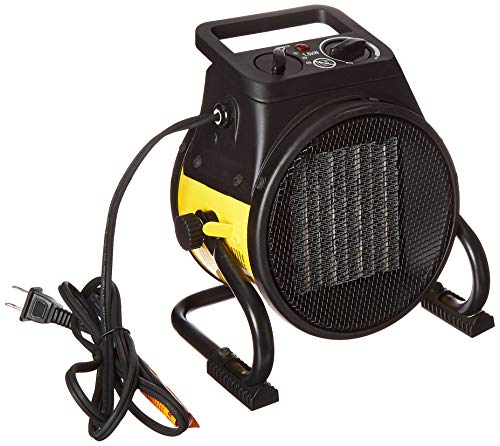
The Dura Heat EUH1465 is a compact forced-air ceramic heater delivering 1500W of PTC ceramic heating and rapid warm-air circulation. Its rugged steel construction is intended for workshops, garages, and small commercial spaces where durability matters.
- Heating Type: Forced air PTC ceramic for quick warm-up.
- Construction: Steel body suited to harsher environments.
- Settings: Heat and fan-only modes for year-round use.
- Use Case: Best for spot heating small work areas or supplementing larger systems.
Consider ventilation and placement so the forced airflow distributes heat effectively. For dusty or flammable environments, follow safety guidance for electric forced-air units.
Dura Heat EWH5510 Electric Garage Heater With Remote

The Dura Heat EWH5510 is a high-capacity garage heater designed to cover larger areas up to around 750 sq. ft. It is a hard-wired 240V / 5,000W unit intended for permanent installation and includes a remote control and adjustable thermostat.
Call 888-896-7031 for Free Local HVAC Quotes – Compare and Save Today!
- Heating Capacity: 17,060 BTU equivalent coverage for garages and workshops.
- Installation: Hard-wired 240V; professional installation required.
- Controls: Remote control and LED display with settable temperature range.
- Use Case: Permanent garage heating solution where wiring and mounting are acceptable.
Because it requires professional wiring, this unit is suited to users seeking a robust, centrally mounted electric solution rather than a portable heater.
Heat Hog 4,000 BTU Portable Propane Radiant Heater

The Heat Hog 4,000 BTU is a small propane-powered radiant heater built for portability. It runs on 1 lb. LP cylinders and delivers up to 4,000 BTU of radiant heat suitable for tents, tailgates, small garages, or RV use where electricity is not available.
- Fuel Type: Propane; no electrical connection required.
- Heating Range: Effective for up to ~100 sq. ft., focused via angled head design.
- Portability: Compact, lightweight design for outdoor and semi-enclosed spaces.
- Use Case: Ideal for temporary or off-grid heating needs, directed radiant warmth.
Observe ventilation and carbon monoxide safety rules when using propane devices indoors or in partially enclosed spaces. Confirm compatibility with local codes for indoor use.
Dr Infrared Heater Carbon Infrared Patio Heater

The Dr Infrared Carbon Infrared Patio Heater is rated for indoor and outdoor use (IP55) and offers clean, instant infrared heat with three power settings: 900W, 1200W, and 1500W. It plugs into a standard 120V outlet and includes remote control convenience.
Call 888-896-7031 for Free Local HVAC Quotes – Compare and Save Today!
- Heating Type: Carbon infrared for direct radiant warmth without heating the air.
- Power Levels: 900W–1500W for adjustable comfort and energy use.
- Environment: IP55 rating makes it usable in protected outdoor spaces and patios.
- Use Case: Patio dining areas, covered decks, or garages where localized radiant heat is preferred.
Infrared heaters work well for supplementing heat in seating zones or targeted areas because they heat objects and people directly rather than large volumes of air.
Small Portable Space Heater With Adjustable Thermostat

This compact ceramic space heater offers two heat levels (1500W / 750W), a cool-fan mode, and an adjustable thermostat for desktop or small-room heating. Safety features include overheat protection and tip-over shutoff.
- Flexibility: Two heat settings plus fan-only mode for year-round use.
- Safety: Overheat and tip-over protection with flame-retardant housing.
- Portability: Lightweight design suitable for bedrooms, offices, or small workshops.
- Use Case: Personal heating near workstations or small enclosed rooms.
Because it operates from standard outlets and includes built-in protections, it is a practical choice for users who need a simple plug-and-play solution.
Buying Guide: How To Choose The Right Heater
Selecting the best heater depends on location, size, fuel availability, and intended use. Below are the key factors to evaluate before buying.
1. Heating Type And Heat Distribution
- Forced-Air Heaters (ceramic/PTC): Quick to raise ambient air temperature and circulate warmth; good for small to medium enclosed spaces but can stir dust.
- Infrared Heaters: Radiant heat that warms objects and people directly. Efficient for targeted heating in patios and seating zones.
- Propane/Radiant Gas Heaters: Useful off-grid or in locations without electricity; best for short-term or outdoor/semi-enclosed use with ventilation.
2. Output Capacity And Coverage
- Match heater output (Wattage or BTU) to area size. Higher wattage or BTU values generally cover larger spaces.
- Consider ceiling height and insulation; heat loss increases with higher ceilings and poor insulation.
3. Installation And Portability
- Portable Plug-In Units: No installation, easy to move. Ideal for renters and temporary use.
- Hard-Wired Garage Heaters: Require professional installation but provide permanent, high-capacity warming.
- Fuel Requirements: Propane needs cylinder supply; hard-wired electrics need the correct voltage and circuit capacity.
4. Safety Features
- Look for overheat protection, tip-over shutoff, and durable housings for workshop use.
- Propane heaters require strict adherence to ventilation and carbon monoxide detection guidelines.
- Forced-air units in dusty or flammable environments need clearance and regular maintenance.
5. Energy Efficiency And Operating Cost
- Electric heaters convert nearly all input power to heat at the point of use; efficiency comes down to how and where you use them.
- Infrared units can be more efficient for spot heating since they heat people and objects, not entire volumes of air.
- Fuel-based units (propane) have different running costs and convenience trade-offs compared to electric models.
6. Environment And Use Case
- Indoor Garages: Prefer electric hard-wired or high-quality plug-in electric units with appropriate capacity.
- Semi-Outdoor/Patio: Weather-rated infrared or outdoor-rated electric heaters work well.
- Portable/Off-Grid: Propane radiant heaters provide heat without electricity but require careful safety management.
7. Controls And Convenience
- Remote controls and adjustable thermostats add convenience and can improve energy management.
- Timed operation or programmable settings help maintain comfort while minimizing waste.
8. Noise, Maintenance, And Durability
- Forced-air heaters produce fan noise; infrared and radiant heaters are typically quieter.
- Regular maintenance, including cleaning filters and checking connections, preserves performance and safety.
- Choose corrosion-resistant and rugged housings for garage or workshop conditions.
Compare the five models above against these factors to determine which best fits your space, power availability, and safety requirements. Prioritize safety features and proper installation for long-term, reliable operation.
Tips for Getting the Best HVAC Prices
- Prioritize Quality Over Cost
The most critical factor in any HVAC project is the quality of the installation. Don’t compromise on contractor expertise just to save money. - Check for Rebates
Always research current rebates and incentives — they can significantly reduce your overall cost. - Compare Multiple Quotes
Request at least three estimates before making your choice. You can click here to get three free quotes from local professionals. These quotes include available rebates and tax credits and automatically exclude unqualified contractors. - Negotiate Smartly
Once you've chosen a contractor, use the proven strategies from our guide — How Homeowners Can Negotiate with HVAC Dealers — to get the best possible final price.