
The following guide compares reliable direct vent propane heaters with blowers suited for American homes. Each featured unit is selected for vented combustion, built-in air-moving components, and indoor-safe operation. A summary table below highlights core specs to help you narrow choices quickly.
| Product | BTU / Coverage | Direct Vent | Blower / Fan |
|---|---|---|---|
| Rinnai EX08DTP Direct Vent Wall Furnace | 8,000 BTU | Yes | Variable Speed Inducer Motor |
| Empire Tahoe Clean Face Direct Vent Fireplace | 25,000 BTU | Yes | Included Blower |
| Comfort Glow 11,000 BTU Direct Vent LP Wall Heater | 11,000 BTU (≈375 sq ft) | Yes | Internal Fan (model dependent) |
| Comfort Glow 17,000 BTU Direct Vent LP Wall Heater | 17,000 BTU (≈570 sq ft) | Yes | Internal Fan (model dependent) |
| Comfort Glow 25,000 BTU Direct Vent Wall Heater (Natural Gas model listed) | 25,000 BTU (≈825 sq ft) | Yes | Internal Fan (model dependent) |
Content Navigation
- Rinnai EX08DTP Direct Vent Wall Furnace, Indoor Propane Heater
- Empire Comfort Systems Tahoe Clean Face Direct Vent Fireplace With Blower
- Comfort Glow 11,000 BTU Direct Vent Liquid Propane Wall Heater, Medium
- Comfort Glow 17,000 BTU Direct Vent Liquid Propane Wall Heater, Large
- Comfort Glow 25,000 BTU Direct Vent Natural Gas Wall Heater, Gray
- Buying Guide: How To Choose A Direct Vent Propane Heater With Blower
- Heating Capacity (BTU) And Room Size
- Direct Vent Versus Vent-Free
- Blower Type And Air Distribution
- Safety Features And Certification
- Controls, Thermostat, And Smart Features
- Installation Considerations
- Fuel Type And Conversion Options
- Maintenance And Longevity
- Noise And Aesthetics
- Cost Of Ownership
- Comparison Perspectives
Rinnai EX08DTP Direct Vent Wall Furnace, Indoor Propane Heater

This Rinnai direct vent wall furnace is designed for indoor propane use with an 8,000 BTU output. It uses modulating technology to adjust gas flow across seven stages for steady temperature control. Included electronics provide an electronic spark ignition, a programmable timer, and an electronic thermostat with a 60–80°F range.
Safety and operation features include a cool-to-the-touch cabinet, child lock, and self-diagnostic monitoring. The unit’s variable speed inducer motor and pressure switch support combustion venting and contribute to air movement—acting as the blower component for direct vent operation.
Empire Comfort Systems Tahoe Clean Face Direct Vent Fireplace With Blower

The Empire Tahoe is a direct vent propane fireplace offering a high-power 25,000 BTU output and a contemporary low-profile design. Its vented system routes combustion gases outside, supporting indoor air quality while producing focal heat for living areas.
Call 888-896-7031 for Free Local HVAC Quotes – Compare and Save Today!
Built with durable metal construction, this model includes a blower for enhanced heat distribution. The fireplace supports customization such as different liners and aesthetic options to match décor, making it suited for spaces where both appearance and effective forced convection heating matter.
Comfort Glow 11,000 BTU Direct Vent Liquid Propane Wall Heater, Medium
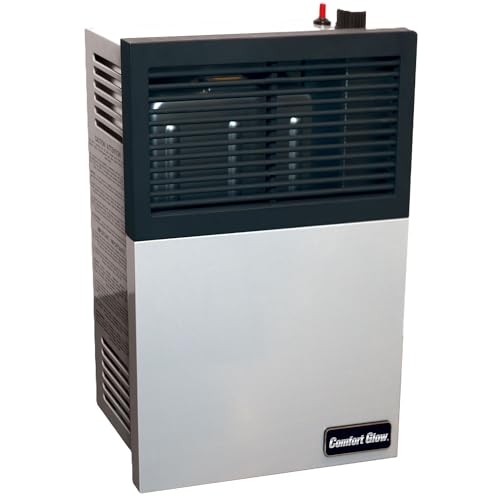
This Comfort Glow wall heater is a vented propane model rated at 11,000 BTU and is intended to heat spaces up to about 375 sq. ft. It uses a sealed burn system and matchless piezo ignition for reliable pilot control and safety pilot features.
The compact, space-saving design mounts on walls to save floor area. While specific blower specifications vary by model, direct vent units typically include an internal fan or airflow assistance to move heated air into the room and utilize the venting system effectively.
Comfort Glow 17,000 BTU Direct Vent Liquid Propane Wall Heater, Large

The Comfort Glow 17,000 BTU direct vent LP wall heater is designed for larger rooms—covering roughly 570 sq. ft. It employs a sealed combustion chamber and a safety pilot regulator that stops gas flow if the pilot is extinguished.
Call 888-896-7031 for Free Local HVAC Quotes – Compare and Save Today!
Its larger casing spreads heat effectively from a wall-mounted position. As with other direct vent units, integration of a fan or blower helps distribute warm air and improves comfort compared to passive convective-only heaters.
Comfort Glow 25,000 BTU Direct Vent Natural Gas Wall Heater, Gray

This Comfort Glow 25,000 BTU model is listed for natural gas and designed to heat up to 825 sq. ft. It features a sealed burn system and a matchless piezo ignition with safety pilot pressure regulation to stop gas flow if necessary.
Although this entry is natural gas, the design illustrates how higher BTU direct vent wall heaters integrate safety and fan-driven distribution for larger spaces. For propane users, comparable direct vent LP models exist in the same family.
Buying Guide: How To Choose A Direct Vent Propane Heater With Blower
Selecting the right direct vent propane heater with a blower requires considering several technical and practical factors. The sections below outline the most important selection criteria and provide comparison perspectives for homeowners, installers, and renters.
Heating Capacity (BTU) And Room Size
Match the heater’s BTU output to the room’s square footage and heat loss characteristics. As a rough guide:
- 8,000–11,000 BTU: small rooms and well-insulated spaces (up to ~375 sq. ft).
- 17,000 BTU: medium rooms or lofted areas (≈570 sq. ft).
- 25,000+ BTU: large open areas or rooms with higher ceilings (≥800 sq. ft).
Consider insulation, window area, and climate. Oversizing can lead to short cycling; undersizing will not maintain comfort.
Direct Vent Versus Vent-Free
Direct vent heaters draw combustion air from outside and expel exhaust outside via co-axial or separate vents. This improves indoor air quality and is often required where building codes restrict vent-free appliances. Vent-free models may be more efficient in terms of delivered heat but can affect indoor oxygen and humidity levels.
Blower Type And Air Distribution
Look for units with a variable-speed blower or inducer motor for better control of airflow and quieter operation. Blowers improve heat circulation beyond natural convection, providing:
- Faster and more even room warm-up
- Reduced temperature stratification
- Option to run fan-only mode on some models for air circulation
Check manufacturer specs for blower noise (dB) and whether the blower is included or optional.
Safety Features And Certification
Prioritize models with multiple safety systems: sealed combustion, overheat protection, flame failure devices, oxygen depletion sensors (where applicable), and self-diagnostics. Confirm UL or CSA certification and local code compliance for propane appliances.
Controls, Thermostat, And Smart Features
Electronic thermostats, programmable timers, and modulating gas valves provide precise temperature control and improved efficiency. Some units offer adaptive digital controls or compatibility with external thermostats—beneficial where zoning or remote control is desired.
Installation Considerations
Direct vent heaters require a vent run to the exterior. Consider:
- Wall thickness and venting path (horizontal or vertical)
- Clearances to combustibles and furniture
- Need for a professional gas line connection and permitting
- Whether the appliance requires dedicated electrical power for controls and blowers
Fuel Type And Conversion Options
Confirm the unit is configured for liquid propane (LP) if you use propane. Some manufacturers offer conversion kits or separate LP and natural gas SKUs. Do not attempt fuel conversion without following manufacturer instructions and local code requirements.
Maintenance And Longevity
Inspect service access for cleaning burners, pilots, and blower assemblies. Choose designs with replaceable filters, accessible blower mounts, and available replacement parts. Routine professional service extends life and maintains safe combustion.
Noise And Aesthetics
Blower-equipped units can produce variable noise depending on fan speed. If quiet operation is important, compare noise ratings and choose models with variable-speed fans and insulated cabinets. Consider finish and grille styling for visible wall-mounted units or fireplaces.
Cost Of Ownership
While sticker price is one factor, evaluate operating cost given BTU efficiency, thermostat controls, and how often the heater will operate. Direct vent systems typically preserve indoor air quality and can reduce HVAC load when used for zoned heating.
Comparison Perspectives
- Small-Space Efficiency: Low-BTU models with modulating valves and a variable blower provide controlled warmth without overshoot.
- Large-Room Output: Higher-BTU direct vent units or fireplace-style heaters with a robust blower are better for open-plan living areas.
- Installation Flexibility: Wall furnaces need minimal floor space; fireplaces require a larger wall opening and potentially more finish work.
- Safety & Regulations: Direct vent units are generally preferred in multi-occupant buildings or tight homes where indoor combustion byproducts are a concern.
Use this guide to compare the selected models against your room size, venting ability, and safety priorities. For final selection and installation, consult a licensed HVAC or gas appliance professional and confirm local code requirements.
Tips for Getting the Best HVAC Prices
- Prioritize Quality Over Cost
The most critical factor in any HVAC project is the quality of the installation. Don’t compromise on contractor expertise just to save money. - Check for Rebates
Always research current rebates and incentives — they can significantly reduce your overall cost. - Compare Multiple Quotes
Request at least three estimates before making your choice. You can click here to get three free quotes from local professionals. These quotes include available rebates and tax credits and automatically exclude unqualified contractors. - Negotiate Smartly
Once you've chosen a contractor, use the proven strategies from our guide — How Homeowners Can Negotiate with HVAC Dealers — to get the best possible final price.