
Keeping outdoor dogs warm requires the right combination of a safe heater and proper placement. This guide reviews five popular doghouse heaters and heating pads that work for insulated kennels, barns, and outdoor shelters. Below is a quick comparison to help you scan core features before diving into full product details.
| Product | Type | Power/Range | Notable Feature |
|---|---|---|---|
| Yattberak Dog House Heater | Wall-Mounted Electric Heater | 500W / 41°F–113°F | Smart App, Timer, IPX5 |
| K&H Lectro-Kennel Heated Pad | Heated Pad | 80W / Mat For Sheltered Areas | Rigid ABS Shell, Washable Cover |
| Hound Heater 400W Furnace | Wall/ Ceiling-Mount Heater | 400W / ~100 cu ft | Proven Durability, Dry Heat |
| Colliford 600W Dog House Heater | Fan-Assisted Heater | 300W/600W / up to 150 ft² | Dual Power Levels, Built-in Fan |
| Briidea 400W PTC Dog Heater | PTC Heater With Fan | 400W / 32°F–122°F, up to 120 cu ft | Rapid Heat, Digital Display |
Content Navigation
Yattberak Dog House Heater With App Control

The Yattberak unit is a 500W PTC wall-mounted heater designed for outdoor pet shelters. It advertises 3-second rapid heating, an adjustable range from 41°F to 113°F, and an IPX5 rating for water resistance.
Key features include a smart app remote for scheduling, preheat, and multi-user control, plus automatic shutoff when the set temperature is reached. The device restarts when ambient temperature falls about 5°F, which helps maintain a stable environment while conserving energy.
Design notes: the unit uses PTC heating elements for fast warm-up, claims anti-chew protections for cords, and integrates timer functions. This heater is suited for well-insulated doghouses and shelters where remote temperature monitoring is useful.
K&H Lectro-Kennel Heated Outdoor Pad
Call 888-896-7031 for Free Local HVAC Quotes – Compare and Save Today!
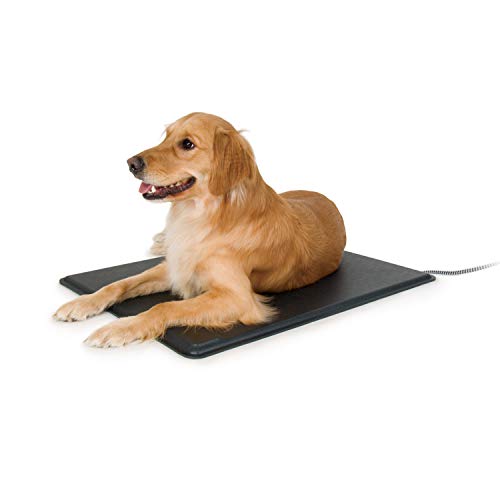
The K&H Lectro-Kennel is a heated pad designed for shelters, kennels, and outdoor enclosures. It features a rigid ABS outer shell, a removable fleece cover, and an 80W thermostatically controlled heating element.
The pad is engineered to warm pets to near their normal body temperature via thermostatic control, activating in response to ambient changes. It includes a steel-wrapped cord for added durability and a washable cover for hygiene maintenance.
Because it is a heated pad rather than a forced-air heater, it delivers direct, surface warmth—useful for animals that like to curl up on a heated surface, and for sheltered applications like garages, sheds, and insulated doghouses.
Hound Heater 400W Dog House Furnace

The Hound Heater is a long-standing, 400W dry-heat furnace that mounts inside doghouses or shelters. It emphasizes proven longevity—rated for many on/off cycles—and a simple plug-in installation with a 10-foot cord.
Safety features include a heavy-duty chew-resistant cord, rounded corners to limit injury, and an internal heat shield to protect wires. The heater is designed to dispense steady, dry heat and to run only when needed for energy savings.
Call 888-896-7031 for Free Local HVAC Quotes – Compare and Save Today!
Installers typically mount this unit higher than the pet to prevent direct contact. It’s aimed at pet owners seeking a robust, low-maintenance heater with a long service life for moderate-sized outdoor shelters.
Colliford 600W Dog House Heater With Fan

Colliford offers a fan-assisted heater with selectable 300W or 600W output. It combines rapid PTC heating and an internal fan to circulate warm air for more even distribution across larger shelters—manufacturer notes suggest coverage up to 150 square feet depending on insulation.
The unit includes a 6.5-foot anti-bite cord with rubber-covered steel springs for chew resistance. Installation requires mounting higher than the pet to avoid blocking outlets and to allow effective airflow.
Dual power levels provide flexibility: use the lower setting for smaller, insulated doghouses and the higher output for larger or less insulated shelters. The fan reduces cold spots but needs space to move air effectively.
Briidea 400W PTC Dog House Heater With Display

Briidea’s 400W unit uses PTC technology for quick 3-second warm-up, an adjustable 32°F–122°F range, and a digital display. It pairs a heater element with a dual ball-bearing fan to distribute heat across spaces up to about 120 cubic feet.
The product includes an 11.5-foot UL-certified, chew-resistant cord and an auto-cycle that runs the fan for additional minutes after achieving set temperature to even out the warmth. The display auto-dims to avoid disturbing pets.
This heater suits owners who want a balance of rapid heat, adjustable digital control, and longer cord reach, particularly for mid-size to larger insulated doghouses and small barns.
Buying Guide: How To Choose The Right Doghouse Heater
Selecting the right heater depends on shelter size, insulation, pet behavior, mounting options, and safety features. Below are the key considerations to compare when evaluating doghouse heating solutions.
Type Of Heater
- Heated Pads (e.g., K&H Lectro-Kennel): Provide direct surface warmth and are ideal for small, sheltered spaces or pets that prefer to lie on a warm surface.
- Wall-Mounted PTC/Element Heaters (e.g., Hound Heater, Briidea, Yattberak): Produce ambient dry heat suitable for whole-shelter warming. PTC units heat quickly and maintain temperature efficiently.
- Fan-Assisted Units (e.g., Colliford): Use a fan to circulate heat, helping reduce cold spots in larger shelters but require room for airflow.
Coverage And Power
Match wattage to shelter volume and insulation. Rough guidance:
- Small, insulated kennel: 80–300W may suffice (heated pads and lower-watt heaters).
- Medium shelter or less insulated house: 300–400W is common.
- Larger or poorly insulated spaces: 600W or fan-assisted higher-output units help maintain even warmth.
Safety Features
- Chew-Resistant Cords: Essential for outdoor pets; look for rubber-coated steel spring or steel-wrapped cords.
- Thermostatic Control: Automatic cycling prevents overheating and reduces energy use.
- Water Resistance: IPX ratings help if the unit will face moisture; keep electrical devices out of direct rain when possible.
- Mounting And Clearance: Mount heaters higher than pet level to avoid direct contact; many units have mounting guidelines to prevent blockage.
Energy Efficiency And Runtime
Heaters with thermostats, eco modes, or smart scheduling (app control) run only as needed and reduce electricity use. Consider rapid heat options for short preheat cycles versus constant-run pads which provide steady surface warmth.
Durability And Maintenance
- Look for long-rated life cycles and robust housings if the heater will be used seasonally for many years.
- Removable covers (for pads) simplify cleaning. Sealed housings reduce dust buildup for forced-air heaters.
Installation And Placement
Plan for cord routing and mounting height. Heaters that require drilling should be installed above the pet’s reach and away from bedding or flammable materials. Fan-assisted units need space for intake and exhaust to avoid recirculating cold air.
Tips for Getting the Best HVAC Prices
- Prioritize Quality Over Cost
The most critical factor in any HVAC project is the quality of the installation. Don’t compromise on contractor expertise just to save money. - Check for Rebates
Always research current rebates and incentives — they can significantly reduce your overall cost. - Compare Multiple Quotes
Request at least three estimates before making your choice. You can click here to get three free quotes from local professionals. These quotes include available rebates and tax credits and automatically exclude unqualified contractors. - Negotiate Smartly
Once you've chosen a contractor, use the proven strategies from our guide — How Homeowners Can Negotiate with HVAC Dealers — to get the best possible final price.
Control Options
- Manual Thermostats: Simple and reliable.
- Digital Displays: Easier to read and adjust temperature precisely.
- Smart App/Remote: Offer scheduling, multi-user access, and remote monitoring—useful for frequent travelers or owners managing climate from inside.
Comparison Perspectives
- Best For Simplicity: Basic dry-heat furnaces or heated pads that plug in and thermostatically control without apps.
- Best For Control: App-enabled models provide remote scheduling and monitoring for precise management.
- Best For Large Areas: Higher-watt, fan-assisted heaters provide volume coverage and circulation.
- Best For Surface Warmth: Heated pads deliver direct contact warmth for older or arthritic animals.
Safety Checklist Before Use
- Confirm correct wattage for the shelter size and insulation level.
- Securely mount heaters above reach and away from bedding or water sources.
- Inspect cords and housings periodically for chew damage and wear.
- Use weather protection where recommended and avoid direct precipitation exposure unless unit is rated for it.