
Driveway heater mats offer an efficient, low-maintenance way to keep driveways, walkways, and stairs free from snow and ice. Below is a snapshot of five reliable mats suitable for different installation needs and budgets.
| Product | Best For | Power / Voltage | Key Feature |
|---|---|---|---|
| SNOWMELTZ Large Area Heated Driveway System | Large Coverage / Embedded Install | 240V, 37 W/sqft | Smart sensor activation, 300 sqft kit |
| SNOWMELTZ Heated Driveway System 40 Sqft | Targeted Driveway Or Walkway Strips | 240V, 37 W/sqft | 2′ x ~20′ mat with auto activator |
| HeatTrak Heated Snow Melting Mat (30″ x 48″) | Portable Entrance Mats | 110V / Electric Mat | Durable, corrosion-resistant, melts ~2″ / hr |
| WarmlyYours 2×10 ft Electric PowerMat | Embedded Under Concrete/Asphalt | 240V, 1000W (per mat) | CSA certified twin-conductor cable |
| SECIVLOT Snow Melting Mats 10 x 30 (3PCS) | Small Steps / Stair Treads | 110V, IP68 Waterproof | Anti-slip rubber, auto melting to 131–149°F |
Content Navigation
- SNOWMELTZ Large Area Heated Driveway System – 300 Sqft
- SNOWMELTZ Heated Driveway System 40 Sqft – 2′ x ~20′
- HeatTrak Heated Snow Melting Mats For Entrances – 30″ x 48″
- WarmlyYours 2×10 Ft Electric Ice And Snow Melting Mat PowerMat
- SECIVLOT Snow Melting Mats Outdoor 10 x 30 (3PCS)
- Buying Guide: How To Choose The Right Driveway Heater Mat
- Area Coverage And Purpose
- Power Requirements And Circuit Considerations
- Installation Type: Embedded Versus Surface
- Automation And Controls
- Durability, Safety, And Certifications
- Energy Efficiency And Operating Costs
- Maintenance And Lifespan Considerations
- Installation Complexity And Contractor Needs
- Comparison Perspective: Performance vs. Convenience
- Specific Use Cases And Recommendations
SNOWMELTZ Large Area Heated Driveway System – 300 Sqft
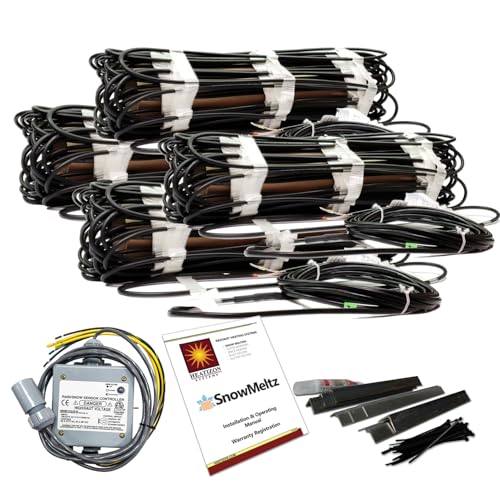
This SNOWMELTZ kit delivers 37 watts per square foot at 240V and includes an activator with temperature and moisture sensing. The system ships as four mats totaling 300 sqft, intended for residential or light commercial driveways and walkways. It is designed to function automatically once the sensor detects wet, low-temperature conditions, initiating snow and ice melting without manual intervention.
Installation options include embedding under concrete, asphalt, or pavers, making the kit suitable for both retrofit and new construction. The features emphasize energy-efficient heat output for continuous slip-free surfaces and adaptability for stairs, porches, and pathways. For projects needing broad coverage with sensor-based automation, this product targets larger areas and integrated installations.
SNOWMELTZ Heated Driveway System 40 Sqft – 2′ x ~20′
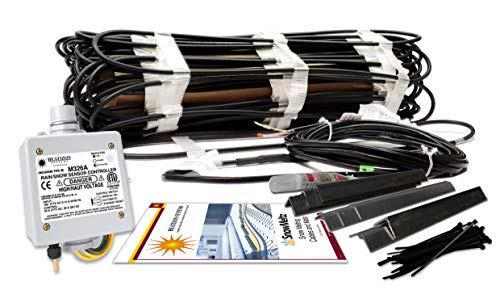
This SNOWMELTZ mat provides the same 37 W/sqft at 240V performance in a single strip roughly 2 feet wide and 20 feet long, offering 40 sqft of coverage. The built-in activator uses temperature and moisture detection to operate automatically, helpful for specific heated tracks such as tire paths, short drive segments, or primary walkways.
Call 888-896-7031 for Free Local HVAC Quotes – Compare and Save Today!
The product is positioned for versatile installation beneath concrete, asphalt, or paver substrates, and can be combined with additional mats for greater coverage. It suits applications where a full heated driveway is unnecessary but targeted deicing is desired. The listed features stress energy-efficient melting and sensor-driven operation for reduced manual effort.
HeatTrak Heated Snow Melting Mats For Entrances – 30″ x 48″

HeatTrak entrance mats are portable electric snow melting mats designed for doors, entries, and short approaches. The 30″ x 48″ mat is constructed from durable, corrosion-resistant materials meant to remain outdoors through winter conditions. The manufacturer reports a melt rate of approximately 2 inches per hour, offering a practical solution for small areas.
Installation is minimal; the mat plugs into an exterior outlet and requires little maintenance. HeatTrak emphasizes energy efficiency compared to larger embedded systems, making these mats useful for renters, temporary conditions, or homeowners seeking a non-invasive deicing option. The design focuses on surface durability and no-slip characteristics appropriate for entryways and porches.
WarmlyYours 2×10 Ft Electric Ice And Snow Melting Mat PowerMat
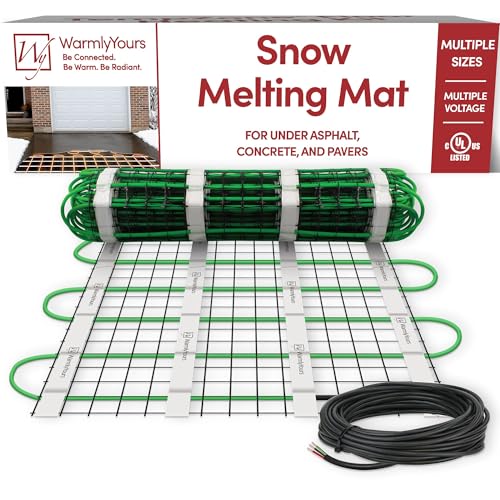
The WarmlyYours PowerMat is a 2′ x 10′ 240V embedded mat rated around 1000 watts per mat and designed for installation under asphalt, concrete, or pavers. The product is CSA certified and uses a twin-conductor heating cable intended for reliability under heavy traffic and winter stress.
Call 888-896-7031 for Free Local HVAC Quotes – Compare and Save Today!
Key features highlighted include invisible installation below the surface for aesthetics and protection, suitability for targeted tire-track deicing or combined coverage, and robust construction for long-term use. This mat suits homeowners or contractors focused on embedded radiant heat with recognized safety certification and an emphasis on durable cable technology.
SECIVLOT Snow Melting Mats Outdoor 10 x 30 (3PCS)
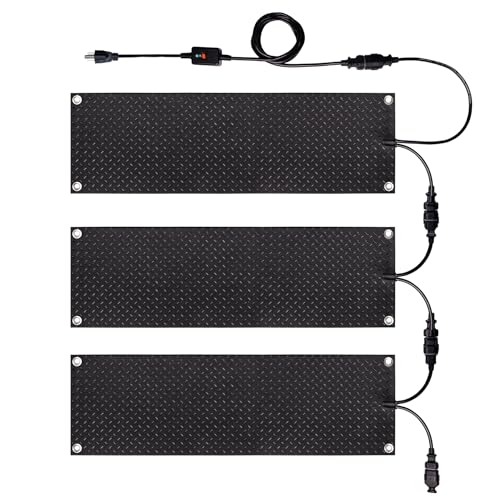
SECIVLOT supplies three rubberized mats each measuring 10″ x 30″, designed for stairs, small steps, or narrow walkways. The mats claim a melt speed of about 2 inches per hour and maintain a surface temperature range of 131–149°F. They are IP68-rated for waterproofing and include a power cord with a leakage switch for safety.
The mats are made from a double-sided non-slip, wear-resistant rubber and support daisy-chaining up to 10 identical pieces. They plug into a standard 110V outlet, making them a convenient, portable option for stair treads, small porches, or temporary deicing needs. The product emphasizes easy use and safety features like ROHS certification and sealing covers for unused ends.
Buying Guide: How To Choose The Right Driveway Heater Mat
Selecting a driveway heater mat involves assessing area, installation, power, safety, and long-term operating costs. Below are key considerations and comparison perspectives to guide a purchase decision.
Area Coverage And Purpose
- Large Embedded Systems (e.g., SNOWMELTZ 300 sqft, WarmlyYours): Best for whole-driveway coverage or heavy-traffic zones. Require professional planning and more electrical capacity.
- Targeted Strips (e.g., SNOWMELTZ 40 sqft, WarmlyYours tire-track approach): Useful for deicing primary paths or tire tracks while limiting power requirements.
- Portable Surface Mats (HeatTrak, SECIVLOT): Ideal for steps, entrances, and temporary use; minimal installation, plug-and-play convenience.
Power Requirements And Circuit Considerations
- 240V systems produce higher watt density and faster melting per sqft; they often need dedicated breakers and electrician installation.
- 110V mats are plug-in friendly but cover smaller areas and provide lower heat output; suitable for stairs and entry mats.
- Confirm home electrical panel capacity and local electrical codes before buying. Large embedded systems may require service upgrades.
Installation Type: Embedded Versus Surface
- Embedded Under Concrete/Asphalt/Pavers: Durable, hidden, and suitable for heavy-duty or permanent installations. Requires cutting or building new surfaces and professional embedding for long life.
- Surface/Portable Mats: Quick deployment, seasonal use, and easier replacement. They can be rolled away during warm months but may be less durable under heavy vehicle traffic.
Automation And Controls
- Smart Activators (Temperature & Moisture Sensors): Automatically turn mats on when conditions warrant, improving energy efficiency and convenience.
- Manual Switches/Timers: Offer control but need user input; useful when automation is unnecessary or unavailable.
Durability, Safety, And Certifications
- Look for weatherproof ratings (e.g., IP68 for waterproof mats), corrosion-resistant materials for outdoor exposure, and robust cable construction for embedded systems.
- Certifications such as CSA or ROHS indicate independent testing and safety compliance; leakage switches and sealed ends add protection for portable mats.
- Consider anti-slip surface texture if mats are used for pedestrian areas.
Energy Efficiency And Operating Costs
- Wattage per square foot is a key metric: higher W/sqft melts faster but consumes more power. Compare required coverage area and activation patterns to estimate runtime and expected electricity use.
- Automated sensor-driven systems can reduce unnecessary runtime, lowering energy costs versus manually-run systems.
Maintenance And Lifespan Considerations
- Embedded systems generally offer longer lifespans with less seasonal storage but may be costly to repair if the surface is disturbed.
- Portable mats require storage and periodic inspection for wear, wire integrity, and surface damage. Check manufacturer-recommended maintenance schedules.
Installation Complexity And Contractor Needs
- Embedded 240V systems commonly require licensed electricians and possibly road/driveway work by contractors. Factor in installation timelines and permits.
- Plug-in mats can be installed by homeowners but confirm outdoor outlet ratings and proper GFCI protection.
Comparison Perspective: Performance vs. Convenience
- If the priority is continuous, invisible performance and long-term convenience, embedded 240V mats provide the strongest solution but require higher upfront installation effort.
- If the priority is flexibility and low installation cost, portable mats like HeatTrak or SECIVLOT offer fast deployment and seasonal use without electrical upgrades.
- For targeted deicing (tire tracks, entryway), choose narrower strips or combined systems that balance coverage and power needs.
Specific Use Cases And Recommendations
- Large residential driveway: Consider a multi-mat embedded kit with sensor activation to automate melt cycles and maximize safety.
- Short walkways or entryways: Portable HeatTrak or SECIVLOT mats provide a low-effort approach with plug-in convenience.
- Retrofit under existing pavers or concrete: Choose systems rated for embedding and specify cable depth and overlap requirements with your contractor.
Use this guide to match the mat’s form factor, power, and control features to the intended area and local electrical capacity. Prioritize safety certifications and installation planning to ensure reliable, efficient winter performance.
Tips for Getting the Best HVAC Prices
- Prioritize Quality Over Cost
The most critical factor in any HVAC project is the quality of the installation. Don’t compromise on contractor expertise just to save money. - Check for Rebates
Always research current rebates and incentives — they can significantly reduce your overall cost. - Compare Multiple Quotes
Request at least three estimates before making your choice. You can click here to get three free quotes from local professionals. These quotes include available rebates and tax credits and automatically exclude unqualified contractors. - Negotiate Smartly
Once you've chosen a contractor, use the proven strategies from our guide — How Homeowners Can Negotiate with HVAC Dealers — to get the best possible final price.