
Choosing a dual propane heater depends on whether you need dual-tank hookup, dual-burner output, or dual-fuel capability. The table below summarizes the five selected heaters targeted at campers, patios, garages, and vent-free indoor spaces.
| Product | Type | Key Feature |
|---|---|---|
| Mr. Heater 4,000–18,000 BTU | Portable Tank-Top | Dual Tank Connection, multiple heat settings |
| Comfort Gear Double Tank Top | Portable Radiant | Double burner heads, variable output |
| Avenger FBDTP30 Infra‑Red | Outdoor Tank-Top | Double burner, swivel heads, 30,000 BTU |
| Mr. Heater Dual 1 lb. Tank Hook Up Kit | Accessory | Connects two 1 lb tanks for longer run time |
| Mr. Heater 20,000 BTU Vent Free Dual Fuel | Wall/Vent‑Free Heater | Dual fuel (propane & natural gas), thermostat control |
Content Navigation
Mr Heater Portable LP Dual Tank Heater
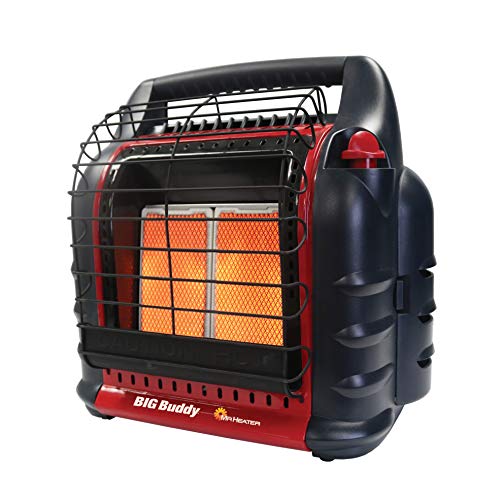
This portable propane tank heater offers variable heat settings of 4,000, 9,000, and 18,000 BTU and claims coverage up to 450 square feet. It supports connection to larger tanks up to 40 lbs with an additional hose and filter and includes a built-in dual tank connection for certain setups. The unit employs a single control start knob with piezo spark ignition and an automatic safety shutoff if tipped over.
Features listed include multi-level heating, compatibility with larger LP tanks (with accessory hose), and safety measures such as tip-over shutoff. Suitable for campsite use, porches, or sheds where portable radiant heat is needed and a dual-tank configuration can extend runtime or capacity.
Comfort Gear Double Tank Top Propane Heater

The Comfort Gear double-head radiator is a 30,000 BTU tank-top infrared heater designed for outdoor use on a 20 lb propane cylinder. It provides independent swivel heads and variable outputs (18k, 26k, 30k BTU listed) with match-light ignition and a CSA-certified safety tip function. Construction is heavy-duty steel intended for jobsite, garage, or workspace heating.
Call 888-896-7031 for Free Local HVAC Quotes – Compare and Save Today!
Highlighted features include long run times (up to 48 hours on a 20 lb tank per the listing), independent burner control for directional warmth, and built-in tip-over safety. The unit is marketed for outdoor-only operation and for users needing portable radiant heat with dual-burner coverage.
Avenger Tank Top Double Burner Infra‑Red

The Avenger tank-top heater is a 30,000 BTU double-burner unit with three heat settings and front/rear wire guards. It installs on top of standard propane tanks and features swivel burner heads that tilt up to 45 degrees to direct infrared heat. Ignition is match-light with a built-in safety control valve to shut off gas flow if flame is lost.
Key product features include rapid heat-up times, portability for camping or patio use, and safety devices such as a tip switch and flame-failure valve. The dual-burner design and directional heads aim to maximize warmed area where mounted directly to a tank.
Mr Heater Dual 1 lb. Tank Hook Up Kit

This accessory kit connects two 1 lb propane cylinders to a single propane device, allowing the connected appliance to draw evenly from both tanks. The design increases run time and tank yield for small portable heaters and appliances that accept 1 lb cylinder inputs.
Call 888-896-7031 for Free Local HVAC Quotes – Compare and Save Today!
Documented features include balanced draw from both tanks and compatibility with portable propane devices that use 1 lb cylinders. The kit is useful for campers or users of small tank-top heaters seeking extended operation without changing cylinders frequently.
Mr Heater 20,000 BTU Vent‑Free Dual Fuel Heater

This wall-mounted vent-free blue flame heater operates on both propane and natural gas and provides 20,000 BTU with coverage up to 700 square feet. It features a thermostat for variable heat settings, a low oxygen shut-off system (ODS), and a two-step fuel connection to prevent incorrect hookups. The heater is rated to operate at elevations up to 4,500 feet.
Listed features emphasize efficient convection heating, dual-fuel versatility, and multiple safety systems including ODS and patented fuel connection. This model targets users wanting a permanent vent-free heating solution usable on propane when natural gas is not available.
Buying Guide: Choosing The Right Dual Propane Heater
Selecting the right dual propane heater relies on matching device type to intended use, safety requirements, and fuel setup. The sections below outline key factors to evaluate before purchase.
Heater Type And Intended Use
- Tank‑Top Portable Heaters: Mount on a standard propane cylinder for camping or patio use. Look for dual-burner models or compatibility with dual-tank hook-ups for extended runtime.
- Vent‑Free Wall Heaters: Provide stationary indoor heating and may offer dual-fuel capability (propane and natural gas). Ensure local codes permit vent-free appliances indoors.
- Fire Pit/Table Hybrids: Combine aesthetic fire features with supplemental infrared heating; best for outdoor social spaces.
Dual Functionality Types
- Dual Tank Connection: Lets one appliance draw from two tanks for longer runtime; often used with portable heater accessories or kits.
- Double Burner / Dual‑Head: Two burners increase surface heating and allow directional control; beneficial for patio coverage.
- Dual Fuel (Propane & Natural Gas): Offers installation flexibility—choose when fuel availability varies. Confirm correct connections and conversion parts.
Heat Output And Coverage
- Match BTU rating to the square footage and insulation of the target area. Higher BTU produces more heat but requires larger tanks or fixed gas supply.
- Infrared/tank-top devices provide direct body heat and work well outdoors. Vent-free convection heaters distribute warmth across rooms indoors.
Safety Features
- Tip‑Over Shutoff: Critical for portable tank-top units used on uneven surfaces.
- Flame Failure / Safety Valve: Stops gas flow if the flame extinguishes unexpectedly.
- Low Oxygen Shutoff (ODS): Required on many indoor vent-free units to prevent unsafe indoor oxygen depletion.
- Confirm CSA or other recognized safety certifications where applicable.
Fuel And Connection Considerations
- Determine whether you need a heater that connects to small 1 lb cylinders, 20 lb tanks, or fixed line gas. Kits exist to join multiple small cylinders for extended use.
- For dual fuel units, inspect manufacturer guidance and hardware for switching fuel types; improper hookups can be dangerous.
- Consider storage and concealment of spare tanks or hidden tank compartments for patio furniture integration.
Installation And Ventilation
- Vent-free heaters require adequate room size and sometimes local code compliance; check building codes and manufacturer instructions.
- Outdoor tank-top heaters should be used only in open or well-ventilated spaces as specified by the manufacturer.
- Permanent wall or built-in units may need professional installation to meet gas line and safety requirements.
Durability, Portability, And Material
- Stainless or heavy-gauge steel frames withstand jobsite or outdoor conditions. Look for weather-resistant finishes for patio appliances.
- Portable models should balance weight with stability—dual burners add heat but can influence center of gravity when mounted on tanks.
Controls And Usability
- Thermostatic control is valuable for indoor vent-free units to maintain comfort levels efficiently.
- Simple start knobs and piezo ignition remove dependence on external power; match-light designs are common but consider convenience vs. simplicity.
Comparison Perspectives
- Runtime vs. Heat Output: Higher BTU shortens runtime on a fixed-size tank; dual-tank hookups or larger tanks mitigate this trade-off.
- Outdoor vs Indoor Safety: Tank-top heaters excel outdoors; vent-free units provide better indoor distribution but require strict ventilation and safety features.
- Portability vs Installation: Portable tank-top heaters and hook-up kits favor mobility. Wall-mounted dual-fuel units require installation but offer hands-off operation.
When comparing models, weigh the type of dual capability (tank linkage, dual burner, or dual-fuel), required heat coverage, safety systems, and compliance with local codes. Prioritize the feature set that aligns with where and how you plan to use the heater.
Tips for Getting the Best HVAC Prices
- Prioritize Quality Over Cost
The most critical factor in any HVAC project is the quality of the installation. Don’t compromise on contractor expertise just to save money. - Check for Rebates
Always research current rebates and incentives — they can significantly reduce your overall cost. - Compare Multiple Quotes
Request at least three estimates before making your choice. You can click here to get three free quotes from local professionals. These quotes include available rebates and tax credits and automatically exclude unqualified contractors. - Negotiate Smartly
Once you've chosen a contractor, use the proven strategies from our guide — How Homeowners Can Negotiate with HVAC Dealers — to get the best possible final price.