
Finding the right heater for a tent setup that supports ducting requires attention to airflow, safety features, and fuel type. The table below summarizes five well-regarded Amazon models chosen for ducted or tent-friendly heating, mixing purpose-built ductable designs and high-performance portable heaters often adapted with ducting or hose kits.
| Product | Brand | Key Feature |
|---|---|---|
| AC Infinity THERMOFORGE T3 | AC Infinity | Built-in VPD controller & included extension hose |
| Mr. Heater Portable Buddy MH9BX | Mr. Heater | 4,000–9,000 BTU radiant heat, indoor-safe features |
| Mosoyolo Portable Propane Heater 6500 BTU | Mosoyolo | High 6500 BTU output with electric igniter |
| Buyplus Portable Propane Heater 6200 BTU | Buyplus | Compact 6200 BTU radiant heater with control valve |
| HEATHIVE Portable Propane Heater | HEATHIVE | Foldable base, one-push ignition, compact for tent use |
Content Navigation
AC Infinity THERMOFORGE T3 Environmental Grow Tent Heater

The AC Infinity THERMOFORGE T3 is a purpose-built heater focused on grow tents and enclosed environments that need regulated conditions. It uses PTC plate technology with 10 heat levels and PWM control for fine temperature adjustments. The onboard controller supports VPD (vapor pressure deficit) and temperature triggers, timers, and cycles. An included extension hose aids ducting into tents or rooms without direct air mixing. This model emphasizes precision controls over raw BTU output, making it suitable when controlled warm airflow and environmental stability are priorities.
Mr. Heater Portable Buddy Heater MH9BX
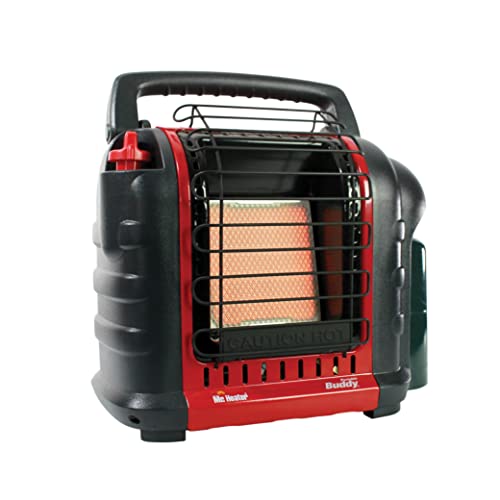
The Mr. Heater MH9BX is a widely used portable radiant propane heater delivering 4,000 to 9,000 BTUs and designed for indoor-safe use with improved safety switches. It produces infrared, sun-like warmth that heats objects and people directly. Key safety features include a tip-over switch and low-oxygen shutoff behavior. While primarily radiant, many users adapt radiant heaters with simple ducting or reflective channels to move warmed air into a tent or shelter. The durable Piezo igniter provides reliable matchless ignition.
Mosoyolo Portable Propane Heater 6500 BTU

Call 888-896-7031 for Free Local HVAC Quotes – Compare and Save Today!
The Mosoyolo 6500 BTU model focuses on strong heat output with a built-in electric igniter for quick starts. Listed features highlight a high BTU rating, tip-over automatic leak protection, and a corrosion-resistant brass connector. The all-aluminum reflector panel helps direct heat. For ducted tent applications, the heater’s robust output can be paired with a short insulated hose or directional ducting to channel warm air into a tent while keeping the unit outside or in a ventilated area. Safety notes stress keeping the unit away from flammable materials.
Buyplus Portable Propane Heater 6200 BTU

The Buyplus 6200 BTU portable propane heater is compact and designed to heat areas up to approximately 200 square feet. It features a control valve and electric ignition and is marketed for tent and outdoor uses like fishing shelters. Its radiant heating design prioritizes rapid, direct warmth. For tent ducting, users commonly mount small duct adapters or use reflective tubing to direct the heater’s output into a tent vestibule or plenum while maintaining ventilation and flame-safe clearances.
HEATHIVE Portable Propane Heater For Small Spaces

The HEATHIVE portable propane heater emphasizes portability with a foldable stand base and one-push electronic ignition. The manufacturer lists consistent heat delivery and a compact carrying case for transport. This small-space radiant heater is commonly used for tents, patios, and garages. When paired with a short duct or heated air channel and appropriate safety ventilation, it can serve as a directed warm-air source for tents where full ducted fan-blown solutions aren’t available.
Buying Guide For Ducted Tent Heaters
Selecting a heater for tent ducting requires matching heating method, safety, and airflow strategy to your use case. Below are the primary considerations and comparison perspectives to help evaluate options.
Call 888-896-7031 for Free Local HVAC Quotes – Compare and Save Today!
Tips for Getting the Best HVAC Prices
- Prioritize Quality Over Cost
The most critical factor in any HVAC project is the quality of the installation. Don’t compromise on contractor expertise just to save money. - Check for Rebates
Always research current rebates and incentives — they can significantly reduce your overall cost. - Compare Multiple Quotes
Request at least three estimates before making your choice. You can click here to get three free quotes from local professionals. These quotes include available rebates and tax credits and automatically exclude unqualified contractors. - Negotiate Smartly
Once you've chosen a contractor, use the proven strategies from our guide — How Homeowners Can Negotiate with HVAC Dealers — to get the best possible final price.
Heating Method: Radiant vs. Forced-Air
- Radiant Heaters (propane/butane models): Heat objects and people directly. They are efficient for short-range warmth and are commonly portable. Ducting radiant heat is less direct; most users channel warmed air with insulated tubing or rely on reflective panels to guide heat into a tent area.
- Forced-Air or Electric PTC Heaters: Use a fan or blower to move warmed air through a hose or duct. These are ideal when you need uniform tent air temperature and controlled environmental conditions. The AC Infinity THERMOFORGE T3 is an example with a controller and included hose that supports ducting.
Fuel Type And Logistics
- Propane/Butane: High heat output and portability. Requires fuel canisters and attention to ventilation and CO buildup. Propane tends to be more available for cold weather. Tip-over and low-oxygen safety features are critical.
- Electric: Cleaner indoor air with no combustion byproducts. Requires power access or generator. Electric PTC models provide precise control and simpler duct integration.
Safety Features To Prioritize
- Low-Oxygen (ODS) Shutoff: Prevents operation if oxygen levels drop—important for enclosed tents.
- Tip-Over Protection: Automatic shutoff if the heater falls.
- Automatic Leak/Flame Protection: Valves or sensors that stop gas flow if abnormal conditions occur.
- Clearances: Ensure the heater’s required distance from flammable materials is maintained when ducting warm air into a tent.
Airflow And Ducting Considerations
- Hose Length And Diameter: Shorter, wider ducts reduce heat loss and pressure drop. Insulated hose helps retain temperature.
- Fan-Assisted Delivery: Forced-air units or inline fans move heat more evenly than passive ducting from radiant units.
- Placement: Position the heat source outside or in a ventilated area when possible, ducting warm air into the tent to reduce combustion risk inside.
Environmental Control And Precision
- Built-In Controllers: Models with thermostats, timers, or VPD controllers allow maintaining target air conditions. This is essential for grow tents or sensitive setups.
- Variable Output: Multiple heat levels or PWM control enable finer adjustments and better fuel efficiency.
Portability And Setup
- Weight & Footprint: Consider transport needs and tent interior space. Compact, foldable bases are easier to pack.
- Ignition Type: Electric or Piezo igniters remove the need for matches and speed startup.
- Mounting & Stability: Stable bases or brackets reduce tip-over risk when using ducts that may pull or push air.
Comparison Perspectives
- Precision vs. Power: Electric PTC units like the AC Infinity are best for precise control and direct ducting, while high-BTU propane units (Mr. Heater, Mosoyolo, Buyplus) deliver rapid heat but require stricter ventilation management.
- Indoor Safety vs. Outdoor Portability: Indoor-safe certified models are preferable if catalyst or confined tent use is planned. Portable propane heaters excel outdoors or in ventilated shelters.
- Integration Effort: Purpose-built ductable heaters reduce setup complexity. Adapting radiant units requires additional components like insulated tubing, inline fans, or reflective plenums.
Practical Tips For Ducted Tent Heating
- Always test the setup in a controlled environment before relying on it overnight.
- Use an external CO detector and a separate thermostat sensor placed inside the tent.
- Insulate ducts and minimize bends to reduce heat loss and improve efficiency.
- Keep fuel storage away from sleeping areas and ensure proper ventilation when using combustion heaters.