
Panel heaters that emphasize energy efficiency, low noise, and safe wall-mounted operation are ideal for supplemental or primary heating in smaller spaces. Below is a concise comparison of five relevant models to help American homeowners evaluate options quickly before diving into detailed reviews.
| Product | Brand | Power/Target Room | Key Feature |
|---|---|---|---|
| EconoHome Wall Heater Panel | EconoHome | 400W / Up To 120 Sq Ft | Low watt convection, thermostat, heat reflector |
| Envi Plug-In Panel Heater | ENVI | Low-Watt / Continuous 24/7 Use | Fan-less, wall-sense safety sensor |
| DeLonghi Mica Panel Space Heater | De’Longhi | 1500W / Medium-Large Rooms | Mica heating element, adjustable thermostat |
| DeLonghi Convection Panel Heater | De’Longhi | 1500W / Medium-Large Rooms | ECO PLUS function, timer, versatile mounting |
| NORRUK Wall-Mounted Panel Heater | NORRUK | 500W / Up To 150 Sq Ft | Quiet convection, portable stand, writable surface |
Content Navigation
- EconoHome Wall Heater Panel
- Envi Plug-In Panel Heater
- DeLonghi Mica Panel Heater
- DeLonghi Convection Panel Heater
- NORRUK Wall-Mounted Panel Heater
- Buying Guide: Choosing The Right Eco Panel Heater
- 1. Energy Efficiency And Operating Profile
- 2. Room Size And Heat Output
- 3. Installation Type: Plug-In vs Hard-Wired vs Portable
- 4. Noise, Air Quality, And Allergy Considerations
- 5. Safety Features And Certifications
- 6. Controls, Thermostat Accuracy, And Programmability
- 7. Build Quality, Warranty, And Brand Support
- 8. Multi-Perspective Tradeoffs
- 9. Integration With Home Energy Strategies
- 10. Practical Questions To Ask Before Buying
EconoHome Wall Heater Panel

The EconoHome Wall Heater Panel Is A 400W convector designed for rooms up to 120 square feet. It emphasizes low energy consumption with a reported 0.6 kW/hr usage and includes a thermostat that controls temperatures between 41–86°F. A heat reflector is provided to improve efficiency by directing warmth into the room rather than the wall.
Safety certifications include cETL approval and compliance with UL-2021 and RoHS standards. Overheat protection is built in and the manufacturer offers a 3-year warranty. The panel can be hard-wired, which may suit permanent installations. Its exterior will feel warm to the touch and it relies primarily on convection currents for even heating.
Envi Plug-In Panel Heater
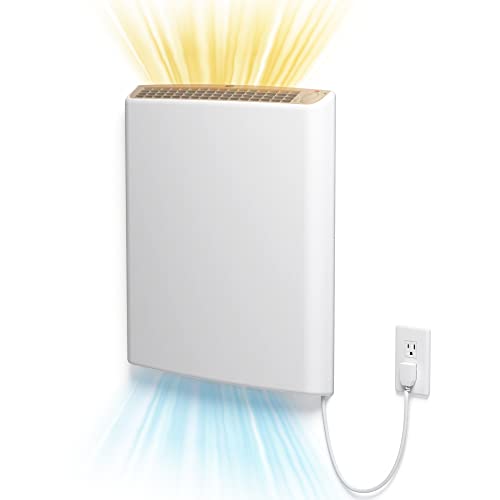
The ENVI Plug-In Electric Panel Heater Is Marketed For 24/7 continuous low-wattage heating. It uses a fan-less “stack convection” design that provides silent warmth while limiting dust circulation—helpful for allergy concerns. The unit operates at a cool surface temperature (~90°F) to enhance safety around children and pets.
Call 888-896-7031 for Free Local HVAC Quotes – Compare and Save Today!
Notable safety features include a wall-sense sensor that cuts power if the unit is removed from the wall. The plug-in format enables quick installation and relocation without hard-wiring. Its energy-efficient profile makes it appropriate as a supplement to central heating or for targeted comfort in occupied zones.
DeLonghi Mica Panel Heater

The De’Longhi Mica Panel Space Heater Uses A 1,500W mica heating element intended for medium to large rooms. It offers adjustable thermostat control and two heat settings for tailored comfort. The mica element aims to deliver gentle, even heat while minimizing air disturbance that can stir dust or allergens.
Safety elements include thermal shutoff and an internal tip-over switch. The unit converts virtually all electrical input into heat when active, which supports consistent room warming. It can be freestanding or wall-mounted, and includes features targeted at full-room heating with quiet operation.
DeLonghi Convection Panel Heater
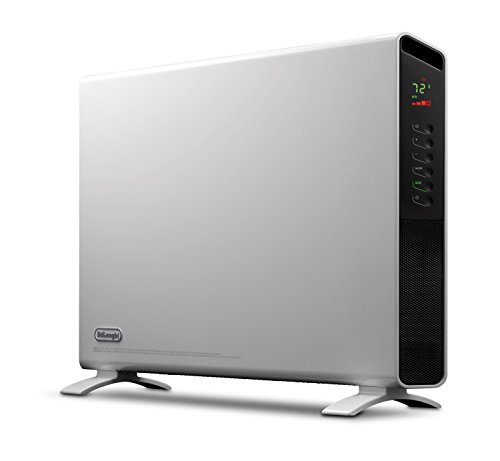
The De’Longhi Convection Panel Heater Combines 1500W power with design flexibility for floor placement or wall mounting using the included kit. It features an ECO PLUS function that automatically adjusts heat and power settings to maintain comfort while reducing energy consumption.
Call 888-896-7031 for Free Local HVAC Quotes – Compare and Save Today!
The model includes a timer and easy-to-use controls, and its fast heat distribution aims to warm living spaces efficiently. The product is positioned as suitable for bedrooms and common rooms, with an emphasis on versatile installation and energy-saving modes to improve overall efficiency.
NORRUK Wall-Mounted Panel Heater
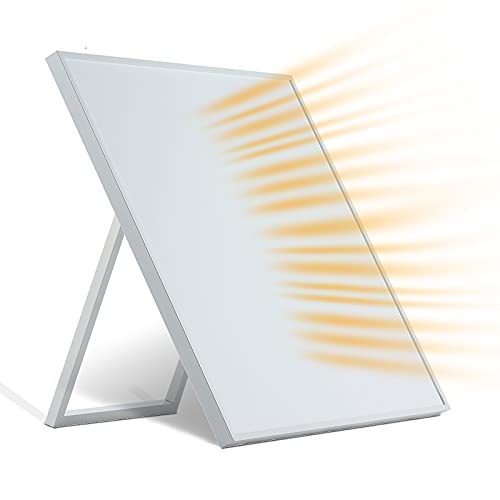
The NORRUK Wall-Mounted 120V 500W Panel Heater Offers quiet, dust-free convection heating for spaces up to about 150 square feet. Its fan-free operation is highlighted as suitable for asthma and allergy sufferers since it reduces airborne dust and does not dry the air excessively.
The heater includes a lightweight aluminum stand for portability and a glossy front surface that can be used as a writable or paintable whiteboard. Overheat protection is included, and the unit is promoted as a cost-efficient supplemental heating solution that can reduce heating expenses when used strategically.
Buying Guide: Choosing The Right Eco Panel Heater
Selecting an eco panel heater requires balancing energy use, room size, safety, and installation. The following factors and comparison perspectives will help you narrow options based on your needs.
1. Energy Efficiency And Operating Profile
Compare rated wattage and expected runtime. Lower-watt models1500W units
2. Room Size And Heat Output
Match heater capacity to room area. Manufacturers often specify recommended square footage; use this guidance but also factor ceiling height, insulation, and draftiness. For spot heating (near seating or a workstation), a lower-watt panel may be sufficient. For full-room heating, higher wattage or multiple panels may be needed.
3. Installation Type: Plug-In vs Hard-Wired vs Portable
Plug-in models provide flexibility and quick installation without an electrician, making them easier to move between rooms. Hard-wired panels are more permanent and can be better integrated into a home’s heating plan, often improving aesthetics. Portable units or those with included stands mix the benefits of mobility with the ability to wall-mount later.
4. Noise, Air Quality, And Allergy Considerations
Fan-less, convective panels operate silently and reduce air agitation, beneficial for bedrooms and allergy sufferers. If low dust circulation and quiet performance are priorities, choose fan-less designs or units explicitly marketed as “silent” or “dust-free.”
5. Safety Features And Certifications
Prioritize products with overheat protection, tip-over switches (for portable units), and temperature-limiting surfaces. Certifications such as ETL, UL, or equivalent indicate independent testing for electrical safety. For homes with children or pets, surface temperature specs and sensors that cut power when displaced enhance safe operation.
6. Controls, Thermostat Accuracy, And Programmability
Thermostats allow units to maintain set temperatures and avoid wasteful operation. Digital timers and ECO modes support scheduled heating and lower energy bills. Evaluate how intuitive the controls are if daily adjustment or scheduling will be frequent.
7. Build Quality, Warranty, And Brand Support
Check manufacturer warranty lengths and what they cover. Metal casings and recognized safety standard compliance usually indicate robust construction. Consider brand reputation for customer support and replacement parts when evaluating long-term reliability.
8. Multi-Perspective Tradeoffs
- Efficiency Vs Warmth Speed: Lower-watt, thermostat-controlled panels are efficient for maintaining ambient temperature but heat more slowly. High-watt models heat faster but can use more energy if not managed with thermostats or ECO modes.
- Portability Vs Permanent Install: Portable and plug-in heaters offer flexibility; hard-wired units integrate better with fixed heating plans and can be less obtrusive visually.
- Noise/Air Quality Vs Active Circulation: Fan-assisted heaters may distribute heat more quickly but can increase noise and air movement. Fan-less convection is quieter and cleaner at the expense of slightly slower distribution.
9. Integration With Home Energy Strategies
If your goal is to lower central heating use, consider targeted heating strategies: install panels in frequently used rooms (living room, bedroom) and reduce thermostat setpoints for central heating. Pairing efficient panels with programmable schedules can reduce overall energy consumption.
10. Practical Questions To Ask Before Buying
- What square footage do I need to heat reliably?
- Do I prefer a plug-in model or a hard-wired installation?
- Are quiet operation and low dust circulation important?
- What safety certifications and protections are required for my household?
- Does the unit include an adjustable thermostat or ECO mode to save energy?
Use the above factors to prioritize features that best align with your household needs. Comparing wattage, room coverage, control options, and safety features across models like the ones reviewed will help you choose an efficient, appropriate panel heater.
Tips for Getting the Best HVAC Prices
- Prioritize Quality Over Cost
The most critical factor in any HVAC project is the quality of the installation. Don’t compromise on contractor expertise just to save money. - Check for Rebates
Always research current rebates and incentives — they can significantly reduce your overall cost. - Compare Multiple Quotes
Request at least three estimates before making your choice. You can click here to get three free quotes from local professionals. These quotes include available rebates and tax credits and automatically exclude unqualified contractors. - Negotiate Smartly
Once you've chosen a contractor, use the proven strategies from our guide — How Homeowners Can Negotiate with HVAC Dealers — to get the best possible final price.