
Choosing the right electric air heater depends on room size, installation preference, safety features, and energy use. The table below summarizes five well-matched options across portable forced-air, tower ceramic, and wall-panel designs to help you compare core features at a glance.
| Product | Type | Power / Key Feature | Ideal For |
|---|---|---|---|
| Dura Heat EUH1465 | Forced-Air Portable | 1500W PTC, Pivoting Base | Garages, Workshops, Job Sites |
| Dreo 25″ Space Heater (Gold) | Tower Ceramic | 1500W, Fast 11.5 ft/s Airflow | Large Rooms, Bedrooms, Offices |
| Dreo Portable Electric Heater (Digital) | Ceramic Portable | 1500W PTC, Precise Thermostat | Bedrooms, Home Offices, Small Living Areas |
| ENVI Plug-In Electric Panel | Wall Panel / Fan-less | Low-Wattage Continuous Heat | 24/7 Supplemental Heating, Allergy-Friendly Rooms |
| Comfort Zone CZ35E | Fan-Forced Portable | 600/1500W, Adjustable Thermostat | Small Rooms, Desks, Home Offices |
Content Navigation
- Dura Heat EUH1465 Electric Forced Air Heater
- Dreo Space Heater 25″ Fast Electric Heater With Remote
- Dreo Portable Electric Heater With Thermostat And Remote
- ENVI Plug-in Electric Panel Wall Heater Fan-less Design
- Comfort Zone CZ35E Indoor Portable Fan-Forced Heater
- Buying Guide: How To Choose An Electric Air Heater
- Room Size And Heating Capacity
- Type Of Heater: Forced-Air, Ceramic Tower, Or Wall Panel
- Safety Features
- Noise And Air Movement
- Energy Use And Controls
- Placement, Installation, And Portability
- Allergy And Air Quality Considerations
- Safety For Specific Users
- Durability And Intended Environment
- Comparison Perspectives
- Maintenance And Warranty
Dura Heat EUH1465 Electric Forced Air Heater
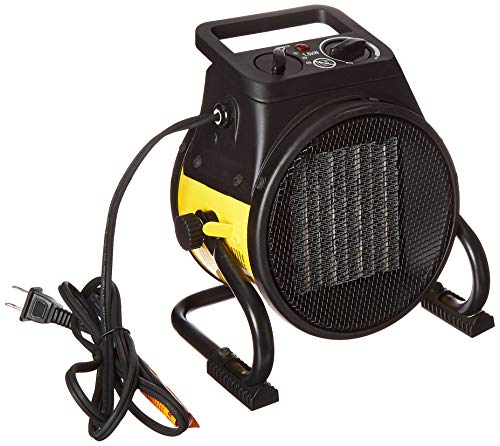
The Dura Heat EUH1465 Is A Forced-Air Portable Heater That Delivers Quick Warmth Using A 1500W PTC Ceramic Element. Its Pivoting Base And Durable Steel Construction Make It Suitable For Garages, Workshops, And Commercial Spaces Where Directed Hot Air Is Needed.
- Powerful Forced Air: 1500W PTC Ceramic Heating For Rapid Warm-Up In Small To Medium Areas.
- Rugged Construction: Steel Body Designed For Tough Environments.
- Versatile Modes: Heat And Fan-Only Settings Allow Use As A Space Heater Or Air Circulator.
Intended Use: Best For Spaces Where Robust Build And Directed Hot Air Are Priorities. The forced-air design moves warm air fast, which is useful for work areas but can be noisier than fan-less alternatives.
Dreo Space Heater 25″ Fast Electric Heater With Remote

This 25″ Tower Heater Uses An Upgraded Ceramic System And An Extended Impeller To Provide Faster And Farther Heat Distribution. It Emphasizes Quiet Operation And Multiple Safety Protections, Including Tip-Over And Overheat Sensors, And A Child Lock.
Call 888-896-7031 for Free Local HVAC Quotes – Compare and Save Today!
- High Airflow: 11.5 Ft/S Fast Heat Delivery For Larger Rooms.
- Safety Features: ETL-Certified Tip-Over And Overheat Protection, Flame-Retardant Materials.
- Low Noise: Airflow Design To Reduce Sound Levels For Bedrooms And Offices.
Intended Use: Suited For Living Rooms And Bedrooms Where Quiet, Even Distribution And Remote/thermostat Control Enhance comfort. The tower format is space-efficient and tuned for indoor living areas.
Dreo Portable Electric Heater With Thermostat And Remote

This Dreo Model Focuses On Precise Temperature Control With A Digital Display And NTC Chipset For 1℉ Increments, Combined With A 1500W PTC Ceramic Element And Multiple Safety Protections.
- Advanced Thermostat: Wide Setpoint Range With Fine 1℉ Adjustment For Energy Savings.
- Rapid Heat Funnel: Designed To Extend Warm Air Reach Compared To Traditional Heaters.
- Safety Suite: Tilt Detection, Overheat Protection, Flame-Retardant Materials, ETL Certification.
Intended Use: Best For Users Who Want Precise Climate Control In Bedrooms Or Home Offices. The timer and remote add convenience for scheduled use and energy management.
ENVI Plug-in Electric Panel Wall Heater Fan-less Design
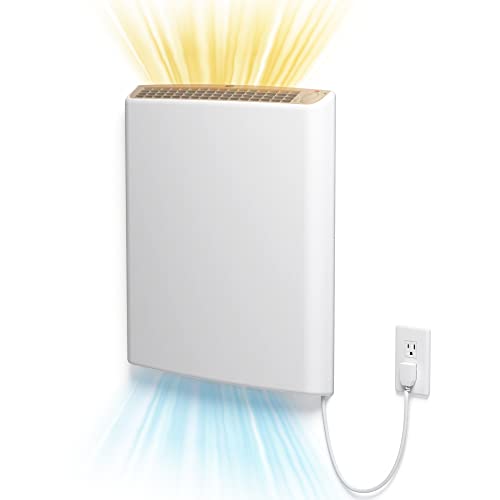
The ENVI Panel Is A Fan-less Wall Heater Designed For Continuous Low-Wattage Use. It Operates Quietly Using Convection And Focuses On Safety, Allergy-Friendly Operation, And Simple Installation For Zoned Heating.
Call 888-896-7031 for Free Local HVAC Quotes – Compare and Save Today!
- Efficient Low-Wattage Heat: Intended For Targeted, Supplemental Heating And 24/7 Operation.
- Quiet Fan-less Design: Stack Convection Provides Gentle Warmth Without Blowing Dust.
- Safety Sensor: Wall-Sense Sensor Cuts Power If Removed; Cool Surface Operation Around 90°F.
Intended Use: Ideal For Bedrooms, Nurseries, Or Allergy-Sensitive Spaces Where Silent, Continuous Warmth And Minimal Air Movement Are Priorities. The wall-mount design is best for long-term localized heating.
Comfort Zone CZ35E Indoor Portable Fan-Forced Heater
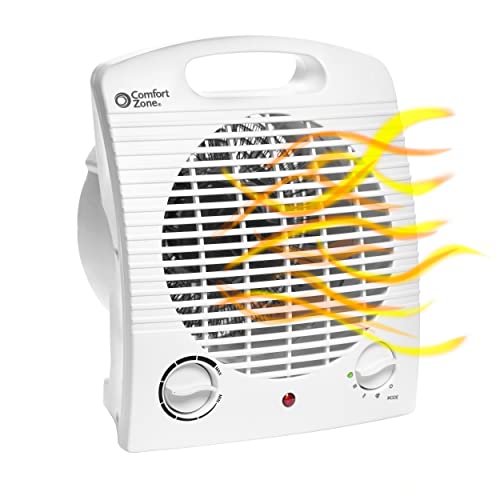
The Comfort Zone CZ35E Is A Compact Fan-Forced Heater With Two Power Settings And An Adjustable Thermostat. It Emphasizes Energy Efficiency And Safety With Overheat And Tip-Over Protections.
- Dual Power Settings: 600W And 1500W Options To Match Room Needs.
- Energy-Saving Design: Improved Efficiency Compared To Prior Models.
- Safety Features: Overheat Sensor, Tip-Over Switch, And Stay-Cool Housing.
Intended Use: Suited For Small Rooms And Temporary Spot Heating Near Desks Or Beds. The compact footprint And manual thermostat Make It Simple To Use In Tight Spaces.
Buying Guide: How To Choose An Electric Air Heater
Selecting The Right Electric Air Heater Requires Balancing Heating Performance, Safety, Energy Use, And Installation Type. The Sections Below Cover Key Considerations And Comparison Perspectives That Will Affect Long-Term Satisfaction.
Room Size And Heating Capacity
Estimate The Square Footage You Need To Heat. A Typical 1500W Electric Heater Covers Approximately 100–150 Square Feet For Supplemental Heat, But airflow design and insulation affect real results. Forced-air units move warm air quickly; panel heaters provide steady, lower-temperature warmth better for continuous use.
Type Of Heater: Forced-Air, Ceramic Tower, Or Wall Panel
- Forced-Air Portable: Provides rapid, directed warmth ideal for garages and workshops. Often louder and best for intermittent use.
- Ceramic Tower/Portable: Balances warm-air distribution with reduced noise. Good for living rooms and bedrooms.
- Wall Panel/Fan-less: Quiet, continuous convection heat that avoids blowing dust—excellent for bedrooms, nurseries, and allergy-sensitive spaces.
Safety Features
Prioritize Tip-Over Protection, Overheat Shutoff, Certified Materials, And Any Built-In Child Locks. For Permanent Installations, wall-sense sensors and cool-surface ratings can add long-term safety. Certification (ETL/UL) indicates adherence to recognized safety standards.
Noise And Air Movement
Consider Noise Level If The Heater Will Run In Bedrooms Or Offices. Fan-less panel heaters are silent but take longer to change room temperature. Tower and forced-air heaters provide faster warmth but can be noisier.
Energy Use And Controls
Look For Adjustable Thermostats, Timers, And Precise Temperature Controls To Avoid Wasteful Operation. Models With Multiple Power Modes (e.g., 600/1500W) Allow Lower-Energy Operation. Digital thermostats with narrow setpoint increments can reduce runtime and save energy.
Placement, Installation, And Portability
- Portable Units: Offer flexibility for spot heating and can move between rooms.
- Wall-Mounted Panels: Require minimal clutter and provide continuous localized heat; consider room layout and electrical access before choosing.
- Durable Build: Metal housings withstand workshop use; plastic housings are lighter for home use.
Allergy And Air Quality Considerations
Fan-forced heaters circulate air and dust, which may affect allergy sufferers. Fan-less convection panels minimize airflow, reducing dust circulation and maintaining humidity levels better than forced-air devices.
Safety For Specific Users
Homes With Children, Seniors, Or Pets Benefit From Cool-Touch Surfaces, Wall-Sense Cutoffs, And Tip-Over Protections. Child locks and tamper-resistant plugs add further safeguards.
Durability And Intended Environment
Choose steel-bodied forced-air units for garages or job sites. For living spaces, prioritize aesthetics, low noise, and user-friendly controls. Consider IP ratings or reinforced plugs if installation near moisture is possible.
Comparison Perspectives
- Performance vs. Noise: Fast-warmth models trade quiet operation for airflow and noise.
- Speed vs. Comfort: Forced-air units heat quickly for short use; panel heaters provide gentle, steady warmth for continuous comfort.
- Upfront Cost vs. Operating Cost: Lower wattage or precise thermostats can reduce runtime and energy bills even if initial price is higher.
Maintenance And Warranty
Check For Easy-Clean Grilles And Replaceable Parts. Warranty Length And Customer Support Channels Are Useful For Long-Term Peace Of Mind, Especially For Continuous-Use Models.
Using These Criteria Helps Narrow Options Between Portable Forced-Air Solutions Like The Dura Heat For Workshops, Tower Ceramic Units Like The Dreo Models For Quiet, Even Heating, And Wall Panel Units Like ENVI For Silent, Continuous Use.
Tips for Getting the Best HVAC Prices
- Prioritize Quality Over Cost
The most critical factor in any HVAC project is the quality of the installation. Don’t compromise on contractor expertise just to save money. - Check for Rebates
Always research current rebates and incentives — they can significantly reduce your overall cost. - Compare Multiple Quotes
Request at least three estimates before making your choice. You can click here to get three free quotes from local professionals. These quotes include available rebates and tax credits and automatically exclude unqualified contractors. - Negotiate Smartly
Once you've chosen a contractor, use the proven strategies from our guide — How Homeowners Can Negotiate with HVAC Dealers — to get the best possible final price.