
Finding the right electric camping heater depends on power source, portability, safety, and intended use. Below is a concise comparison table of selected models chosen for their relevance to camping, travel, tent use, or small-space heating needs.
| Product | Type | Power / Output | Key Feature |
|---|---|---|---|
| Lerat Electric Space Heater (Mini) | Ceramic Space Heater | 500W | Compact, fast PTC heating, tilt & overheat protection |
| GiveBest Portable Electric Space Heater | Ceramic Fan Heater | 1500W / 750W | Thermostat, multi-safety protections, 2-in-1 fan |
| Remington 1500W Heavy-Duty Electric Heater | Portable Electric Space Heater | 1500W | Two heat settings, adjustable thermostat, jobsite-ready |
| Amazon Basics Ceramic Space Heater (Mini) | Ceramic Space Heater | 500W | Lightweight, fast heating for desk/tent interior |
| Diximus Immersion Water Heater (300W) | Immersion Water Heater | 300W (dual voltage) | Boiling water for hot drinks, compact travel unit |
Content Navigation
- Lerat Electric Space Heater, Small Heater For Indoor Use
- GiveBest Portable Electric Space Heater, 1500W/750W Ceramic Heater
- Remington 1500W Heavy-Duty Electric Heater (REM-222A-120)
- Amazon Basics Ceramic Space Heater, Mini Heater For Office Desk
- Immersion Water Heater Electric Camping Accessories – 300W
- Buying Guide: Choosing An Electric Camping Heater
Lerat Electric Space Heater, Small Heater For Indoor Use

The Lerat mini heater is a 500W PTC ceramic unit designed for quick, personal heating. Its compact size (4.72 x 5.69 x 3.5 inches) makes it easy to pack for camping trips where AC power or shore power is available.
Key listed features include high heating efficiency — ceramic coils heat in under three seconds — and a one-touch temperature setting at 500W. The unit emphasizes overheat protection and tip-over safety via automatic shutoff if tilted, using ABS flame-retardant material for the housing.
Practical uses: warming a small tent interior, personal desk or bedside space in an RV, or a vestibule when connected to a safe power source. Limitations are inherent with 500W output: it is best suited for small enclosed spaces with doors and windows closed to retain heat.
GiveBest Portable Electric Space Heater, 1500W/750W Ceramic Heater

Call 888-896-7031 for Free Local HVAC Quotes – Compare and Save Today!
GiveBest offers a higher-output ceramic heater with two heat levels (1500W and 750W) plus a cool fan mode. The built-in thermostat helps maintain a set temperature and reduces runtime in moderate conditions.
Features from the listing highlight a multi-protection safety system: flame-retardant materials, automatic overheat shutoff, and tip-over protection with automatic restart when upright. The handle and compact form are intended for portability between tent, RV, and indoor spaces.
Performance notes: 1500W can heat larger small rooms or insulated tents faster than 500W units. Electrical requirement and circuit load should be considered when running 1500W from generators, RV power, or campsite outlets to avoid overload.
Remington 1500W Heavy-Duty Electric Heater (REM-222A-120)

The Remington heavy-duty heater is positioned for garages, workshops, and jobsites, offering two heat settings and an adjustable thermostat. Although marketed for indoor work areas, its robust build suits RVs and large tents with adequate power.
Product features indicate rapid heating capability, coverage up to around 165 sq ft under certain conditions, and a focus on durability for repeated use. The adjustable thermostat provides control over runtime and comfort level.
Call 888-896-7031 for Free Local HVAC Quotes – Compare and Save Today!
Considerations: While sturdy, the Remington is larger and heavier than travel-specific heaters. It is more applicable when camp setups have reliable AC power, such as hookups, inverter systems, or shore power at RV sites.
Amazon Basics Ceramic Space Heater, Mini Heater For Office Desk

The Amazon Basics mini ceramic heater is a lightweight, 500W unit intended for small spaces like desks, tents, and compact RV interiors. The unit measures under 6 inches in height and weighs about 1.4 lbs, emphasizing portability.
Its features include fast, efficient ceramic coil heating and tip-over protection. Compact shape enables placement on stable surfaces inside tents or vestibules when used with safe, reliable power sources.
Limitations: As a 500W device, it performs best in tightly enclosed, insulated spaces. It is useful as a personal heater rather than for heating large tent volumes or open-air campsites.
Immersion Water Heater Electric Camping Accessories – 300W
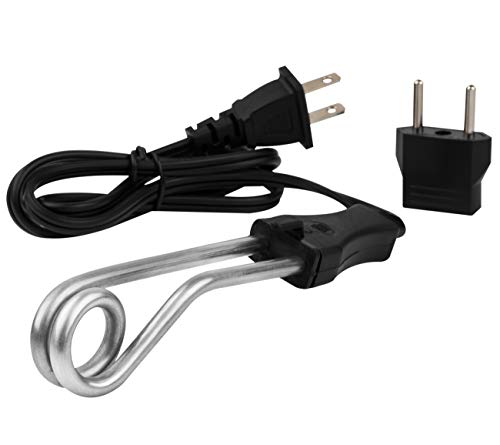
This 300W immersion heater is a travel-oriented accessory for quickly heating water for tea, coffee, or small dishwashing tasks while camping. It is not an air heater but is relevant to electric camping heating needs for hot water.
Key features from the listing include rapid boiling at 110V and higher power at 220-240V, dual-voltage compatibility for international travel, and instructions emphasizing safety (keep hands away, monitor while in use). The product is compact and includes a travel pouch and adapter for overseas outlets.
Use cases: heating beverage water in a mug or small pot when no boiler or camp stove is available. It is unsuitable for warming air or large volumes of water and requires careful user attention for safe operation.
Buying Guide: Choosing An Electric Camping Heater
When selecting an electric camping heater, focus on power source, safety, portability, and thermal performance. The following considerations help compare options across multiple perspectives.
Power Source And Compatibility
- AC Power vs. Battery/Inverter: Most electric heaters require AC mains (110–120V). Ensure campsite hookups, RV shore power, or an inverter/generator can supply the heater’s wattage.
- Wattage And Circuit Load: Small heaters (≈500W) draw less current and are safer on limited circuits. Higher-output models (1500W) heat faster but need capable power sources and may trip breakers if used with other appliances.
- Generator Use: Use inverter generators with clean sine wave output for fan motors and electronic controls to avoid damage and ensure stable operation.
Heating Method And Efficiency
- Ceramic / PTC Heaters: Provide fast convective heat, often compact and efficient for small enclosed spaces. Good for personal heating inside tents with proper ventilation and insulation.
- Fan-Forced vs Radiant: Fan heaters distribute warm air faster; radiant heaters heat objects and people directly. For camping in confined tent spaces, fan-driven ceramic units typically warm the air quicker.
- Output vs Space Size: Match wattage to tent volume and insulation: 500W for small, well-insulated tents; 1500W better for larger or poorly insulated spaces (with suitable power).
Safety Features
- Tip-Over Protection: Automatic shutdown if the heater tilts — essential in tents and uneven ground.
- Overheat Shutoff: Prevents internal temperatures from reaching unsafe levels during prolonged use.
- Housing Material & Flame Resistance: Look for flame-retardant ABS or metal housings and certifications where available.
- Ventilation & CO Risk: Electric heaters don’t produce carbon monoxide, but any enclosed space requires proper ventilation for occupant comfort and moisture management.
Portability And Build
- Weight & Footprint: Mini 500W units are lightweight and packable; heavy-duty 1500W models offer higher output but are bulkier.
- Handle & Mounting: Integrated handles help move units; stable base reduces tip risk in tents and on uneven surfaces.
- Durability: For repeated outdoor use, choose robust units designed for jobsite or workshop conditions.
Intended Use Cases
- Personal Warmth In A Tent: Small ceramic heaters (500W) are effective for personal comfort in small tents or as a supplemental heat source in RV vestibules.
- Large Camper Or Insulated RV: 1500W units or built-in HVAC systems are preferable for whole-camper warming when power is available.
- Hot Water Needs: Immersion heaters are useful for heating beverage water or small buckets, but they do not replace air heaters.
Electrical Safety And Camping Setup
- GFCI Protection: Use GFCI-protected outlets for wet environments or when using immersion devices.
- Circuit Management: Avoid running multiple high-draw appliances on the same circuit or generator output to prevent overloads.
- Manufacturer Instructions: Follow all warnings, spacing requirements, and usage limits listed by the manufacturer to reduce fire and injury risk.
Comparison Perspectives
- Efficiency vs Portability: Mini 500W units rank high on portability but lower on total heat output. 1500W heaters produce more heat but require stronger power sources and are less travel-friendly.
- Task-Specific Tools: Use immersion heaters for hot water tasks instead of air warming. Selecting a device that matches the primary need (air warmth vs hot water) avoids underperformance.
- Safety Trade-Offs: Higher power increases heat and risk; models with multiple safety features mitigate these concerns but require correct setup and monitoring.
Practical Tips For Use In Tents And RVs
- Insulate The Space: Close vents and use ground pads or reflectors to retain heat; a smaller heated volume is more efficient.
- Stable Placement: Place heaters on flat, non-flammable surfaces and away from fabrics or gear.
- Monitor Power Source: Check generator or RV battery/inverter capacity and avoid running heaters on low reserves.
- Use Timers Or Thermostats: Thermostats help maintain stable temperatures and conserve energy on limited power sources.
Use the details and comparisons above to match a heater to your campsite power availability, the size of your tent or RV, and the type of heating you need. Each product listed brings specific strengths: compact portability, higher output performance, or water-heating utility — choose based on your primary camping requirements and safety constraints.
Tips for Getting the Best HVAC Prices
- Prioritize Quality Over Cost
The most critical factor in any HVAC project is the quality of the installation. Don’t compromise on contractor expertise just to save money. - Check for Rebates
Always research current rebates and incentives — they can significantly reduce your overall cost. - Compare Multiple Quotes
Request at least three estimates before making your choice. You can click here to get three free quotes from local professionals. These quotes include available rebates and tax credits and automatically exclude unqualified contractors. - Negotiate Smartly
Once you've chosen a contractor, use the proven strategies from our guide — How Homeowners Can Negotiate with HVAC Dealers — to get the best possible final price.