
Overview: This guide compares reliable electric heaters and packaged AC/heater units suited for bedrooms, offices, and small commercial spaces. Below is a summary table of the five selected models and their core features to help you compare at a glance.
| Product | Type | Key Features |
|---|---|---|
| Dreo Smart Wall Heater WH719S | Wall-Mounted Electric Space Heater | 120° Oscillation, Smart App, 1°F Temp Control |
| Heat Storm HS-1500-PHX-WIFI | Wi‑Fi Infrared Wall Heater | Wi‑Fi Control, Touchscreen Thermostat, Remote |
| ENVI Plug-in Electric Panel Wall Heater | Low-Wattage Plug-in Wall Heater | Fan-less Quiet Design, Wall-Sense Safety, 24/7 Use |
| Cooper & Hunter PTAC 12,000 BTU | Packaged Terminal AC & Electric Heater | 12,000 BTU Cooling, Built-In 3.5kW Electric Heater, Smart Kit |
| Klimaire PTAC 15,000 BTU Heat Pump | PTAC Heat Pump With Electric Aux Heat | 15,000 BTU, R-32, 3.5 kW Electric Auxiliary Heater |
Content Navigation
Dreo Smart Wall Heater WH719S

Type: Wall-mounted PTC ceramic electric space heater designed for indoor rooms such as bedrooms and offices.
Features: The WH719S offers 120° wide oscillation for top-to-bottom heat distribution, a smart control ecosystem including app access and voice control with Alexa/Google Home, and precise temperature control between 41–95°F with 1°F increments.
Performance Notes: The PTC ceramic element provides rapid warm-up and steady output. Wide oscillation helps address vertical heat stratification in rooms where floor and ceiling temperatures differ.
Use Cases: Suitable for homeowners seeking a wall-mounted device with remote/smart capability to integrate into daily schedules. The accurate thermostat benefits rooms where maintaining a specific temperature matters.
Call 888-896-7031 for Free Local HVAC Quotes – Compare and Save Today!
Heat Storm HS-1500-PHX-WIFI Infrared Heater

Type: Wall-mounted infrared heater with Wi‑Fi connectivity and touchscreen control.
Features: Wi‑Fi enabled for phone control, digital touchscreen thermostat, included remote, and space-saving wall-mount design. Tip-over safety shutoff is listed (primarily relevant for portable models but noted by manufacturer).
Performance Notes: Infrared heating warms objects and people directly rather than heating air first, providing a comfortable perceived warmth in occupied zones. The wall-mount approach preserves floor space.
Use Cases: Good for rooms where direct radiant warmth is preferred and for users who want smartphone control without complex installation. The touchscreen and remote add convenience for local adjustments.
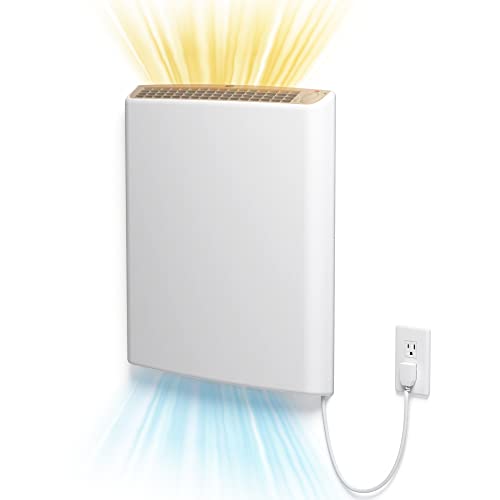
ENVI Plug-in Electric Panel Wall Heater
Call 888-896-7031 for Free Local HVAC Quotes – Compare and Save Today!
Type: Low-wattage, plug-in panel heater with fan-less convection design for continuous background heating.
Features: Energy-efficient low-wattage operation, patented fan-less Stack Convection for silent warmth, wall-sense safety that cuts power if removed, and operation around a cool 90°F surface temperature.
Performance Notes: The silent, gentle heat is suitable for 24/7 operation to maintain background comfort and reduce cycling of central systems. Fan-less design reduces dust circulation and noise.
Use Cases: Ideal for bedrooms, nurseries, or allergy-sensitive environments where quiet, low-temperature, continuous heating is desired. The plug-in design eases installation compared with hardwired wall heaters.
Cooper & Hunter 12,000 BTU PTAC With Electric Heater

Type: Packaged Terminal Air Conditioner (PTAC) with built-in electric heater and wireless smart kit.
Features: 12,000 BTU cooling, heating capacity listed alongside a 3.5 kW built-in electric heater, compatibility with 230/208V, R-32 refrigerant, and included wireless smart kit, remote, and power cord.
Performance Notes: PTAC units integrate both cooling and electric resistance heating in a single slide-in chassis, suitable for retrofitting into existing wall sleeves. They provide room-level HVAC control where central systems are impractical.
Use Cases: Common in hotels, apartments, and commercial spaces where independent zone control is needed. Verify electrical receptacle and wall sleeve requirements for installation.
Klimaire PTAC 15,000 BTU Heat Pump With Auxiliary Heat

Type: PTAC heat pump rated around 15,000 BTU with auxiliary 3.5 kW electric heating and R-32 refrigerant.
Features: Designed for compatibility with standard 42″ x 16″ wall sleeves, EER 10.6 efficiency, heat pump heating capacity and 3.5 kW electric auxiliary heat. Includes wireless remote and 20A plug.
Performance Notes: Heat pump operation provides more efficient heating than pure electric resistance when outdoor temperatures are moderate. Auxiliary electric heat supplements performance during very cold conditions.
Use Cases: Suitable for replacements of older PTAC units in multifamily or hospitality settings where improved efficiency and R-32 refrigerant compatibility are desired.
Buying Guide: How To Choose Between Electric Heaters And Electric AC Units
Define Your Heating Need: Identify whether you need spot heating (single-person comfort), whole-room background heating, or full heating and cooling for a room or suite. Spot and background heaters are typically smaller electric units; PTAC or heat pump systems address both cooling and heating needs.
Heat Delivery Method: Convection heaters (panel, ceramic, PTC) warm the air and circulate it; they are good for evenly raising room temperature. Radiant/Infrared heaters warm objects and people directly and feel effective quickly in occupied zones. Choose based on whether you want general room warmth or targeted radiant comfort.
Energy Efficiency: Heat pumps and PTAC heat pump models offer higher seasonal efficiency for heating compared to pure electric resistance. For electric-only heaters, look for features that reduce runtime such as precise thermostats, ECO modes, or smart scheduling.
Control Options: Remote control, onboard touchscreens, and Wi‑Fi/app control improve convenience and can reduce energy use through scheduling. Integrations with voice assistants add hands-free control if you use a smart home ecosystem.
Installation And Space Constraints: Portable plug-in or wall-mounted heaters require minimal installation. PTAC units require an appropriate wall sleeve, electrical configuration (verify 208/230V compatibility), and potentially professional installation.
Noise And Air Quality: Fan-less panel heaters are virtually silent and reduce dust circulation, beneficial for bedrooms and allergy sufferers. Fan-assisted units may provide quicker air mixing at the cost of higher noise and potential allergen movement.
Safety Features: Look for tip-over shutoff (portable units), overheat protection, cool-touch surfaces for panel heaters, and wall-sense cutoffs for removable models. Continuous operation models should be rated for 24/7 use if you plan always-on background heating.
Heating Capacity And Coverage: For electric space heaters, wattage (often 1500W for large rooms) is a proxy for capacity. For PTAC units, BTU ratings indicate cooling/heating capacity—match BTU to room square footage and insulation levels. Auxiliary electric heaters in PTAC systems add emergency or supplemental heat.
Operating Voltage And Electrical Requirements: Confirm your household or building electrical supply. PTACs and high-capacity electric heaters may require 230/208V circuits and specific receptacles. Installing a unit without correct electrical provisioning can limit performance or create safety issues.
Durability And Warranty: Consider manufacturer reputation, warranty duration, and availability of replacement parts or service for larger systems like PTACs. For wall-mounted consumer heaters, check for corrosion-resistant finishes and sealed electronics for humid room use.
Comparison Perspectives:
- Cost To Operate: Heat pumps are typically less expensive to run for heating than direct electric resistance when outdoor temps allow. Small electric space heaters are suitable for temporary use or targeted comfort but can be costly if used to heat large volumes for long durations.
- Comfort: Radiant heaters often feel warmer faster for occupants, while convection heaters provide more even ambient temperatures across a room.
- Installation Complexity: Plug-in and wall-mounted units usually have low installation complexity. PTAC systems require wall sleeves and potentially professional installation and electrical verification.
- Maintenance: Fan-less models require less maintenance and avoid fan and filter cleaning. PTAC units need seasonal checks and cleaning to maintain efficiency.
Practical Tips: For bedrooms, prioritize quiet, safe, and precise thermostat control. For multi-room or year-round climate control, choose a PTAC heat pump or a combined AC/heater solution sized correctly for the space. Use smart scheduling to preheat spaces and reduce overall energy consumption.
Tips for Getting the Best HVAC Prices
- Prioritize Quality Over Cost
The most critical factor in any HVAC project is the quality of the installation. Don’t compromise on contractor expertise just to save money. - Check for Rebates
Always research current rebates and incentives — they can significantly reduce your overall cost. - Compare Multiple Quotes
Request at least three estimates before making your choice. You can click here to get three free quotes from local professionals. These quotes include available rebates and tax credits and automatically exclude unqualified contractors. - Negotiate Smartly
Once you've chosen a contractor, use the proven strategies from our guide — How Homeowners Can Negotiate with HVAC Dealers — to get the best possible final price.