
Finding the right wall-mounted electric heater for a bathroom requires balancing safety, moisture resistance, and heating performance. The table below summarizes five wall heater models selected for bathroom use or versatile wall mounting. Each product section that follows highlights the model’s key features and installation or control notes.
| Product | Type | Key Features | Best For |
|---|---|---|---|
| Cadet Com-Pak CSC151TW | Hardwired Wall Heater | 1500W, built-in thermostat, compact | Standard bathroom wall/ceiling replacements |
| Dreo Wall Heater for Bathroom | Plug-In Smart Heater | ALCI plug, PTC ceramic, oscillation, smart controls | Bathrooms needing smart scheduling and extra safety |
| Heat Storm HS-1500-PHX-WIFI | Infrared Wi‑Fi Wall-Mounted | Wi‑Fi control, infrared heating, remote, touchscreen | Users wanting app control and directional heat |
| Cadet Com-Pak CSC202TW | Hardwired Wall Heater | 2000/1500W selectable, fan-forced, thermostat | Larger bathrooms or adaptable voltage needs |
| ENVI Plug-in Electric Panel Heater | Plug-In Low-Wattage Panel | Fan-less convection, wall-sense safety sensor, quiet | Continuous low-temp heating and allergy-friendly |
Content Navigation
Cadet Com-Pak Electric Wall Heater CSC151TW

The Cadet Com-Pak CSC151TW is a compact, hardwired wall heater rated at 1500 watts / 120 volts with a built-in thermostat. The product listing highlights a complete unit with thermostat and a white grille suited to residential installation. The model is designed for fast heating and is commonly used in bathrooms, small bedrooms, or hallways.
Key listed features include the complete unit with thermostat and a design intended for standard wall or ceiling mounting where appropriate. Installation typically requires a dedicated circuit and adherence to local electrical and bathroom code requirements for wet locations. This model’s compact footprint suits recessed or surface-mounted installations that preserve bathroom floor space.
Safety and operation notes: this is a hardwired electric unit without a plug; follow manufacturer wiring diagrams and consult a licensed electrician for bathroom installations and code compliance.
Dreo Wall Heater For Bathroom With ALCI Plug

Call 888-896-7031 for Free Local HVAC Quotes – Compare and Save Today!
The Dreo Wall Heater is a plug-in space heater marketed for bathrooms and indoor spaces. Its listing emphasizes safety upgrades such as an ALCI anti-leakage plug that cuts power on ground-fault conditions, plus internal and environmental overheat protection.
Heating performance is delivered by PTC ceramic elements with an impeller design and adjustable vertical oscillation (60°, 90°, 120°) to distribute heat. The unit includes an adjustable thermostat, a 24-hour timer, and supports voice and app control through Alexa and Google Home.
Relevant bathroom considerations: the ALCI plug addresses ground-fault risk at the receptacle, making the unit a safer plug-in option for bathrooms where local codes permit plug-in heaters. For permanent or built-in wall installations, hardwired units may be required by code.
Heat Storm HS-1500-PHX-WIFI Infrared Wall Heater

The Heat Storm HS-1500-PHX-WIFI is a wifi-enabled infrared wall-mounted heater designed to save floor space and provide directional warmth. The product listing calls out remote and touchscreen controls and a digital thermostat.
Key features include Wi‑Fi control for smartphone operation, tip-over safety shutoff (relevant mainly for portable units), and a space-saving wall-mount design. Infrared heating warms objects and people directly rather than primarily heating air, which can feel efficient in localized bathroom setups.
Call 888-896-7031 for Free Local HVAC Quotes – Compare and Save Today!
Installation notes: this model is offered as a wall-mounted unit. Confirm suitable mounting locations away from direct water spray and follow manufacturer guidelines to meet bathroom electrical and moisture-safety requirements.
Cadet Com-Pak CSC202TW Wall Heater With Thermostat
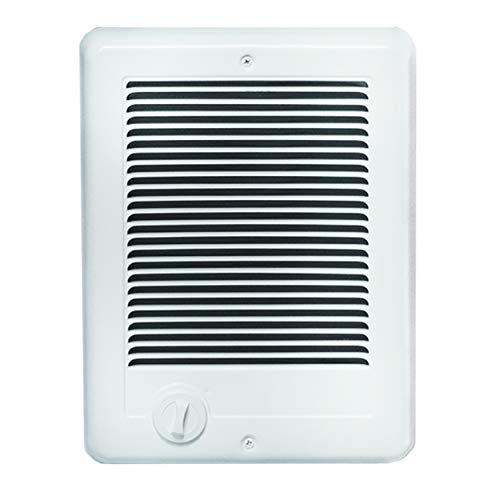
The Cadet Com-Pak CSC202TW is a fan-forced wall heater listed with selectable wattages (2000/1500W) and dual voltage options (240/208V). The listing highlights fast heating and an efficient, quiet fan to distribute warmth across larger areas—useful for bigger bathrooms.
Listed features emphasize fast heating capable of warming areas up to 200 sq. ft. and safety features that turn the heater off if operating temperatures are exceeded. The unit supports ceiling installation for models 1500W or less; confirm model specifications for your intended placement.
For bathrooms, this model’s higher output and fan-forced distribution may be beneficial in larger spaces, but installation must meet electrical code and moisture protection standards for fixtures used near water.
ENVI Plug-In Electric Panel Wall Heater
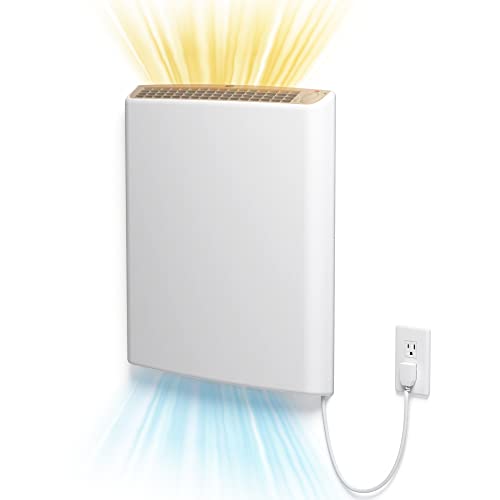
The ENVI plug-in panel heater is a low-wattage, fan-less wall-mounted panel designed for continuous, quiet operation. The listing highlights patented stack convection and a wall-sense safety sensor
Benefits cited in the features include operation at around 90°F surface temperature, minimal dust blowing due to the fan-less design, and suitability for 24/7 use in homes with children, pets, or occupants with allergies. The panel is presented as an energy-efficient supplemental heater that maintains background comfort without strong air movement.
Bathroom suitability: because it is low-wattage and cool-running with safety sensor features, this panel can serve as a gentle supplemental option where local codes permit plug-in or panel heaters in bathrooms. Confirm IP/mildew ratings and mounting clearances per the manufacturer.
Buying Guide: How To Choose A Bathroom Wall Heater
Choosing the best wall heater for a bathroom involves assessing safety, electrical requirements, heating style, installation, and daily use patterns. Below are key considerations and comparison perspectives to guide selection.
Safety And Electrical Compliance
- GFCI / ALCI Protection: For plug-in models, look for an ALCI or GFCI-rated plug to reduce ground-fault risk near water sources. Hardwired units must be installed per local code with proper circuit protection.
- Mounting Location: Maintain manufacturer-recommended clearances from tubs, showers, and sinks. Avoid placing heaters where direct water spray could reach the unit.
- Overheat Protection: Prefer models with internal overheat shutoff or thermal cutouts to reduce fire risk.
Heating Performance And Coverage
- Wattage vs. Room Size: Bathroom heating demand depends on room volume and insulation. 1500W typically covers small-to-medium bathrooms; larger rooms may need higher output or supplemental heat sources.
- Infrared vs. Convection: InfraredFan-forced convection
- Thermostat And Controls: Built-in thermostats, digital controls, timers, and smart features affect comfort management and energy usage. Smart control can preheat the bathroom before use while saving energy when idle.
Installation And Wiring
- Plug-In vs. Hardwired: Plug-in units offer easy installation and portability but may be limited by bathroom code in some jurisdictions. Hardwired units provide a fixed, integrated solution requiring professional installation.
- Voltage Selection: Some models offer 120V or 240V wiring options. Verify your home’s circuit availability and choose models compatible with existing wiring or plan for new dedicated circuits.
- Mounting Type: Recessed, surface, or ceiling-mounted options affect aesthetics and clearance. Confirm that the selected model supports your preferred mounting and that wall cavities can accommodate the heater body.
Noise, Air Quality, And Maintenance
- Noise Level: Fan-forced heaters can generate motor noise; fan-less panels and infrared units are generally quieter. Consider quiet operation for early morning bathroom use.
- Allergens And Air Movement: Fans can circulate dust and allergens. Fan-less convection panels are preferable for allergy-sensitive occupants.
- Cleaning And Longevity: Check grille access for dust removal and confirm maintenance recommendations. Permanent lubrication or sealed motors reduce required maintenance.
Control Features And Convenience
- Built-In Thermostat: Enables automatic temperature control and energy savings. Front-mounted thermostats provide easy adjustment.
- Timers And Scheduling: Timers or app-based scheduling save energy by warming only when needed.
- Smart Home Integration: Wi‑Fi and voice control allow preheating and remote management; factor in setup complexity and network security.
Comparison Perspectives
- Safety-First Buyers: Prioritize ALCI/GFCI plugs, overheat protection, and wall-sense sensors. The Dreo and ENVI listings specifically highlight safety features for plug-in and panel-style units.
- Quick Localized Warmth: Infrared models like the Heat Storm provide rapid, directional heat for occupants stepping into the bathroom.
- Whole-Room Distribution: Fan-forced Cadet models distribute heat across the space and typically handle larger bathrooms when properly sized and wired.
- Noise/Allergy Concerns: Choose fan-less ENVI panels for quiet, dust-minimizing operation when continuous background warmth is desired.
Final selection should match your bathroom size, local electrical code, and preference for plug-in convenience versus a permanently installed solution. Always follow manufacturer installation instructions and consult a licensed electrician for hardwired installations or questions about local code compliance.
Tips for Getting the Best HVAC Prices
- Prioritize Quality Over Cost
The most critical factor in any HVAC project is the quality of the installation. Don’t compromise on contractor expertise just to save money. - Check for Rebates
Always research current rebates and incentives — they can significantly reduce your overall cost. - Compare Multiple Quotes
Request at least three estimates before making your choice. You can click here to get three free quotes from local professionals. These quotes include available rebates and tax credits and automatically exclude unqualified contractors. - Negotiate Smartly
Once you've chosen a contractor, use the proven strategies from our guide — How Homeowners Can Negotiate with HVAC Dealers — to get the best possible final price.